
Garage doors,done rightin Sussex.
Repair, installation, springs and openers for homes and businesses across Sussex — with a careful diagnosis first and clear options before any work begins.
A local garage door service built on getting it right the first time
Sussex Garage Door Service helps homeowners and businesses in Sussex, Wisconsin keep their garage doors safe, quiet and dependable — whether that means a quick sensor fix, a broken spring on a frozen January morning, or a brand-new door that transforms the front of your home.
Your garage door is easy to take for granted. It is also one of the largest and heaviest moving objects in your home, cycling up and down thousands of times a year on springs that store a remarkable amount of energy. When everything is in balance, you barely notice it. When something wears out, the door can become noisy, unreliable or genuinely unsafe.
That is why we approach every job the same way: understand the whole system, find the real cause, and explain your options in plain language before anything is done. A squeaky roller and a failing spring can sound similar from inside the house. A door that reverses might have a sensor problem or a balance problem. Getting the diagnosis right is what turns a repair into a lasting one.
Dependable installation, repair and maintenance matter even more here than in milder climates. Southeastern Wisconsin winters stiffen lubricants, freeze seals to the slab and push tired springs past their limit, while road salt quietly corrodes hardware all season. A door that has been properly installed, balanced and maintained handles those conditions far better — and is far less likely to fail when you need it most.
How we work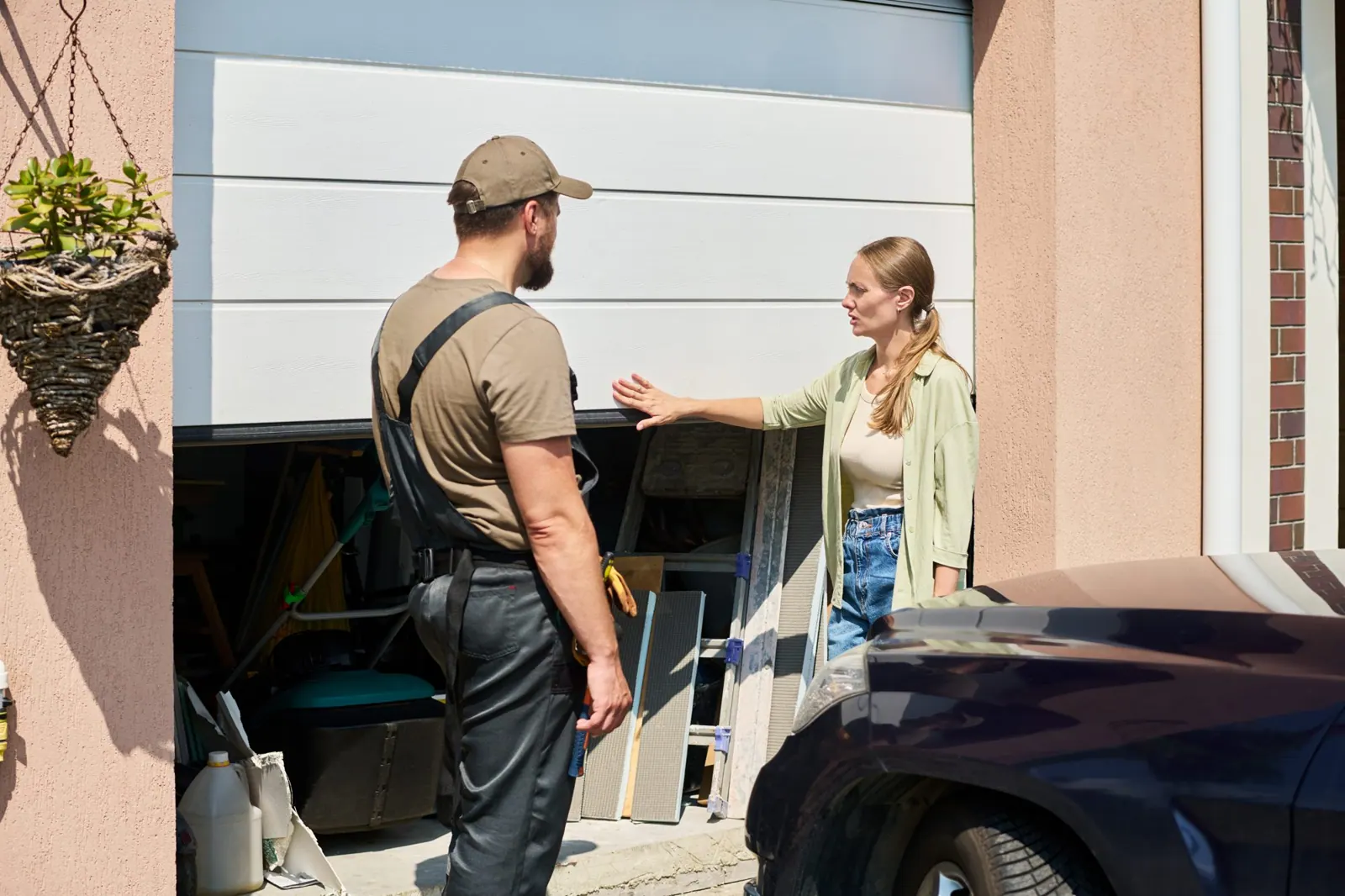
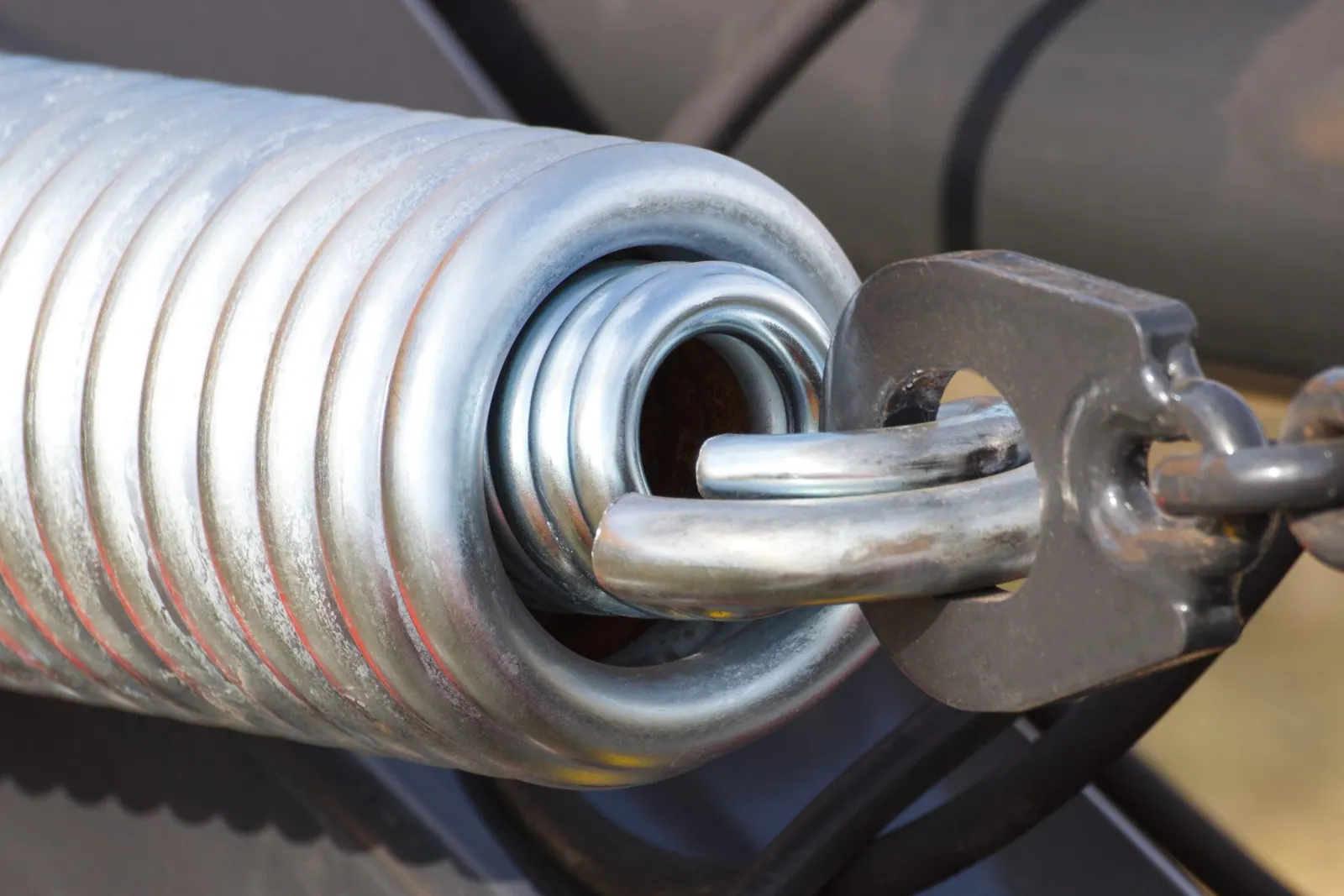
Everything that makes a garage door work — and keeps it working
From the springs that balance the door to the opener that moves it and the seals that keep winter out, we handle the full system. Each service has its own detailed guide so you can learn what’s involved before you call.
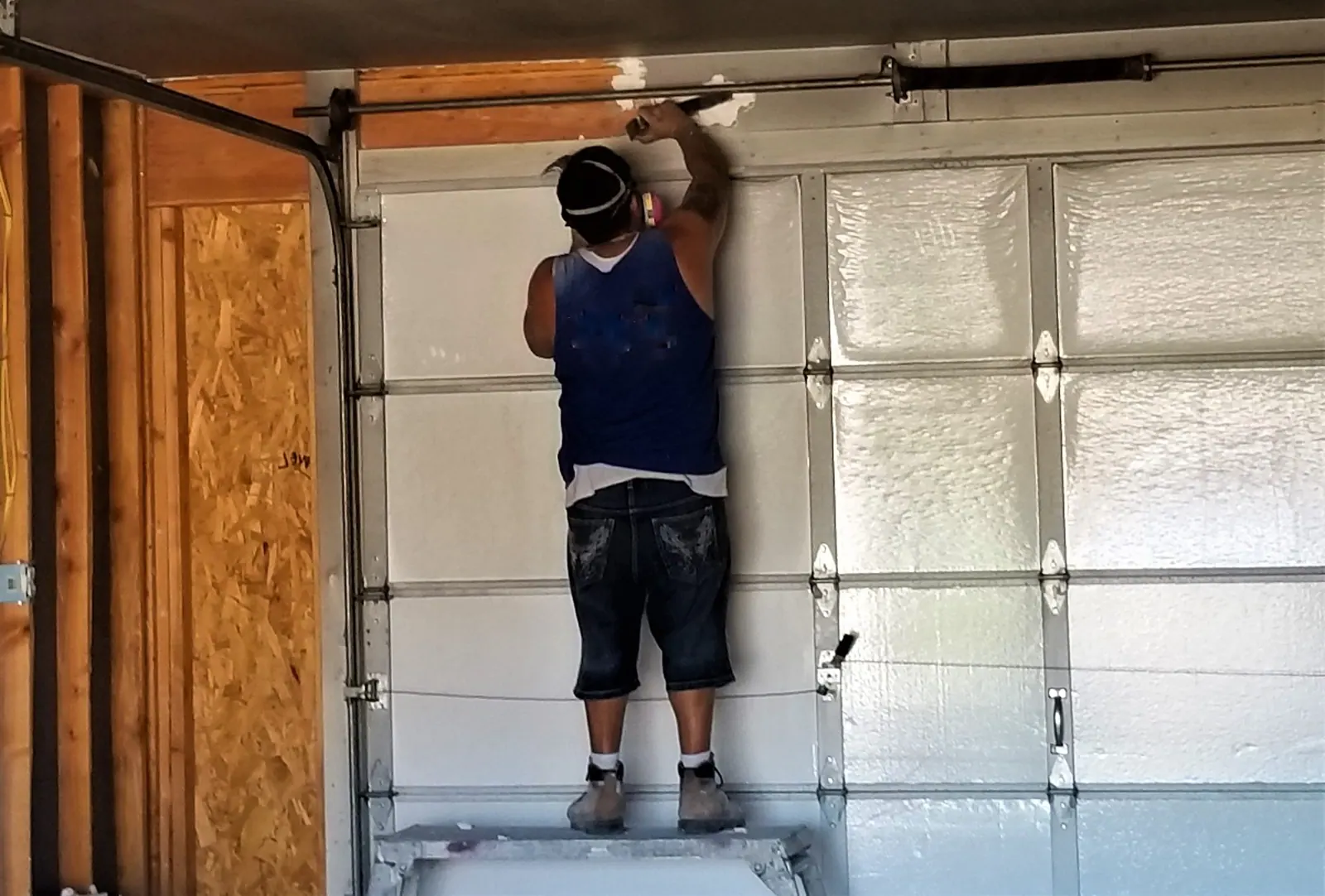 Residential Doors
Garage Door Repair
Noisy, stuck, crooked or dead doors traced to the real cause and repaired properly.
Learn more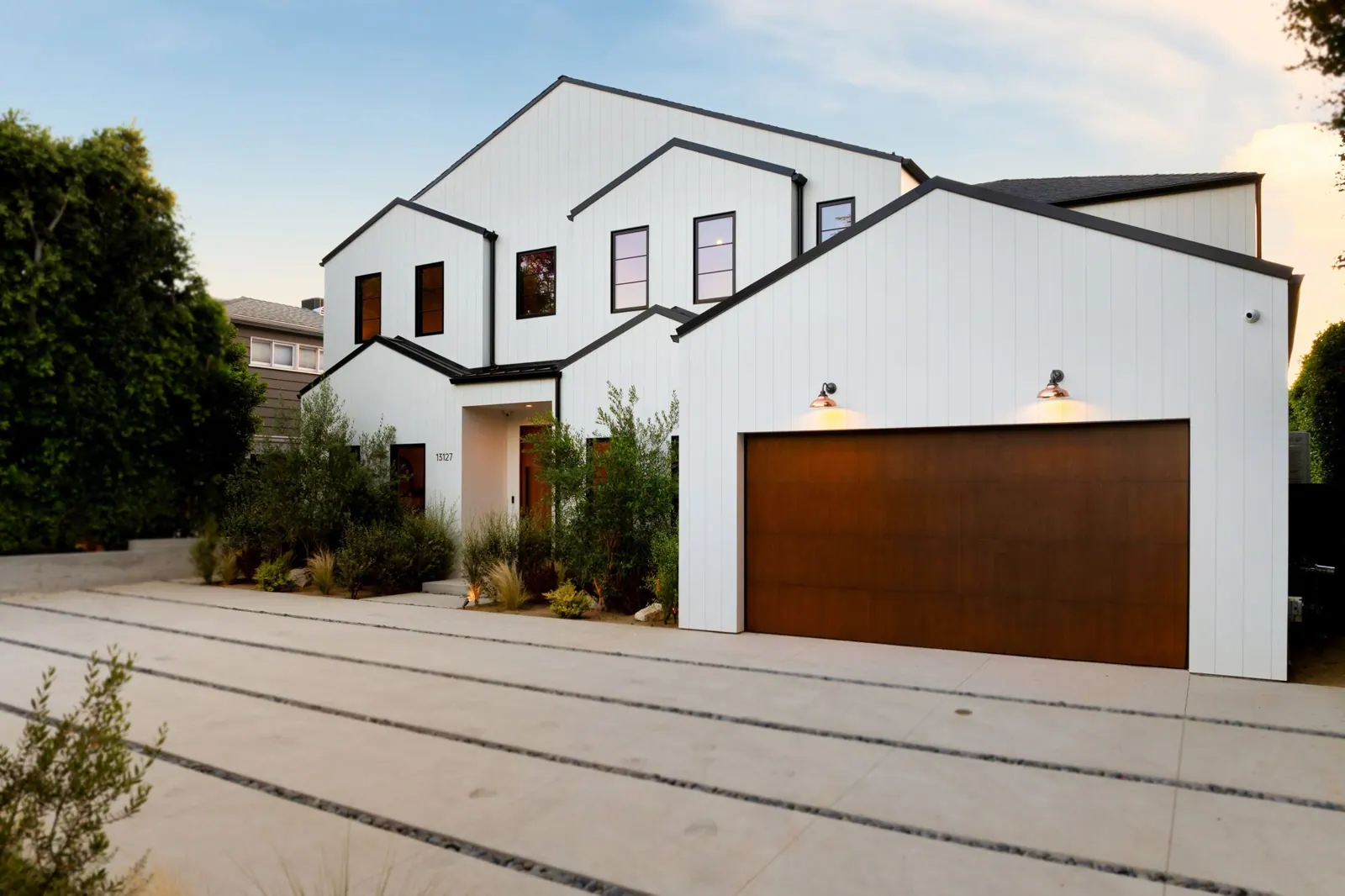 Residential Doors
Garage Door Installation
Help choosing the right door, then precise measuring, assembly, balancing and testing.
Learn moreSprings, Cables & HardwareGarage Door Spring Repair
Torsion and extension springs measured, matched and balanced to your door.
Learn more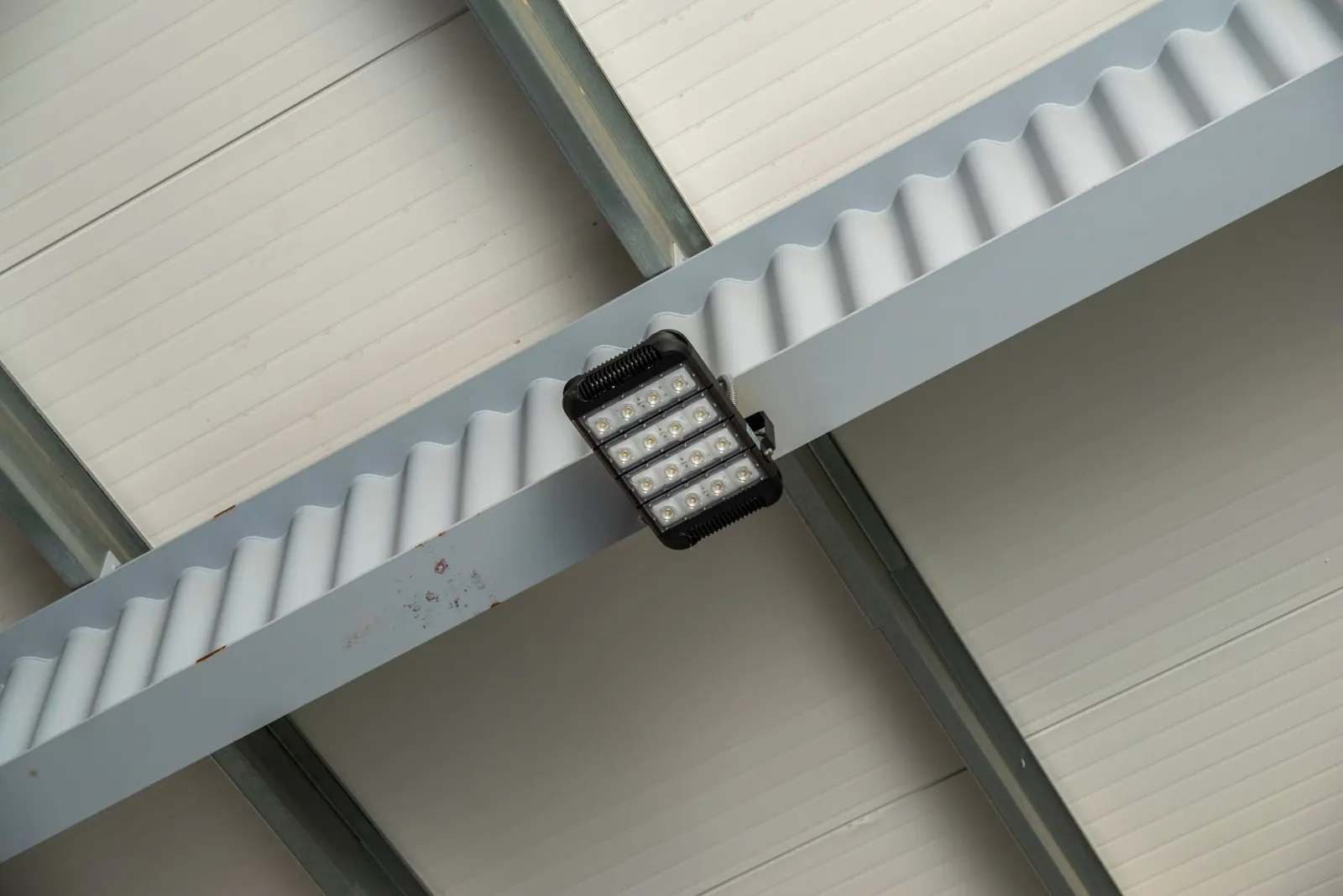 Openers & Accessories
Garage Door Opener Repair
Openers that hum, stall, reverse or ignore the remote diagnosed and repaired.
Learn more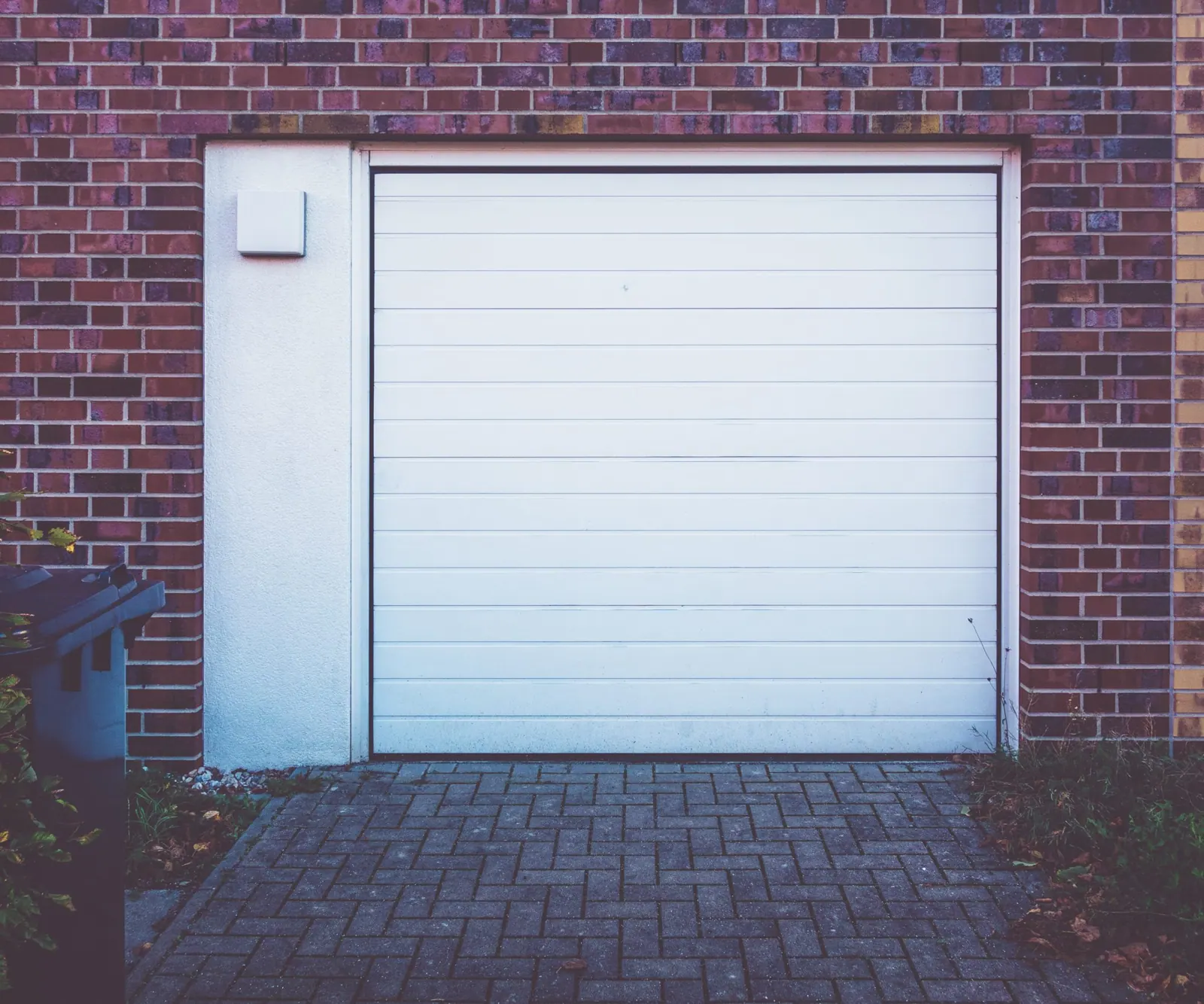 Residential Doors
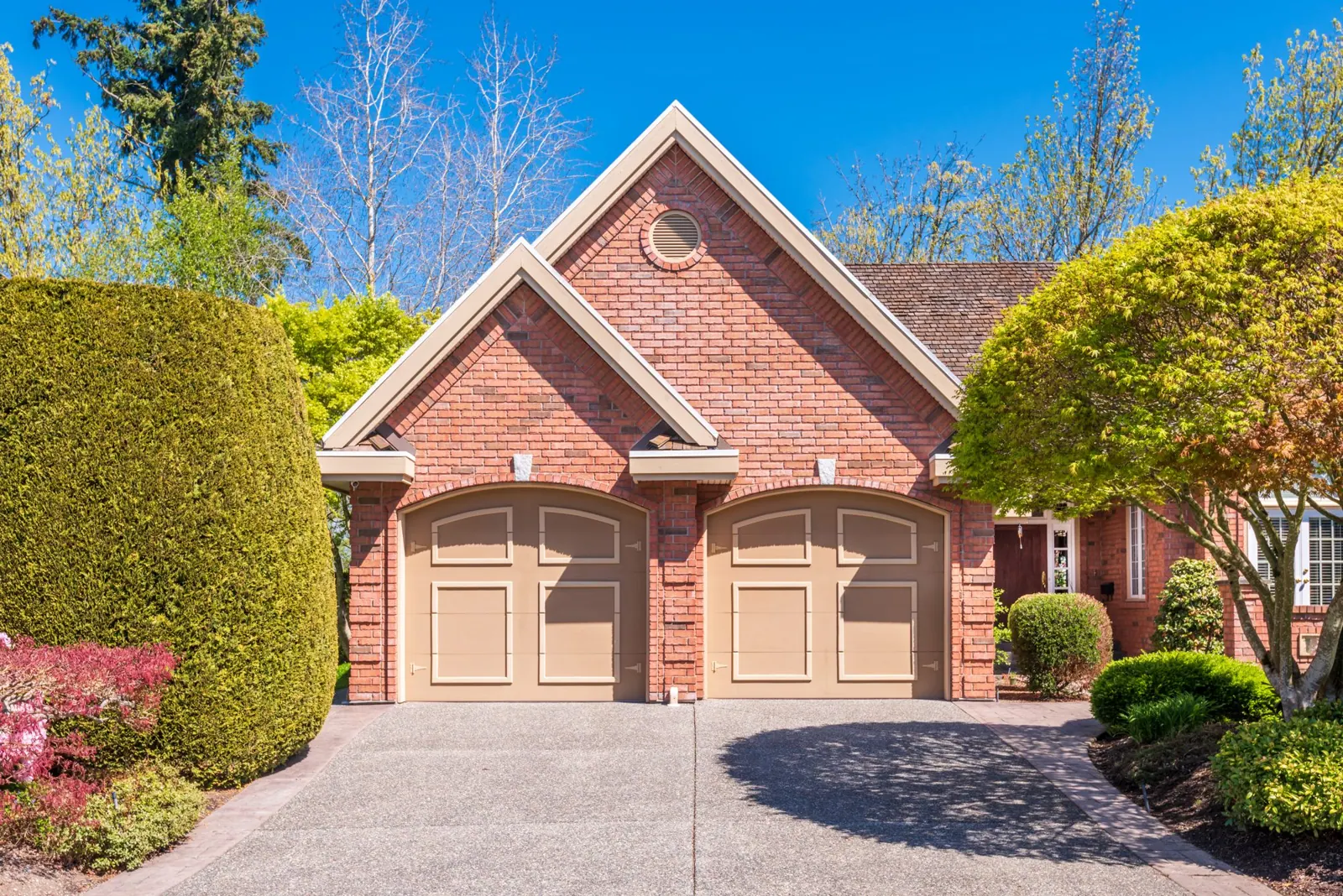
Garage Door Replacement
Swap an aging, drafty or damaged door for a quieter, better-insulated upgrade.
Learn more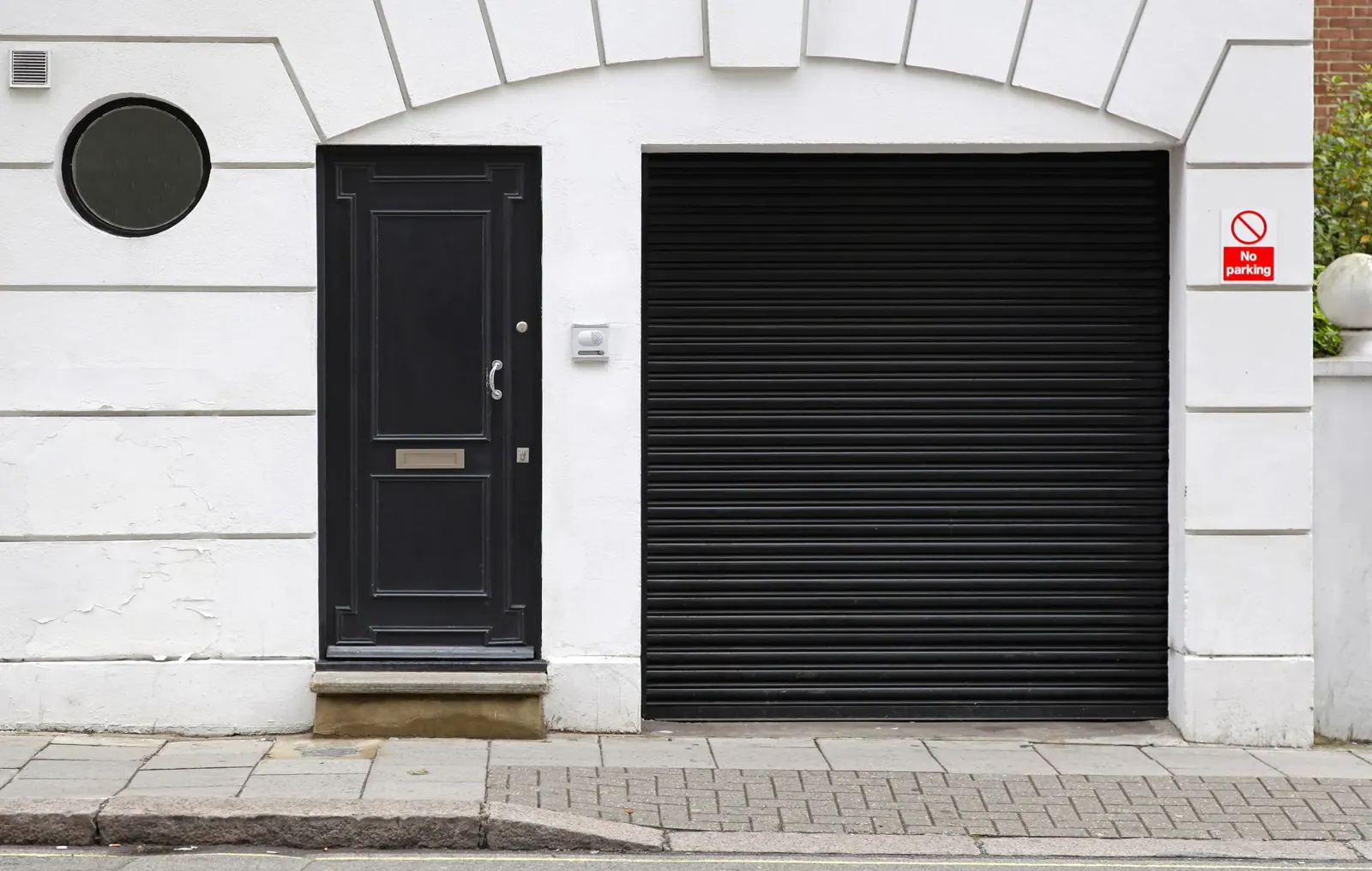 Commercial Doors
Commercial Garage Door Services
Sectional and rolling steel doors, operators and maintenance for local businesses.
Learn moreMore services
What you should expect from any garage door professional
These aren’t slogans. They’re the standards we hold ourselves to — and the standards worth expecting from anyone who works on your door.
Proper diagnosis
We test the door with the opener disconnected, check balance and inspect the whole system before recommending anything. The goal is to fix the cause, not chase symptoms.
Professional workmanship
Tracks plumb and secure, springs wound to the right turns, cables wound evenly, fasteners in solid framing. The details nobody sees are the ones that make a door last.
Safety-conscious service
Springs, cables and bottom brackets store dangerous energy. We use proper tools and procedures, and every job ends with a test of the opener’s safety reversal.
Quality materials
Springs sized to your door’s real weight, sealed-bearing rollers, galvanized hardware and seals that stay flexible in the cold — parts chosen to suit Wisconsin conditions.
Clear communication
You’ll hear what we found, what’s urgent, what can wait and what each option involves — in plain language, before work is approved.
Reliable installation
New doors and openers are measured, matched and balanced as a complete system, so the door runs smoothly and the opener isn’t overworked from day one.
Attention to detail
Even seals across the threshold, hardware aligned on carriage doors, wiring neatly routed and the garage left clean. Small things add up to a job well done.
Respect for your time
We aim to show up prepared, keep you informed and finish what we start. If a part must be ordered, we’ll make sure the door is safe in the meantime.
Six signs your garage door is asking for attention
Garage doors rarely fail without warning. Learning to recognize the early signs lets you plan a simple repair instead of dealing with a stuck door on the worst possible morning.
It’s getting louder
Grinding, squealing or banging usually means dry or worn rollers, loose hardware or a spring that is starting to fatigue. Noise is the earliest and most common warning sign.
It feels heavy by hand
Pull the emergency release with the door closed and lift. If it’s heavy or won’t stay put halfway, the springs are no longer balancing the door and the opener is doing too much work.
One side sits lower
A crooked bottom edge often means a cable has slipped or frayed, or a drum has come loose. Stop using the door until it’s checked.
It reverses or stops
Misaligned sensors, an incorrect limit setting or a door that binds in its tracks can all make the opener stop or reverse unexpectedly.
Light shows at the edges
Daylight around a closed door means failed weatherstripping. In winter, that means cold air, snowmelt and even mice getting in.
The opener hums but strains
An opener that labors, slows or hums without moving may have a worn gear — or it may be fighting a broken spring. Either way, don’t keep pressing the button.
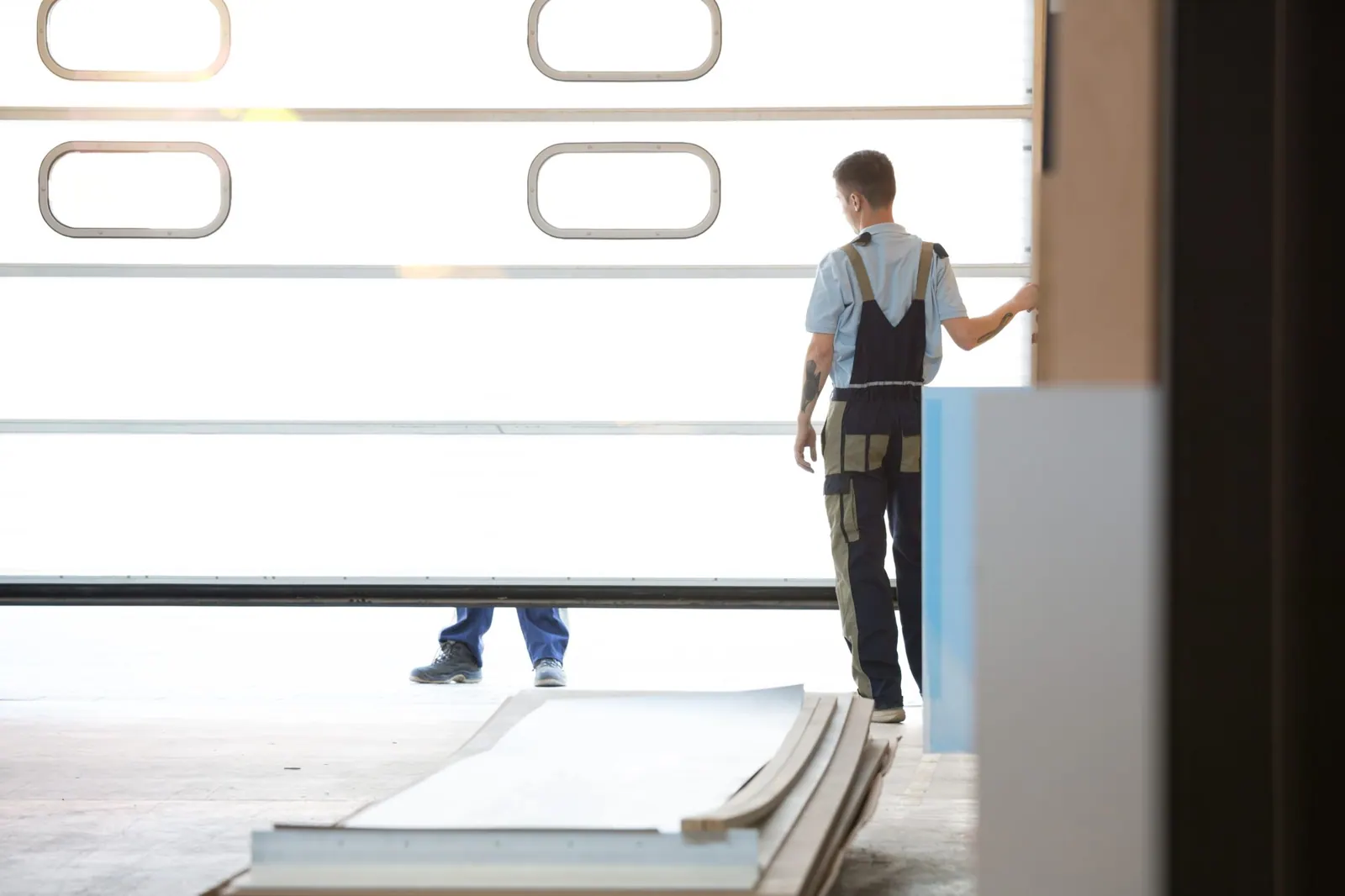
What a little expertise changes
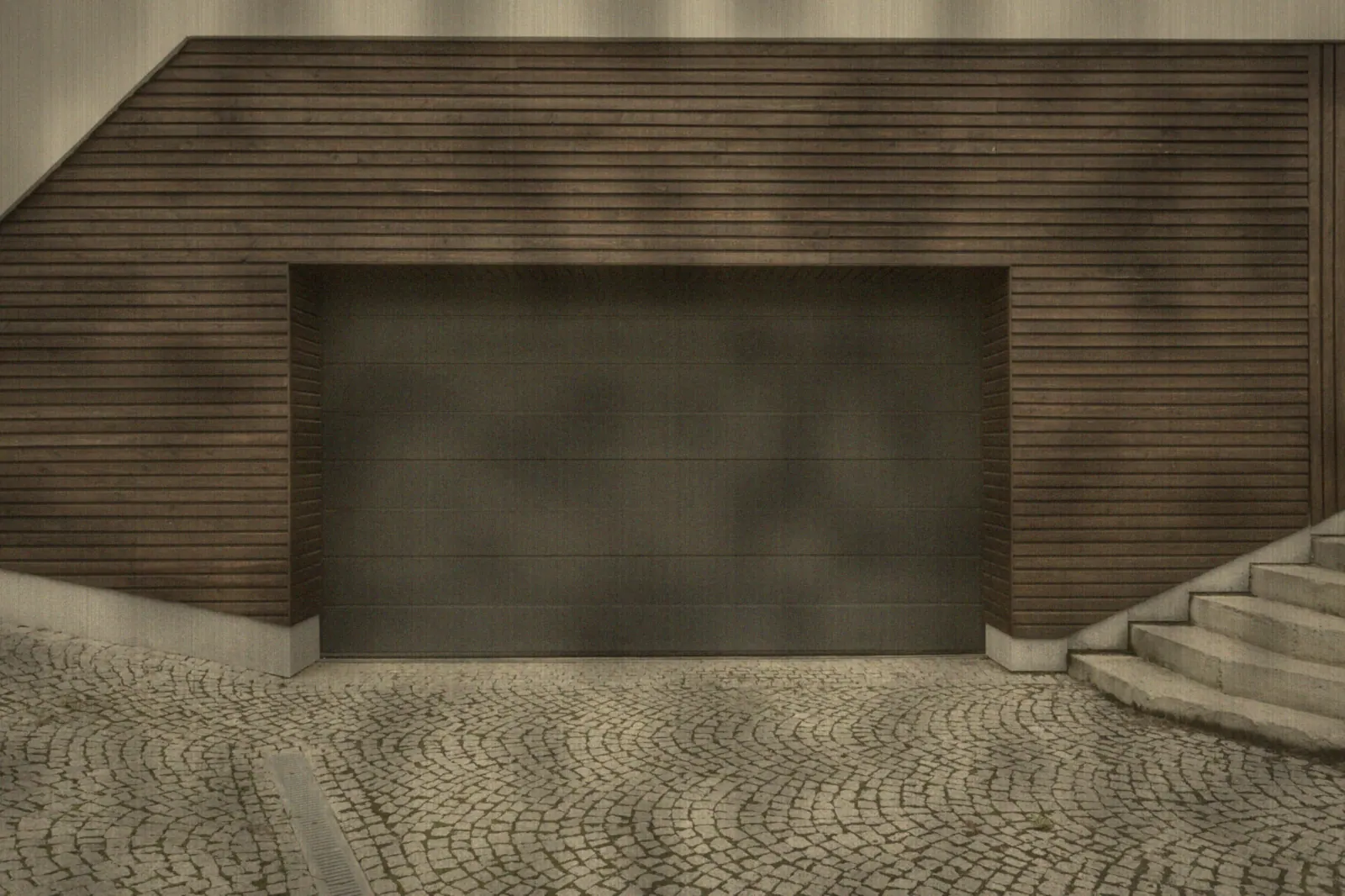
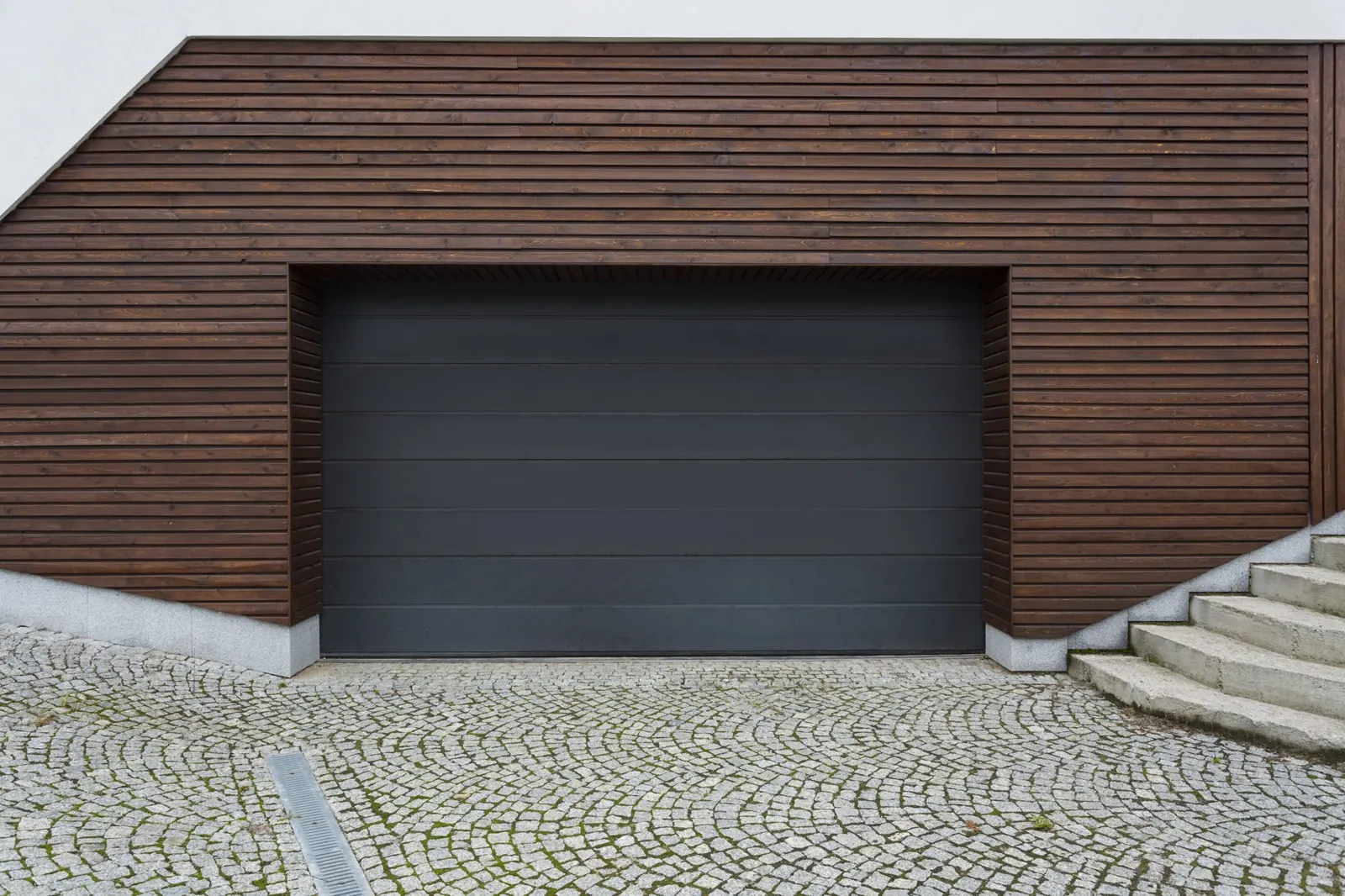
Illustrative transformations showing the kinds of improvements repair, replacement and maintenance can make. Drag the sliders to compare.
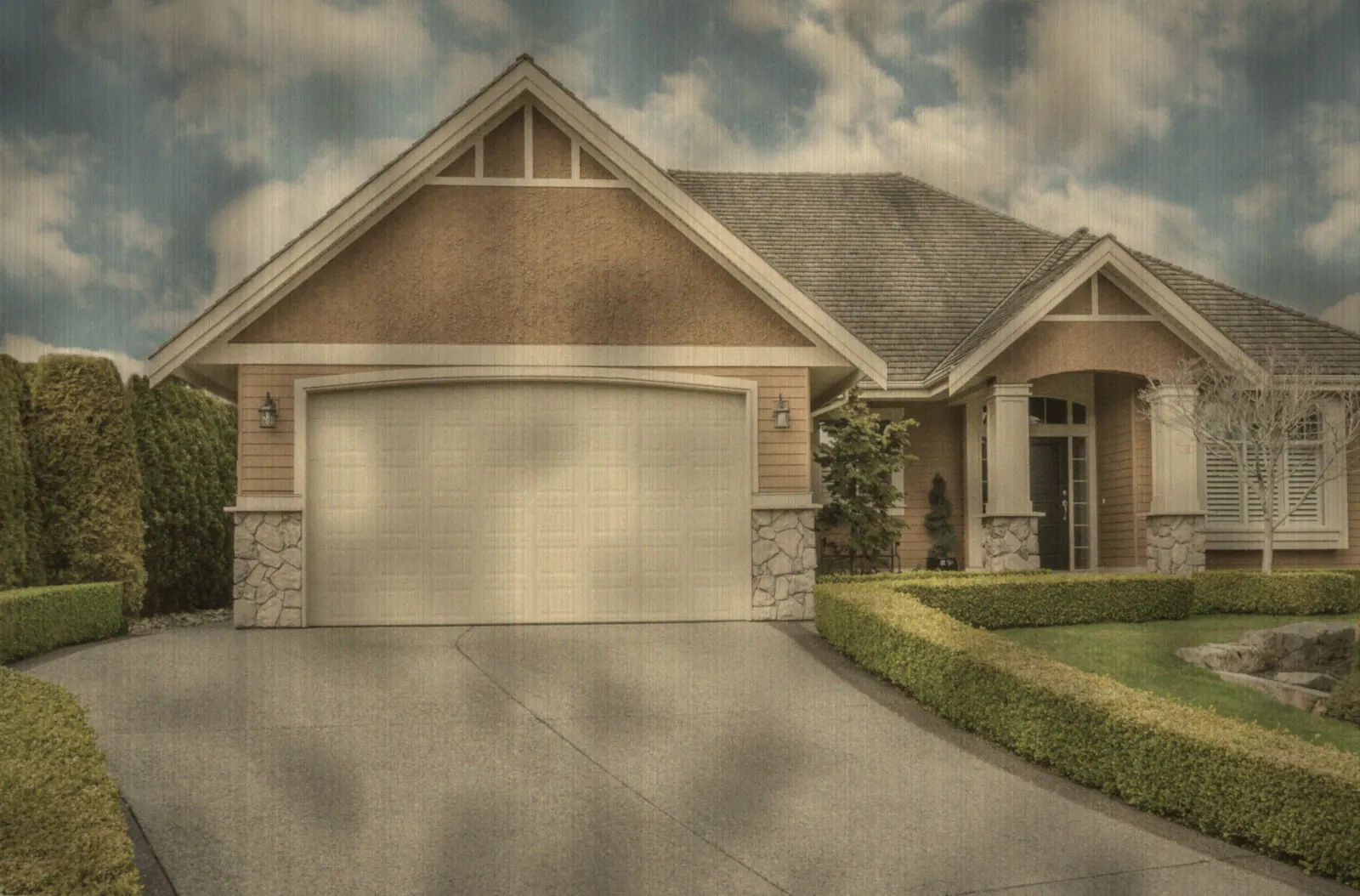
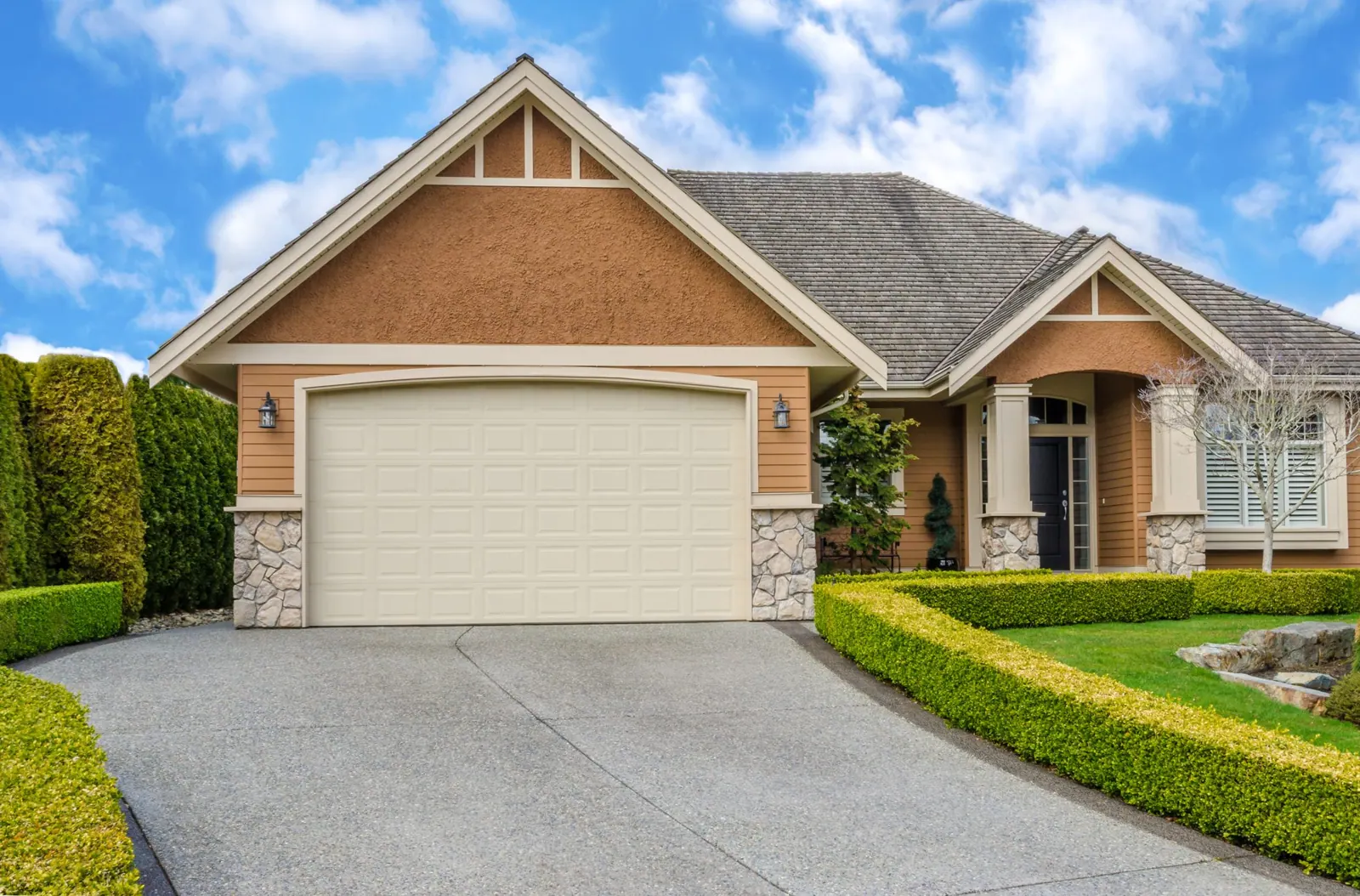
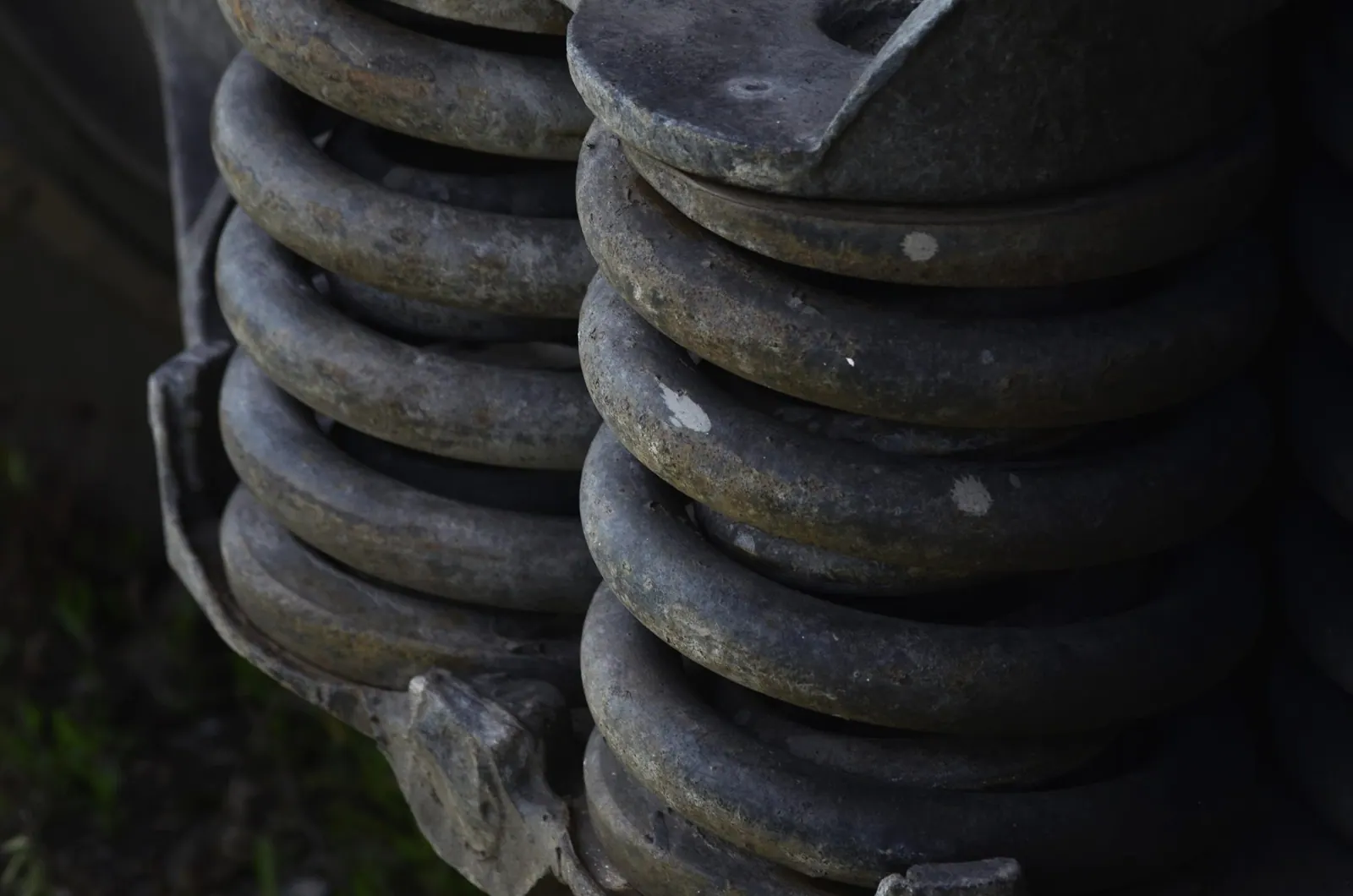 BeforeAfter
 BeforeAfter
Six steps from first call to final test
Whether it’s a repair or a full installation, every job follows the same steady rhythm — so you always know what’s happening and what comes next.
Contact & request
Call or send the online form. Tell us what the door is doing; photos help.
Initial assessment
We talk through the symptoms and history to understand the likely issues.
Inspection & recommendations
Hands-on inspection of the full system, then clear options and priorities.
Service approval
You decide. Nothing beyond what you approve is done.
Repair or installation
The work is carried out with properly sized parts and care for your property.
Final inspection
Balance, travel, seals and safety reversal are tested, and we walk you through it.
Based in Sussex, serving the neighborhoods around it
We’re based in the Village of Sussex in Waukesha County, and Sussex homes and businesses are our focus — from the established neighborhoods near Main Street to the newer subdivisions on the edges of the village. Many of these homes were built with standard single-layer doors and original springs that are now reaching the end of their service life.
If you’re in a neighboring community such as Lisbon, Lannon, Menomonee Falls, Pewaukee, Hartland or Merton, please call or send a request to confirm availability for your address before scheduling.
Service area detailsCommunities other than Sussex are listed for reference. Coverage is confirmed case by case — just ask.
Reviews from real customers, coming soon
We only publish genuine, verified reviews. Once customers share their experiences, this space will feature their words — never invented testimonials or star ratings.
Reserved for a verified customer review.
Reserved for a verified customer review.
Reserved for a verified customer review.

Garage doors and Waukesha County winters
Cold weather is the hardest season on garage doors, and it’s when most of them fail. Springs that have quietly worn through years of cycles tend to break on the first frigid mornings. Lubricants thicken, so rollers and openers work harder. Bottom seals stiffen, crack and can freeze to the slab — and an opener trying to lift a frozen door can strip its gears or bend the top section.
Road salt adds a slower problem. Brine and slush ride into the garage on every vehicle and pool at the threshold, corroding bottom brackets, track bottoms and the lower edge of the door. Meanwhile, single-layer doors with worn seals let cold air pour into attached garages and the rooms above them.
A few simple habits help: schedule a tune-up in the fall, replace cracked weatherstripping before the first snow, keep the threshold clear of slush, and free a frozen door gently instead of leaning on the button. If your garage is attached or heated, an insulated door with tight seals can make a real difference in comfort.
Answers to common garage door questions
Can’t find your question here? Each service page has its own FAQ, or you can ask us directly.
First, stop pressing the button. Check whether the opener has power, whether the emergency release has been pulled, and whether the remote or wall button is locked. If you heard a loud bang or see a gap in the spring above the door, a spring has likely broken — leave the door closed, unplug the opener and contact us. Lifting a door with a broken spring is dangerous.
Common signs include a loud bang from the garage, a visible two-inch gap in the torsion spring above the door, loose cables, a door that feels extremely heavy, and an opener that strains or stops after lifting a few inches. Extension springs may hang loose along the tracks.
If the opener is relatively modern, has working photo-eye sensors and needs a single reasonably priced part, repair is usually sensible. Replacement makes more sense for very old units without modern safety sensors, when parts are unavailable, or when you want features such as quieter belt drive, smart control or battery backup.
A standard residential installation is typically completed in one day once the door has arrived. Custom doors, structural changes to the opening and low-headroom situations can add time, and we’ll explain that during the estimate.
For attached, heated or workshop garages — and garages with living space above — an insulated door with good seals usually makes the space noticeably more comfortable and quieter. For a detached storage garage, a simpler door may be enough.
Noise usually comes from worn rollers, dry hinges and bearings, loose hardware, a chain-drive opener or a door that’s out of balance. Replacing rollers with sealed-bearing nylon rollers, tightening hardware, lubricating moving parts and balancing the door often makes a dramatic difference.
The most common causes are misaligned or dirty safety sensors, something blocking the sensor beam, a close limit that’s set too far, or a door that binds and trips the opener’s force setting. Cleaning and realigning the sensors is a good first check.
Yes — we work with businesses on sectional overhead doors, rolling steel doors and their operators, including repair, installation and planned maintenance. Tell us the door type, size and operator when you reach out so we can plan the visit.
Urgent problems — a door stuck open, a vehicle trapped inside, a door off its tracks — are a priority. Please call to confirm current availability for urgent and after-hours requests so we can give you an accurate answer.
For most homes, a professional tune-up once a year is a good rhythm, ideally in the fall before the first hard freeze. Between visits, keep tracks clean, lubricate hinges and rollers, and test the safety reversal monthly.
Ready for a garage door you don’t have to think about?
Tell us what’s going on — a stuck door, a noisy opener, or ideas for a new door — and we’ll follow up to talk through options. Estimates are free and there’s no obligation.