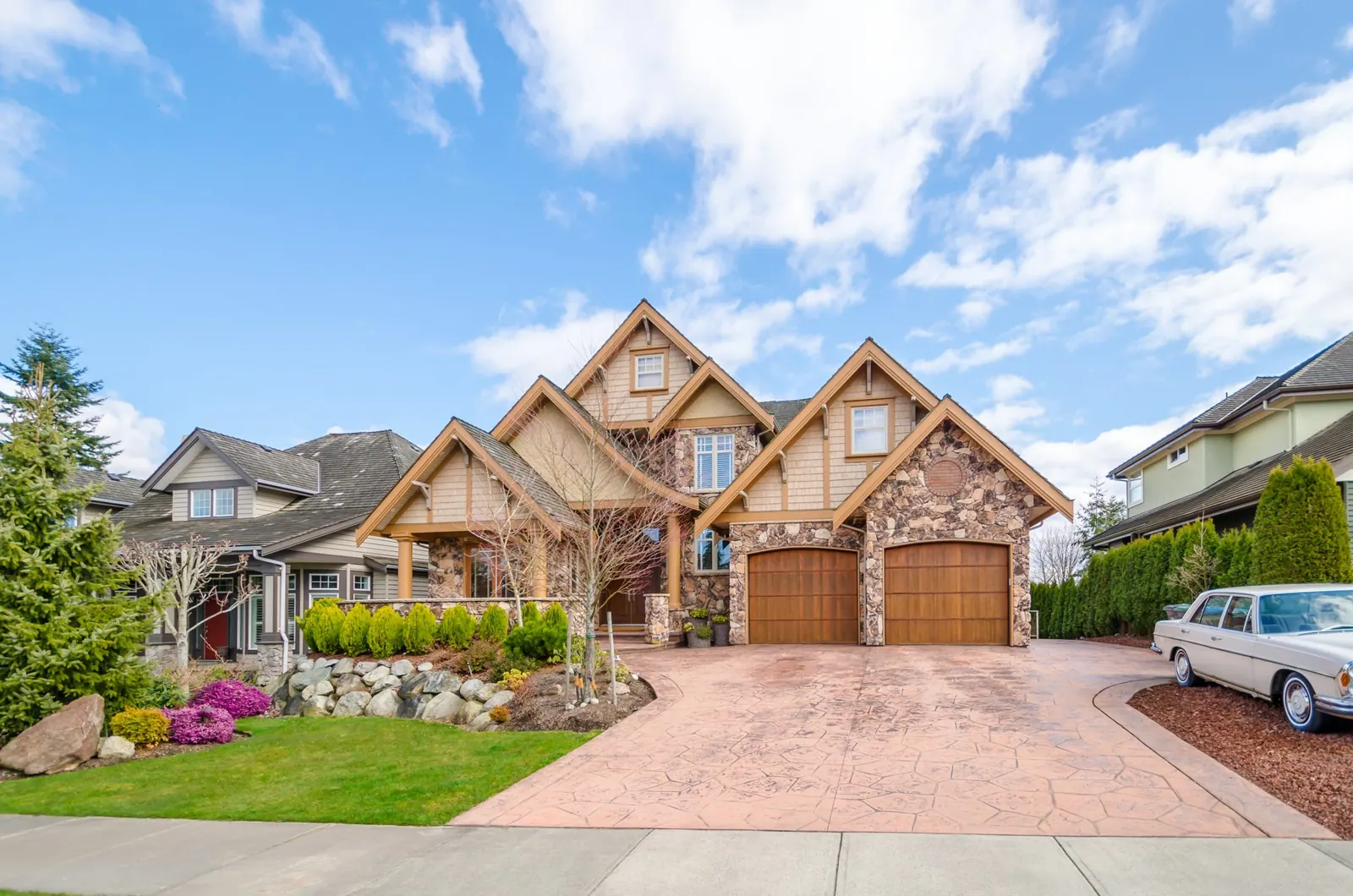
Large lodge-style home with cedar carriage-house garage doors and stone accents
Custom Garage Doors · Sussex, WI

Carriage house, traditional, contemporary and wood garage doors

The right door finishes a house the way a good frame finishes a painting. We help you choose a style, material and finish that suits your architecture — and holds up to Wisconsin weather.

A garage door is an architectural decision

On many homes, especially those with front-facing attached garages, the garage door takes up a large share of the street-facing elevation. That makes it one of the most influential design choices on the house. A door that harmonizes with the architecture makes a home look intentional and complete; one that fights it — or simply fades into a blank wall — can undercut everything else.

Choosing well isn’t about following trends. It’s about looking at the house as a whole: the roofline, the siding or masonry, the window grids, the trim profiles and the front door. The best garage door repeats something the house is already doing.

Carriage-house doors

Carriage-house doors borrow their look from the swing-out doors of old stables and coach houses. Today, almost all are sectional overhead doors that open like any other garage door, but they are designed to look like a pair of side-hinged doors meeting in the middle. Common details include vertical board patterns, Z- or X-shaped crossbucks, arched tops, and decorative black iron handles and strap hinges.

These doors are a natural fit for farmhouse, craftsman, cottage and lodge-style homes, and they can add warmth to plainer suburban houses as well. They’re available in steel, wood-look composite and genuine wood.

Carriage house garage doors on a brick home Arched tops and window lites give carriage doors their handcrafted character.

Traditional raised-panel doors

The raised-panel door is a classic for a reason. Short panels give a busier, more traditional pattern; long panels feel cleaner and more horizontal. These doors work with colonial, ranch, cape cod and a wide range of 1970s-to-present suburban homes. Adding a row of windows or choosing a richer color can lift a traditional door from ordinary to distinctive.

i. What to watch for

Four styles, and the homes they suit

Most residential garage doors fall into a handful of families. Here’s a quick guide, plus the details that set each apart.

01

Carriage house

Inspired by swing-out barn and stable doors, with vertical boards, crossbucks and decorative handles. Suits farmhouse, craftsman and cottage homes.

02

Traditional raised panel

Short or long raised panels in a clean grid. A timeless choice for colonials, ranches and much of the suburban housing stock around Sussex.

03

Contemporary and flush

Smooth, flat or grooved surfaces, long horizontal lines and minimal hardware. Pairs with modern and transitional architecture.

04

Full-view glass

Aluminum frames with glass or polycarbonate panels. Bold, bright and modern; best where light matters more than insulation.

05

Natural wood

Real wood brings depth and warmth no imitation fully matches, in exchange for regular sealing and refinishing.

06

Wood-look steel and composite

Embossed or printed grains with steel or composite durability — the low-maintenance route to a wood look.

Before & after

See the difference the right work makes

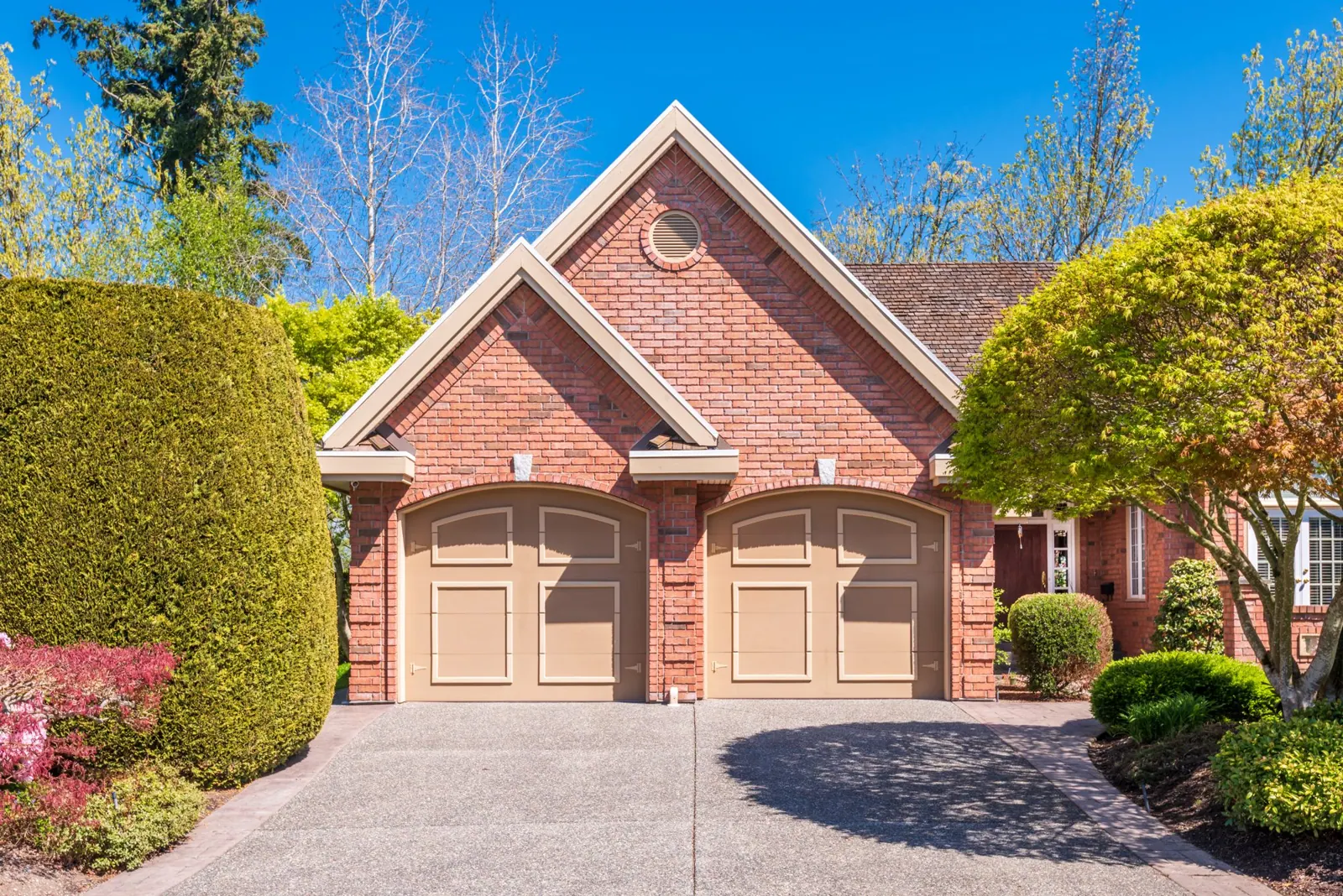
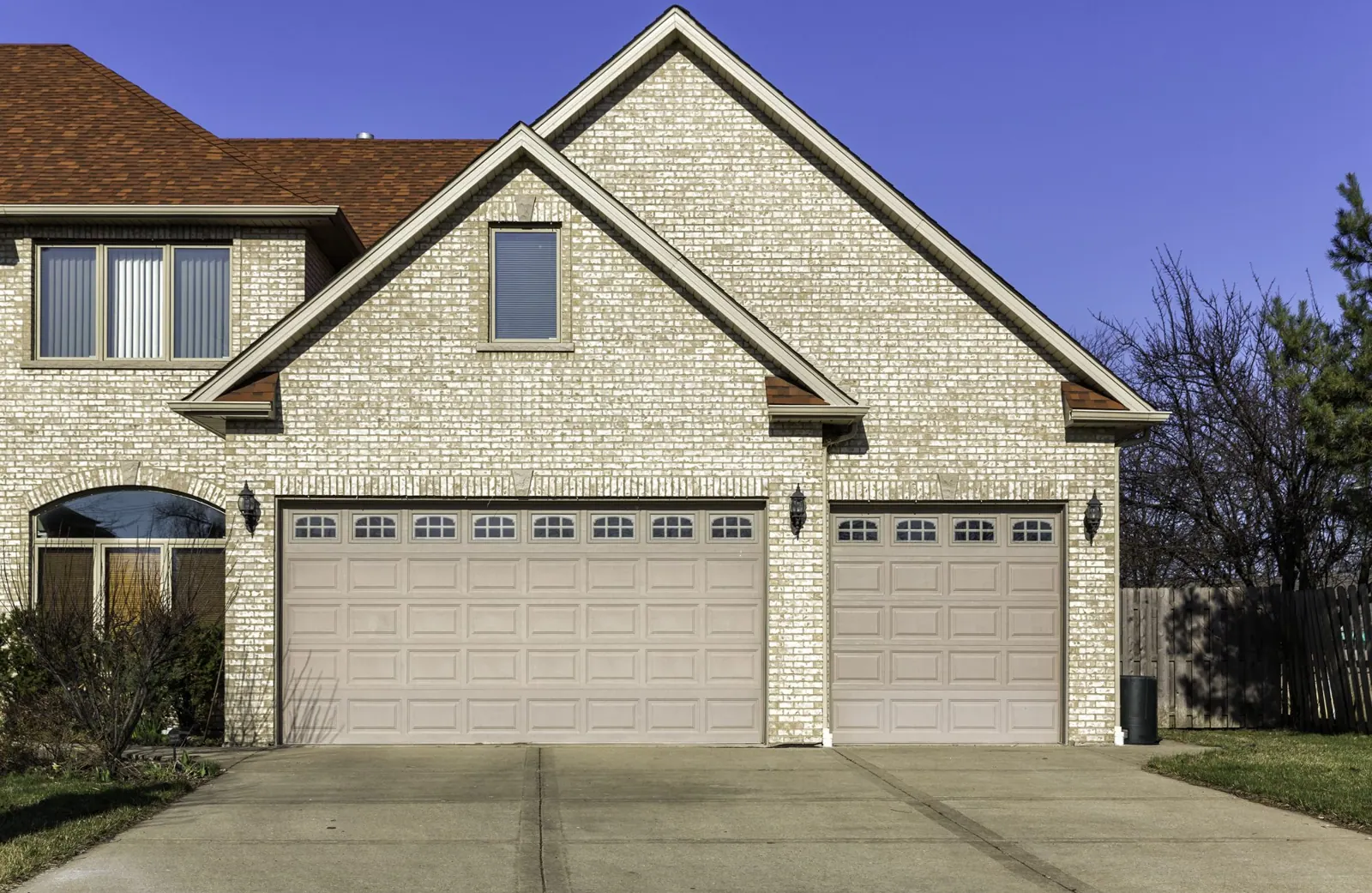
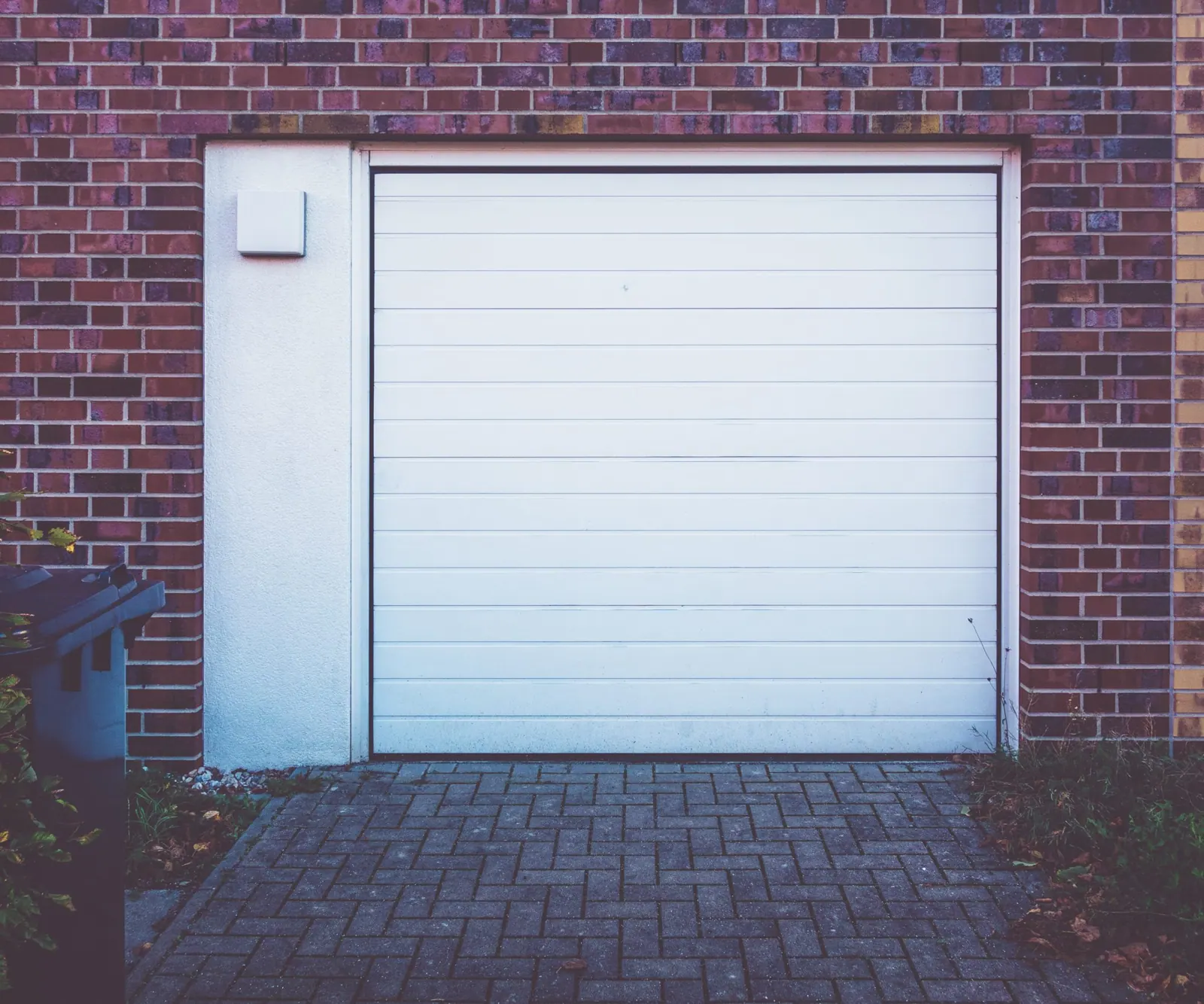
Standard flat-panel garage doors on a brick suburban homeBefore
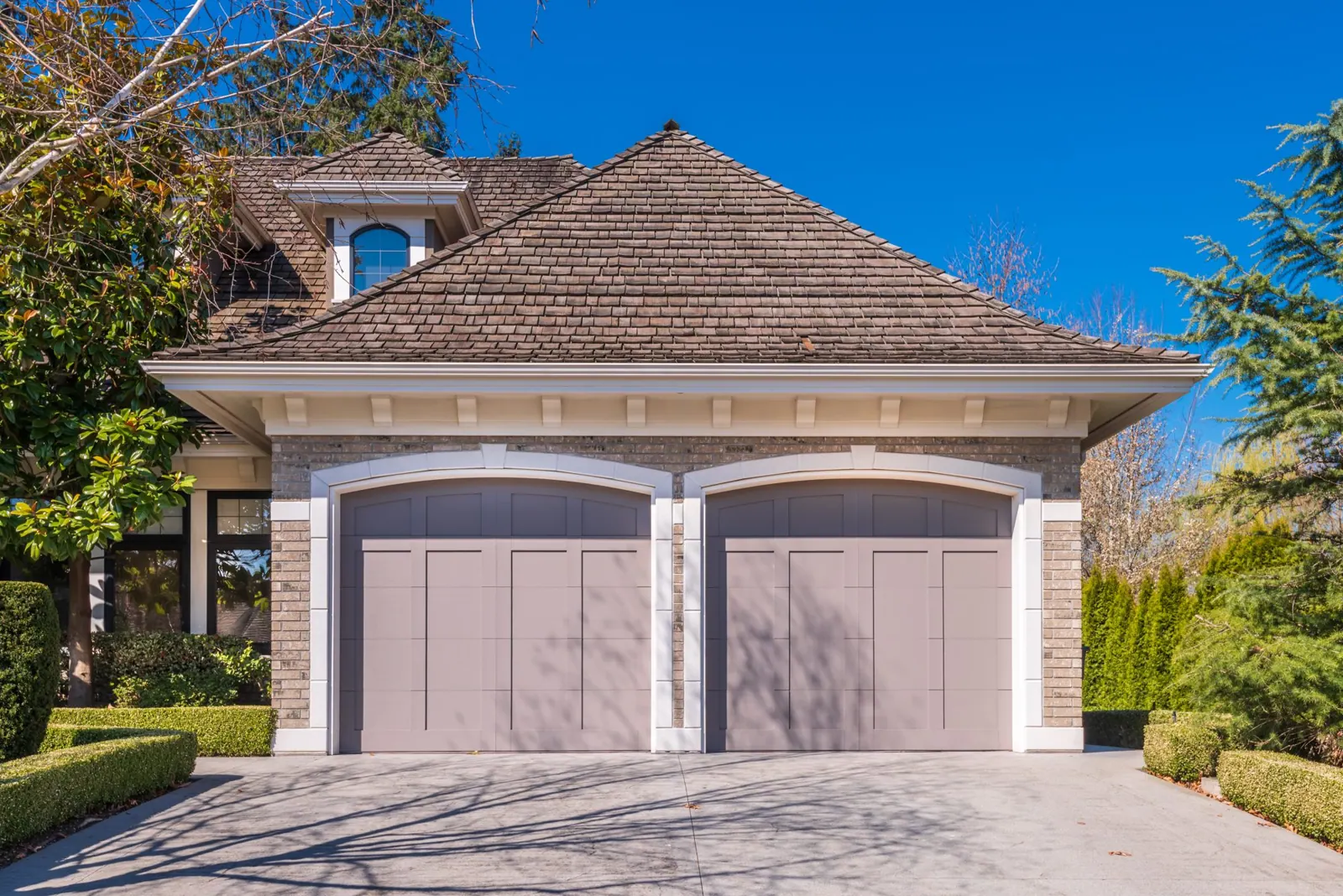
Arched carriage-style garage doors on a stone-faced homeAfter
IllustrativeA plain standard-panel look compared with a carriage-house design that adds character and depth — a style comparison, not the same house. Illustrative example using stock photography — not a documented Sussex Garage Door Service project.

Contemporary doors

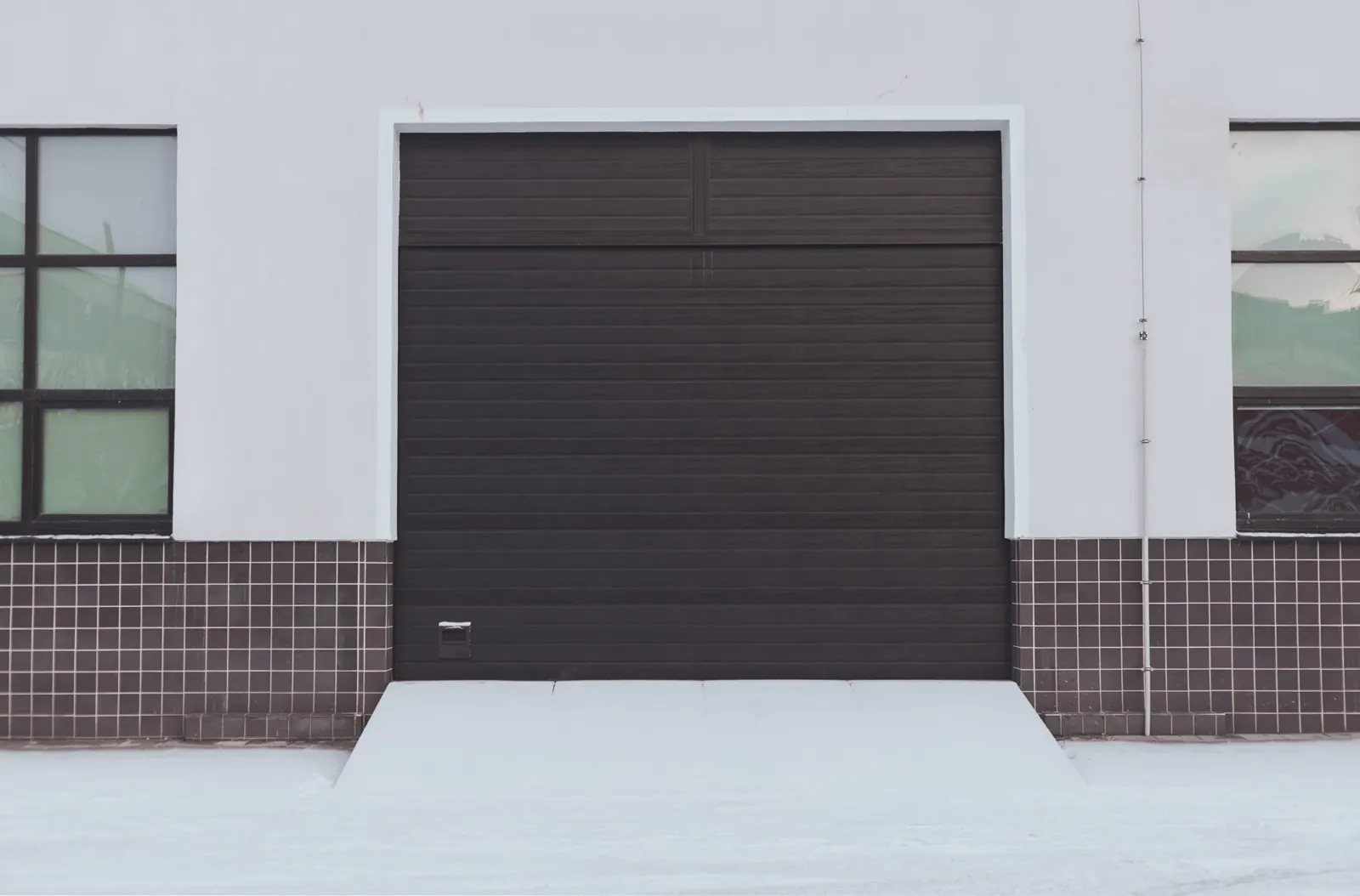
Contemporary garage doors emphasize clean lines and simple surfaces. Options include flush panels, long horizontal grooves, slim-profile ribbed steel, and wood-look planks in a horizontal orientation. Hardware is minimal or absent. On modern farmhouse and transitional homes, a contemporary door in black, charcoal or a warm wood tone can be striking.

Full-view doors — aluminum frames with glass or polycarbonate panels — take contemporary design further. They bring daylight into the garage and look especially dramatic when lit at night. Because glass insulates less than solid insulated steel, they’re best suited to homes where light and style are the priority, or to garages that aren’t heavily heated.
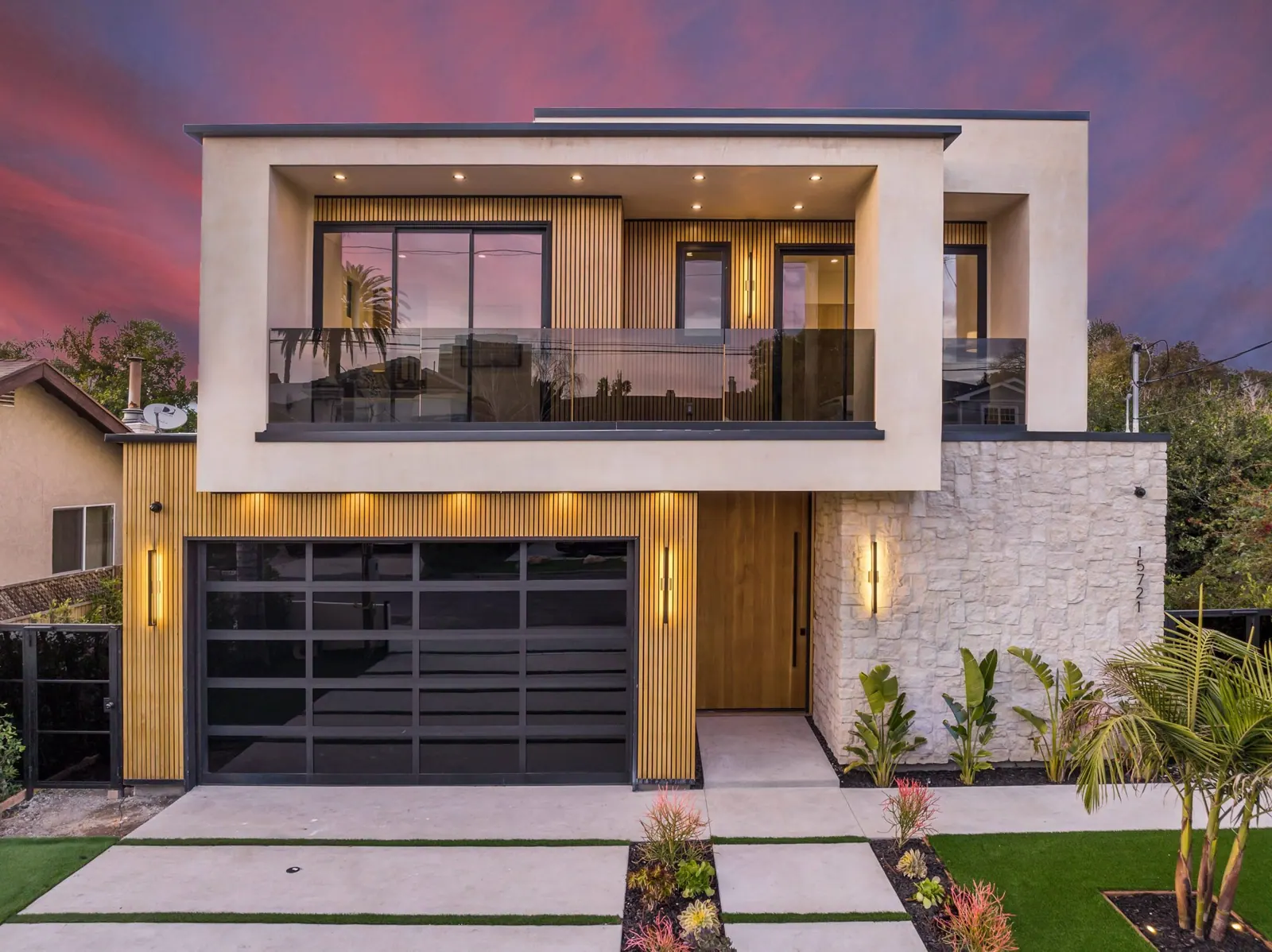
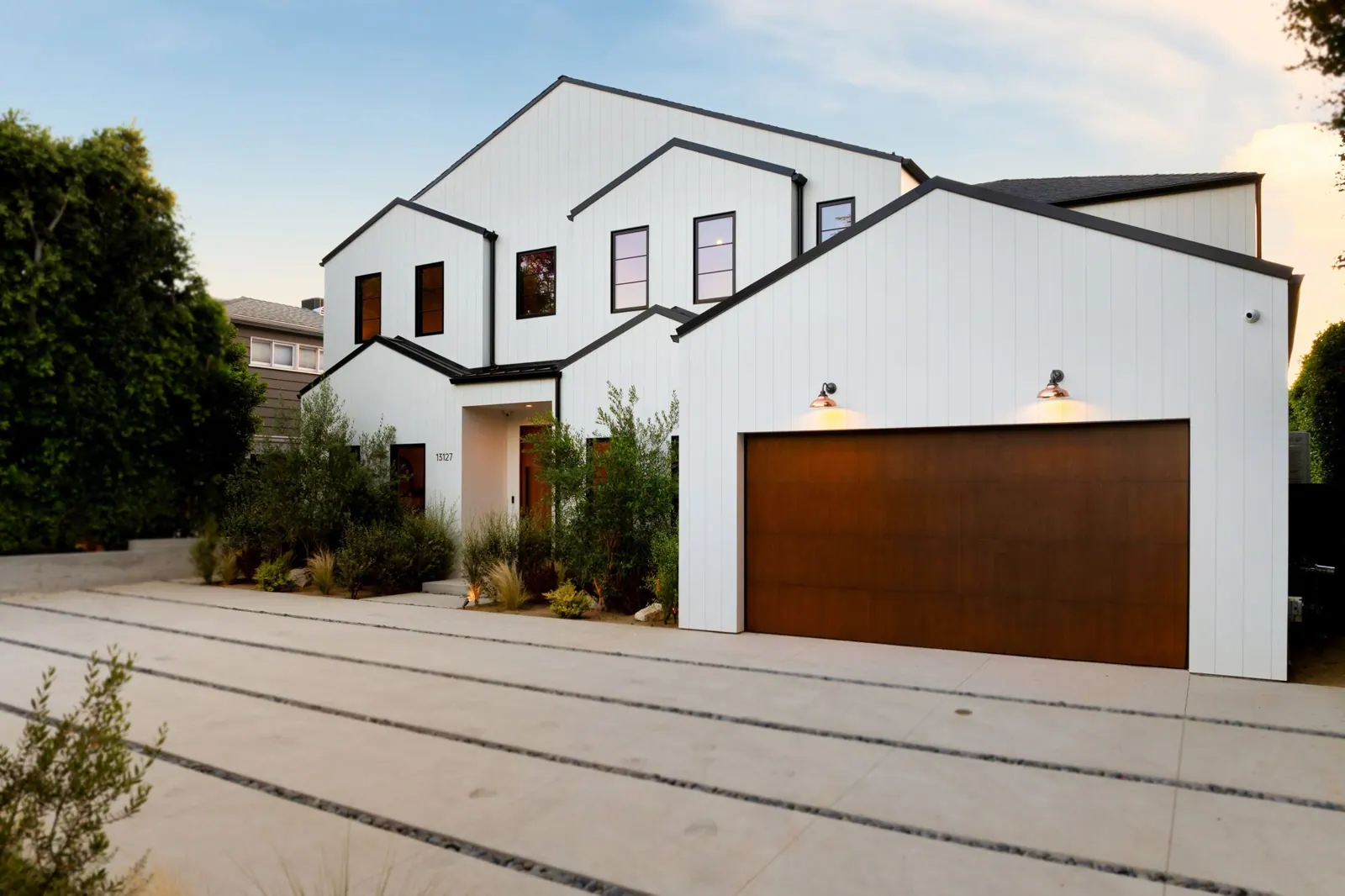
Modern home with a full-view glass garage door Full-view glass doors turn the garage into a lit architectural feature after dark.

Wood garage doors

Nothing quite matches real wood. Cedar, hemlock and other species bring depth, grain and warmth, and they can be stained to match timber accents elsewhere on the house. The trade-off is maintenance: wood needs a quality finish and periodic refinishing to protect it from moisture, sun and freeze-thaw cycles. Wood doors are also heavy, so spring sizing and opener choice need care.

If you love the look but not the upkeep, wood-look steel and composite doors offer convincing grain patterns with the durability of a modern finish.

Getting the details right

  • Windows. Window placement, shape and grid pattern should echo the home’s other windows. Top-section windows bring light while keeping the door mostly solid.
  • Hardware. Decorative handles and hinges make or break the carriage look; they should be aligned precisely.
  • Color. Matching trim feels cohesive; a contrasting color or wood tone turns the door into a focal point.
  • Proportion. On wide garages, two single doors often look more refined than one double door — especially on carriage designs.

Built to perform, not just to look good

A custom door still has to open thousands of times a year through Wisconsin weather. That means choosing finishes rated for exterior exposure, sizing springs for the door’s real weight, selecting the right track for your headroom and pairing the door with a suitable opener. Style and engineering go together: the most beautiful door in the neighborhood isn’t much use if it binds every January.

Questions to ask before you choose

A few simple questions can save a lot of second-guessing once the door is installed:

  • Which direction does the garage face? Strong afternoon sun fades some finishes faster and makes dark colors hotter to the touch.
  • How close is the door to the street? Fine details read well up close; bold shapes read better from a distance.
  • How many doors are there? Two single doors, a single double door or a mix — each changes the proportions of the façade.
  • What’s the long-term plan? If siding, trim or roofing will change in a few years, choose a door that will suit the house after those updates too.
  • How much maintenance will you realistically do? Be honest here. A wood-look steel door that still looks good in ten years can be a better choice than a real wood door that goes unrefinished.

Bringing it all together

The most successful garage doors look like they were always meant to be there. They echo the window grids, pick up the trim color or the timber accents, and sit comfortably with the roofline above. We’re glad to look at photos of your home, talk through a few directions and help you narrow the choices before anything is ordered — so the door you end up with is one you’ll still like years from now.

Lighting and landscaping finish the look

A new custom door looks its best when the details around it support it. Wall sconces on either side of the door, or a fixture centered above it, draw attention at night and improve safety on the driveway. A clean trim color around the opening frames the door, and low plantings beside the driveway soften large expanses of garage front. These small touches cost little compared with the door itself and make the whole project feel finished.

If you’re collecting ideas, save photos of garage doors you like on homes similar to yours and share them when you request an estimate. It’s one of the fastest ways to get to a door you’ll love.
ii. The visit

What to expect, step by step

Every job is different, but the rhythm of a good service call shouldn’t be. Here’s how a custom & designer garage doors visit typically unfolds.

Start with a request

Study the house

We look at rooflines, siding, trim, windows and the front door to understand the architecture.

Narrow the style

Choose a door family, then refine panel layout, window placement and decorative hardware.

Choose material and finish

Balance appearance, insulation, durability and maintenance for your exposure and use.

Confirm the details

Size, headroom, track type, spring setup and opener compatibility are confirmed before ordering.

Install and finish

The door is installed, balanced and sealed, and hardware is aligned so the finished look is crisp.

iii. FAQ

Custom & Designer Garage Doors questions

Straight answers to the things Sussex homeowners and business owners ask most about custom & designer garage doors.

Most modern carriage-house doors are sectional overhead doors designed to look like swing-out doors. They open upward like a standard garage door, with decorative handles and hinges that are purely aesthetic.

Wood doors need periodic inspection and refinishing to protect against moisture and UV. How often depends on exposure, finish and color; south- and west-facing doors generally need more frequent attention. Wood-look steel or composite doors offer a similar appearance with much less upkeep.

Windows typically insulate less than solid insulated sections, and they add weight. Insulated glass helps. Placing windows in the top section only is a common compromise that brings in light while keeping most of the door solid.

Often yes, using low-headroom track systems. Heavier custom and wood doors require careful spring and track planning, so headroom and backroom are measured before a door is ordered.

Many homeowners match the trim for a cohesive look, or choose a contrasting color or wood tone to make the garage a design feature. Consider how the color will look in different light and how much heat a dark color will absorb on a sunny exposure.

Free estimates

Ready to talk about custom & designer garage doors?

Tell us what the door is doing — or not doing — and we’ll follow up to talk through options and set up a visit. Estimates are free.