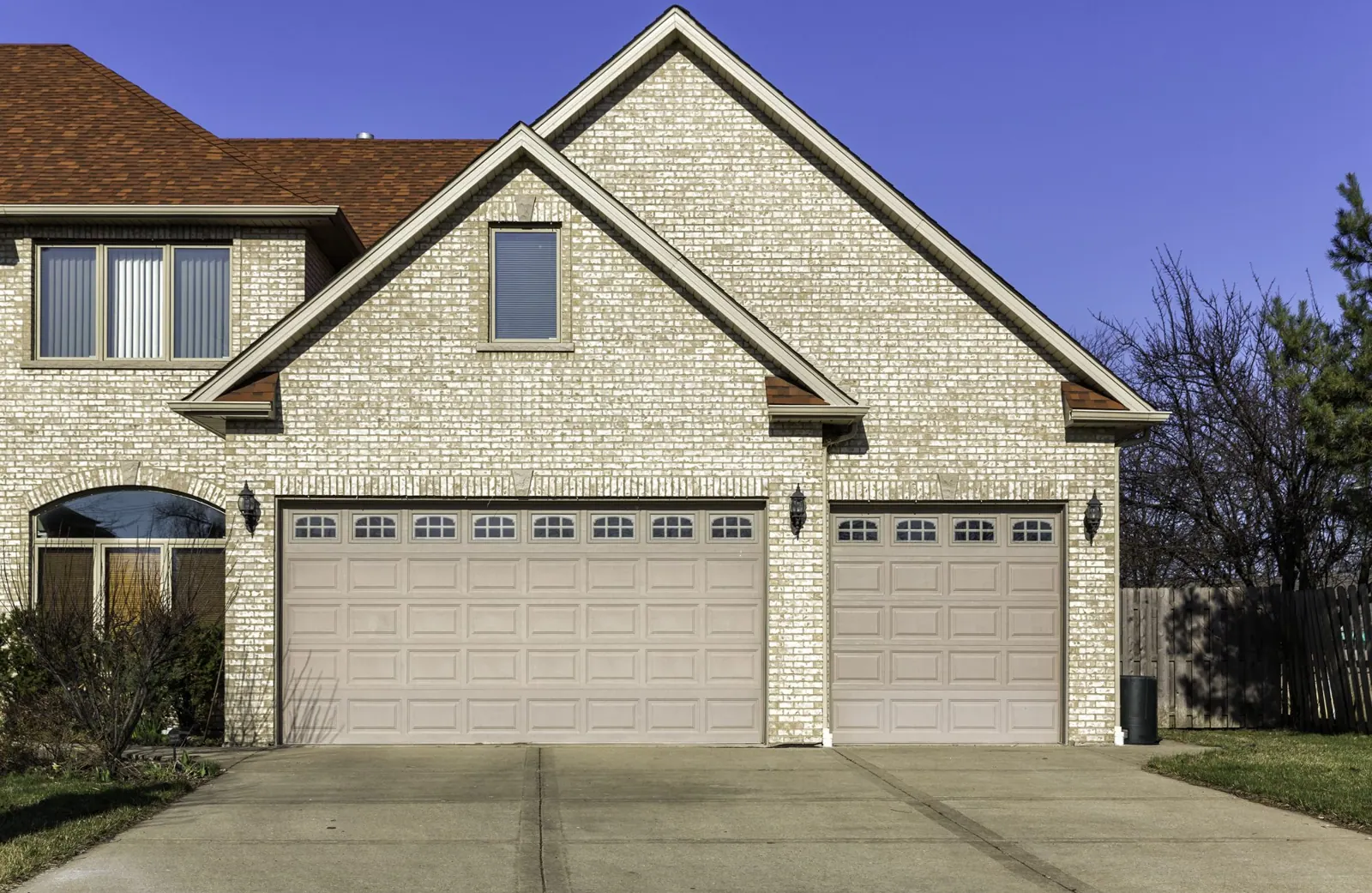
Stone-faced two-story home with a pair of dark carriage-style garage doors
Garage Door Replacement · Sussex, WI

Replace a tired garage door with one built for the next chapter

Sometimes the smartest repair is a new door. When the old one is drafty, dented, rusting or simply worn out, replacement can improve comfort, quiet, safety and curb appeal in a single project.

Repair or replace? Start with an honest assessment

A garage door replacement is a meaningful investment, so the first step should always be an honest answer to a simple question: does this door actually need replacing? Plenty of doors that look tired only need new rollers, springs or seals to work well for years. Others look fine from the street but have rusted bottom sections, cracked stiles or a spring and track system that has been patched one too many times.

We look at the door as a whole system. That means inspecting each section for damage, corrosion and delamination; checking the springs, cables and drums; evaluating the tracks and mounting; and listening to how the opener performs. If repair makes sense, we’ll say so. If replacement is the better value, you’ll understand exactly why.

The case for replacement

Replacing a door is about more than fixing what’s broken. A well-chosen replacement can deliver several improvements at once:

  • Comfort — insulated doors and modern seals cut drafts, which matters in attached garages and rooms above the garage.
  • Quiet — rigid insulated sections, nylon rollers and a well-balanced door make for noticeably quieter operation.
  • Safety — current doors commonly feature pinch-resistant section joints, and new springs sized to the door mean balanced, predictable operation.
  • Curb appeal — the garage door is often one of the largest single features on the front of a house, so a new door can change the whole impression of the home.
  • Lower upkeep — modern steel and composite finishes need far less maintenance than older painted doors.

Brick home with three carriage-style garage doors On many homes, the garage door is the largest single element of the front elevation.

i. What to watch for

Signs it’s time to replace, not repair

None of these alone means you must replace your door. Two or three together usually means replacement is the better investment.

01

Repairs keep coming back

If you’ve paid for several repairs in the last few years and another one is due, the overall system may simply be at the end of its life.

02

Multiple damaged sections

One dent can often be fixed. Several damaged or cracked sections usually cost close to a new door to address.

03

Rust-through or rot

Corrosion along the bottom section and rot in wood doors weaken the structure and are hard to stop once established.

04

Drafts and a cold garage

Single-layer doors with worn seals let a lot of cold air in, which affects attached garages and rooms above them.

05

Parts are hard to find

Older or discontinued doors may not have replacement sections or hardware available any longer.

06

It no longer suits the house

A door that clashes with a remodel or new siding drags down the look of the entire front of the home.

Before & after

See the difference the right work makes

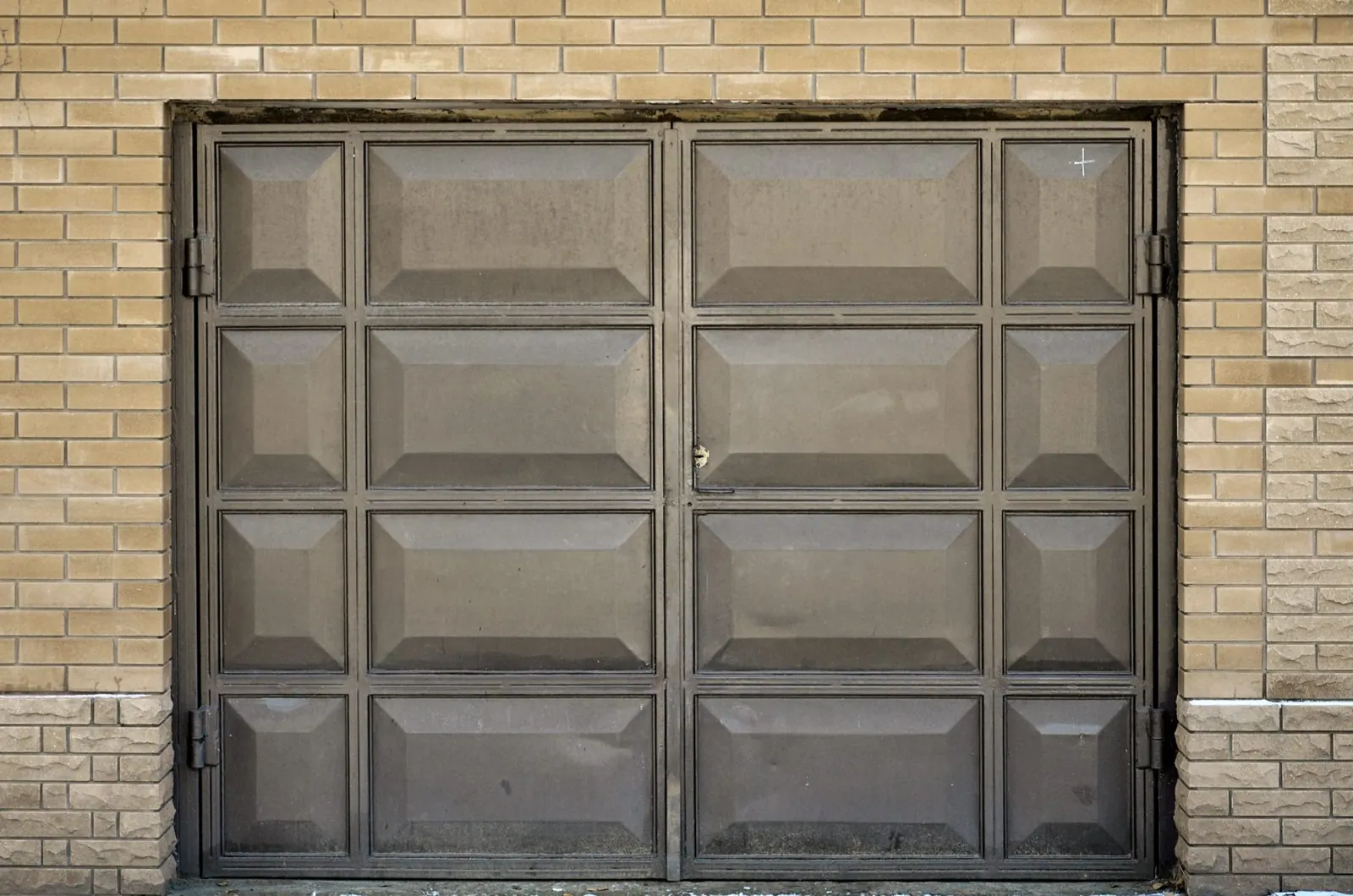
Dated brown steel garage door with worn raised panels set in a brick wallBefore
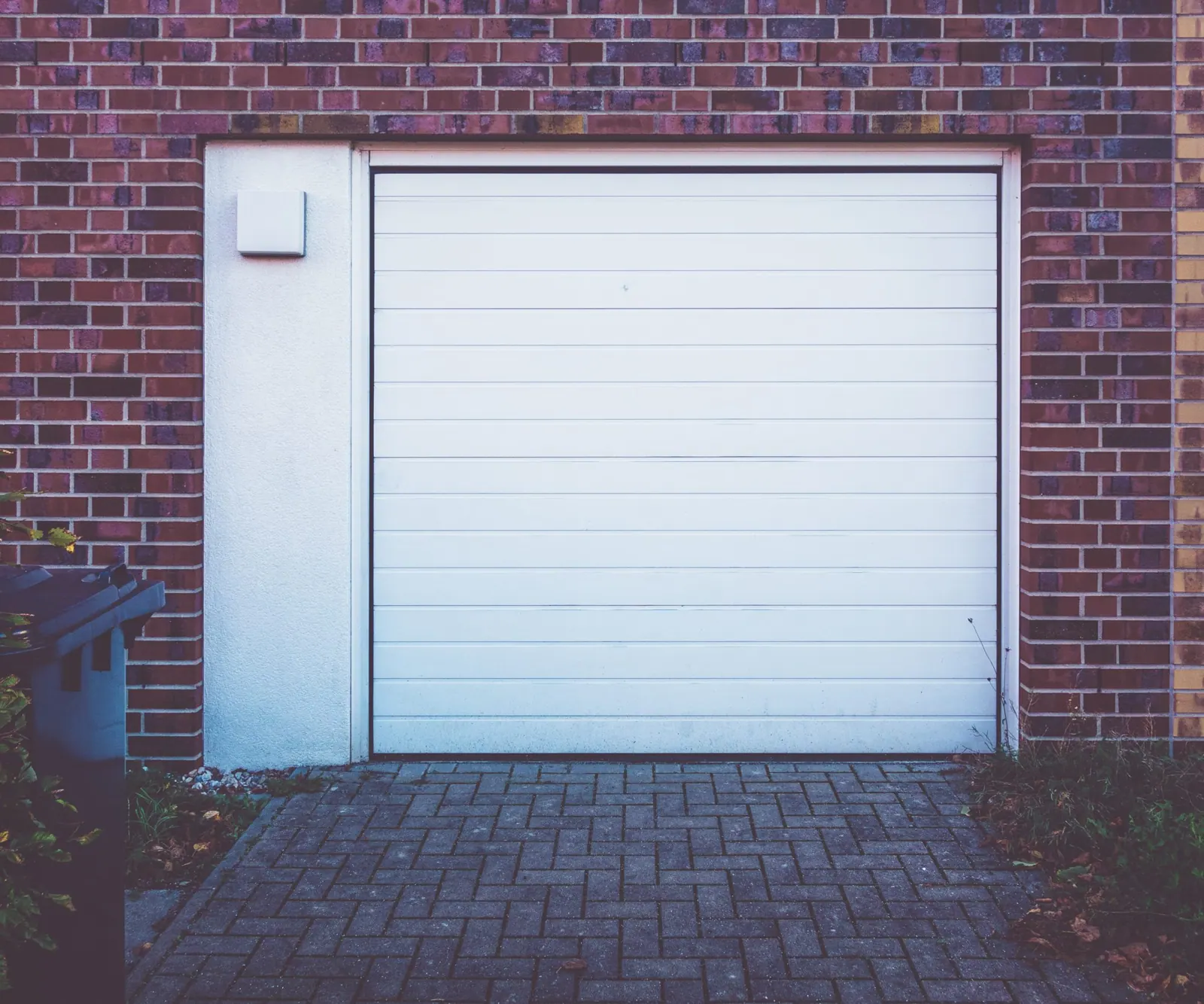
Bright white raised-panel garage door framed by red brickAfter
IllustrativeA dated, worn steel door compared with a clean, modern raised-panel door in a similar brick opening. Illustrative example using stock photography — not a documented Sussex Garage Door Service project.

Choosing a replacement door

Match the house, not just the opening

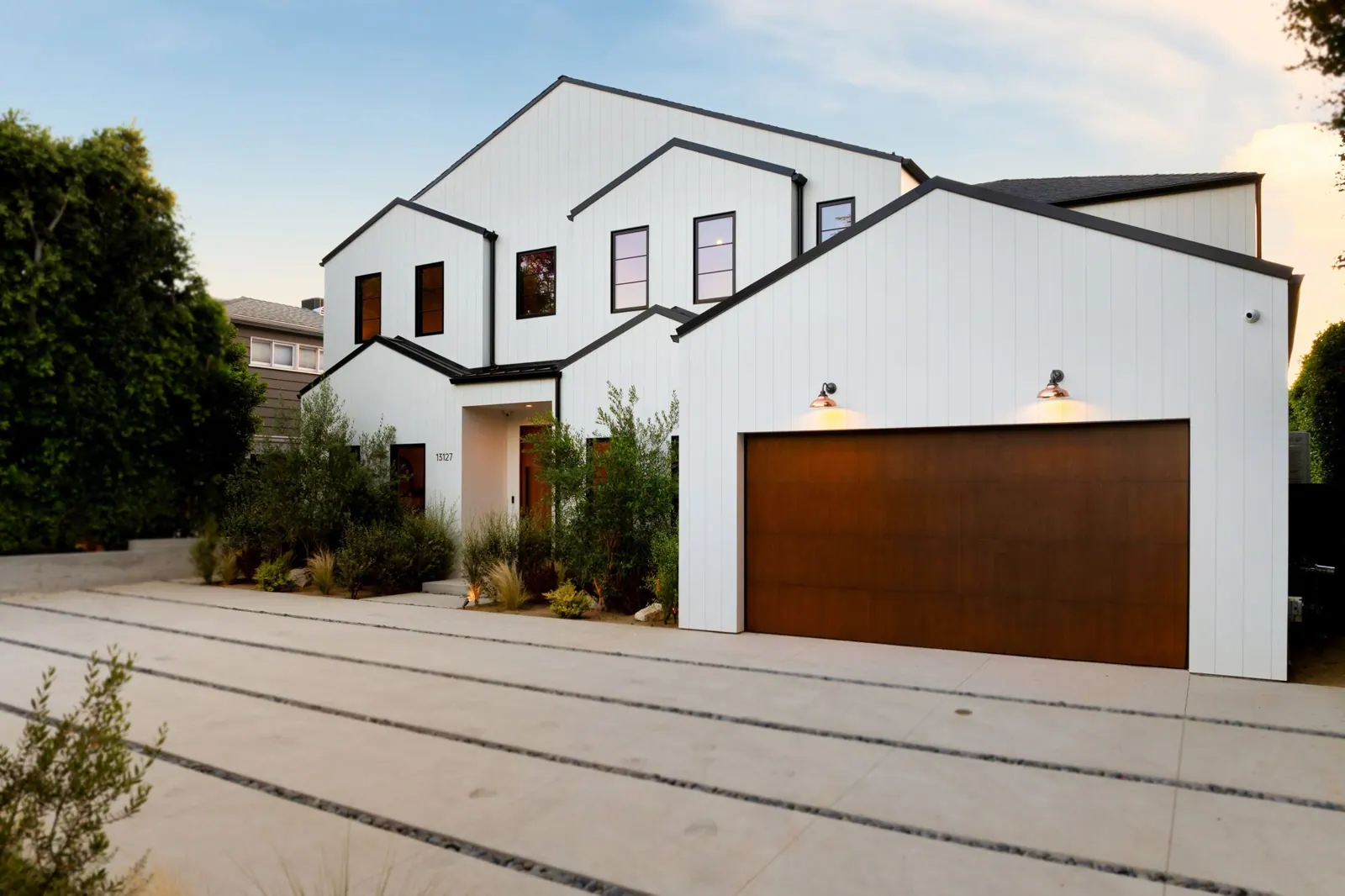
Look at the architecture first. Traditional raised-panel doors suit colonials, ranches and many 1980s–2000s subdivisions. Carriage-house doors complement farmhouse, craftsman and cottage designs. Flush, long-panel and full-view glass doors fit contemporary homes. If you’ve recently replaced siding, windows or the front door, the garage door is a chance to tie everything together.

Think about insulation and construction

A three-layer insulated steel door is stiffer, quieter and more thermally efficient than a single-layer door. For attached or heated garages, that is usually money well spent. If the garage is detached and used for storage, a simpler construction may be perfectly adequate. Our insulated garage door page explains the options in more detail.

Windows and hardware

Windows bring light into the garage and visual interest to the door. Decorative handles and hinges complete the carriage-house look. Remember that every addition adds weight — another reason springs must be matched to the new door, not carried over from the old one.

Why the whole system should be replaced together

It can be tempting to install a new door on the old tracks and springs to save money. In practice, that rarely works well. Springs are calculated for a specific door weight, height and drum size. Tracks may be worn, bent or the wrong radius for the new door. Old cables may already be fatigued. Installing a new door on mismatched hardware leads to poor balance, extra strain on the opener and a shorter life for everything involved. A complete replacement — door, tracks, springs, cables, rollers and seals — gives you a system that works as a unit from day one.

Safe removal of the old door

Removing an old garage door is more hazardous than it looks. Torsion springs store a large amount of energy, and extension springs can whip if a cable or pulley fails during removal. We release spring tension in a controlled sequence before disassembling anything, then remove sections from the top down. The opening is cleaned up and checked so the new door goes onto a sound, square frame.

Considerations for Sussex homes

Many homes in and around Sussex were built during periods when single-layer steel doors were standard, and those doors are now reaching the end of their lives. Winters here put insulation and seals to the test, and road salt is hard on bottom sections. When choosing a replacement, we look at finish durability, bottom seal design and hardware coatings as well as appearance. If the garage floor has settled or heaved over the years, we’ll account for that so the new door seals properly across the full width.

Planning your replacement project

A smooth replacement starts with a little planning. Clear a path to the garage and move vehicles, bikes and stored items away from the door and tracks before installation day. Think about whether you’ll want the opener replaced or upgraded at the same time, since doing both together is more efficient. And if you’re changing the door’s color or style, consider how it will look alongside your front door, trim and any landscaping lighting — small coordinating touches make a big difference.

How long a replacement door should last

A quality garage door that is properly installed and maintained can serve a home for many years. The door sections themselves generally outlast the moving parts — springs, rollers, cables and opener components all wear on their own schedules and are replaced periodically. Planning on regular maintenance from the start helps the new door continue to look and perform its best.

Permits, HOAs and neighborhood guidelines

Some neighborhoods and homeowners associations have guidelines for exterior changes, including garage door styles and colors. If your home is in an HOA or a historic area, check any requirements before choosing a door. It’s much easier to pick a door that meets the guidelines from the start than to change course later. If you aren’t sure whether a local permit applies to your project, your municipality’s building department can tell you.

ii. The visit

What to expect, step by step

Every job is different, but the rhythm of a good service call shouldn’t be. Here’s how a garage door replacement visit typically unfolds.

Start with a request

Assess the current door

We look at the door, hardware, opener and opening to confirm whether replacement is really the right call.

Choose the replacement

Compare materials, insulation levels, styles and windows with honest guidance on what each choice means.

Safe removal

Spring tension is released in a controlled way before the old door and hardware are disassembled.

Prepare the opening

We check the jambs, header and floor and address any issues that would affect the new door.

Install the new system

New sections, tracks, springs, cables and seals are installed and the door is balanced.

Test and hand over

Opener settings and safety reversal are verified, and we walk you through the new door.

iii. FAQ

Garage Door Replacement questions

Straight answers to the things Sussex homeowners and business owners ask most about garage door replacement.

It can be. If the door works but is uninsulated, noisy, visibly worn or out of step with the rest of the house, replacement improves comfort and appearance. If it works well and looks fine, regular maintenance is usually the more sensible option.

In most cases, yes. Springs are sized for the specific weight of a door, and a new door almost always weighs differently from the old one. Tracks may also need to change for a different door thickness or lift style. Installing a new door on old hardware is a common source of problems.

The old door, tracks and hardware are removed as part of the replacement. Ask about disposal and recycling when you request your estimate so it’s included in the plan.

If your opener is in good condition, has working safety sensors and is suited to the weight of the new door, it can often be reused. Older openers or units that already struggle are usually worth replacing at the same time.

An insulated door with good perimeter and bottom seals reduces drafts and heat loss compared to a single-layer door with worn seals. The difference is most noticeable in attached garages and in rooms above the garage.

Free estimates

Ready to talk about garage door replacement?

Tell us what the door is doing — or not doing — and we’ll follow up to talk through options and set up a visit. Estimates are free.