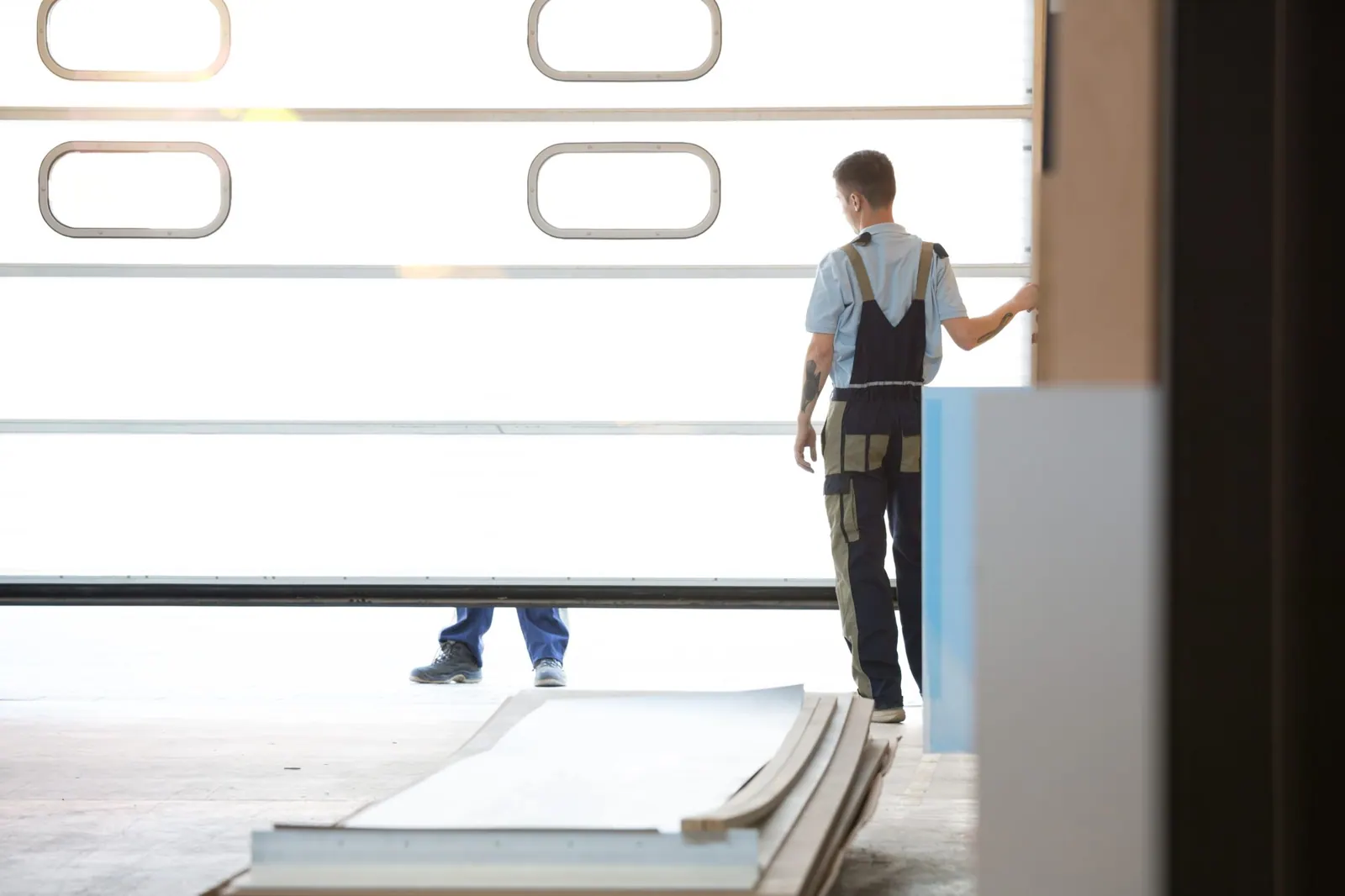
Technicians installing a large sectional overhead door in a commercial building
Commercial Garage Doors · Sussex, WI

Commercial overhead doors that keep your business moving

For shops, warehouses, service bays and storage facilities, a stuck overhead door means stalled work. We help keep sectional and rolling steel doors secure, reliable and safe.

Overhead doors are business-critical equipment

For many businesses, an overhead door isn’t a convenience — it’s the main way goods, vehicles and equipment move in and out. Auto repair shops, contractors’ shops, warehouses, fire and municipal buildings, agricultural buildings and self-storage facilities all depend on doors that open when needed and close securely at the end of the day.

Commercial doors also live harder lives than residential ones. They’re larger and heavier, they may cycle dozens of times a day, and they share space with forklifts, trucks and busy employees. Small problems escalate quickly under that load, which is why commercial door service emphasizes regular inspection and prompt repair.

Sectional overhead doors

Commercial sectional doors work on the same principle as residential doors — horizontal sections on rollers in tracks, counterbalanced by springs — but at a larger scale. They come in:

  • Steel doors, ribbed or flush, in non-insulated and insulated constructions.
  • Insulated doors for heated shops, warehouses and service bays.
  • Full-view aluminum doors with glass or polycarbonate panels, popular for showrooms, fire stations and restaurants.

High-lift and vertical-lift track systems let sectional doors clear overhead cranes, lighting and racking, and heavier-gauge hardware stands up to frequent use.

Rolling steel doors

Rolling doors use a curtain of interlocking steel slats that coil around a barrel above the opening. Because they need very little headroom and no ceiling tracks, they’re common on loading docks, storefronts, storage units and service counters. Rolling doors are counterbalanced by springs inside the barrel and may be operated manually by chain hoist or crank, or by a motorized operator.

Common rolling door issues include bent slats, worn bottom bars, damaged guides, broken barrel springs and operator faults.

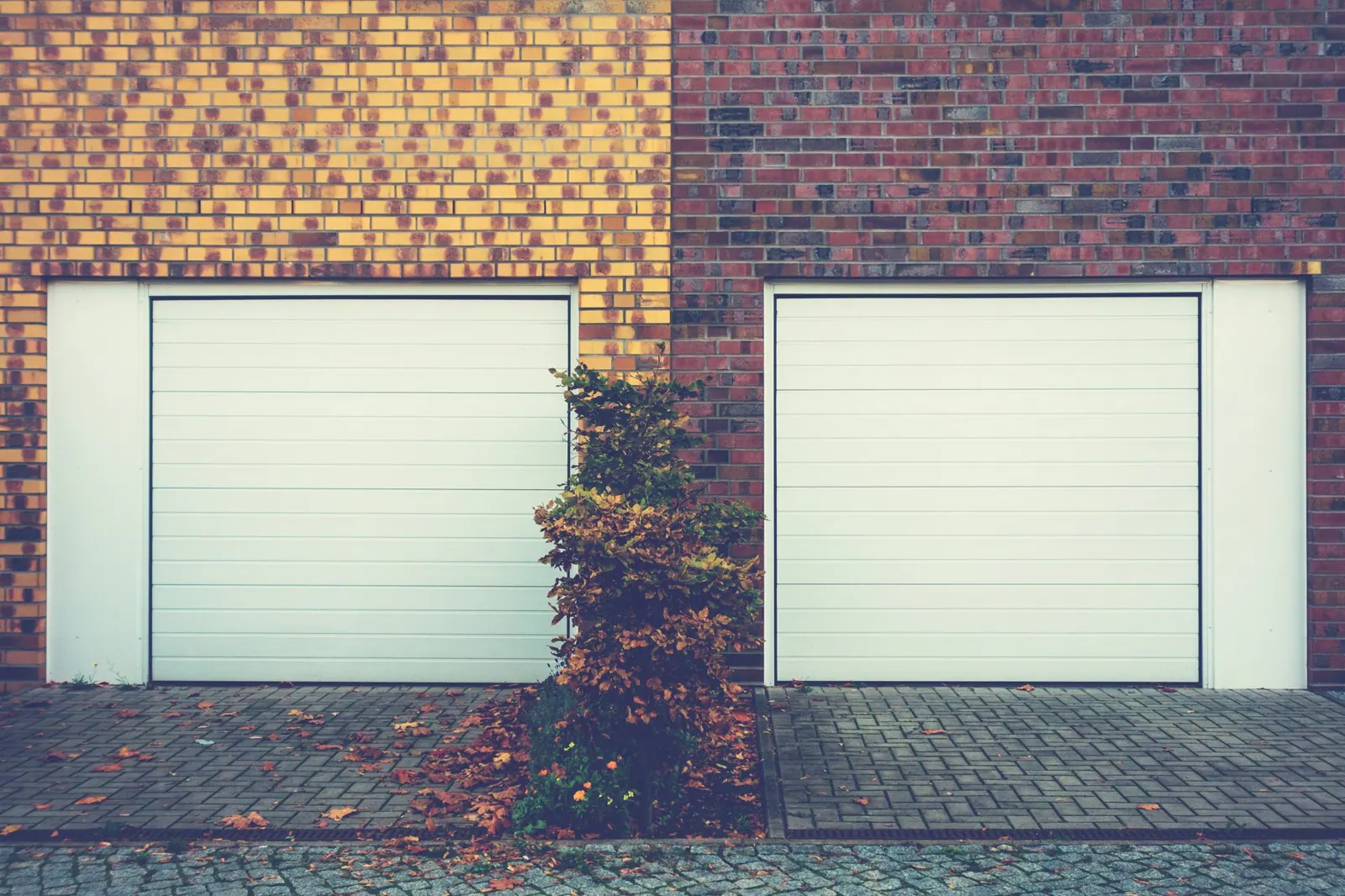
Commercial sectional doors on a brick building Commercial sectional doors face far more cycles and impacts than residential doors.

i. What to watch for

Commercial door problems that cost you time

Commercial doors cycle far more often than residential doors and take more abuse. These are the problems that most often interrupt operations.

01

Doors stuck open or closed

A door that won’t close is a security issue; one that won’t open stops deliveries, service work and shipping.

02

Forklift and vehicle impacts

Bent sections, damaged tracks and dented curtain slats are common in busy bays.

03

Worn springs on high-cycle doors

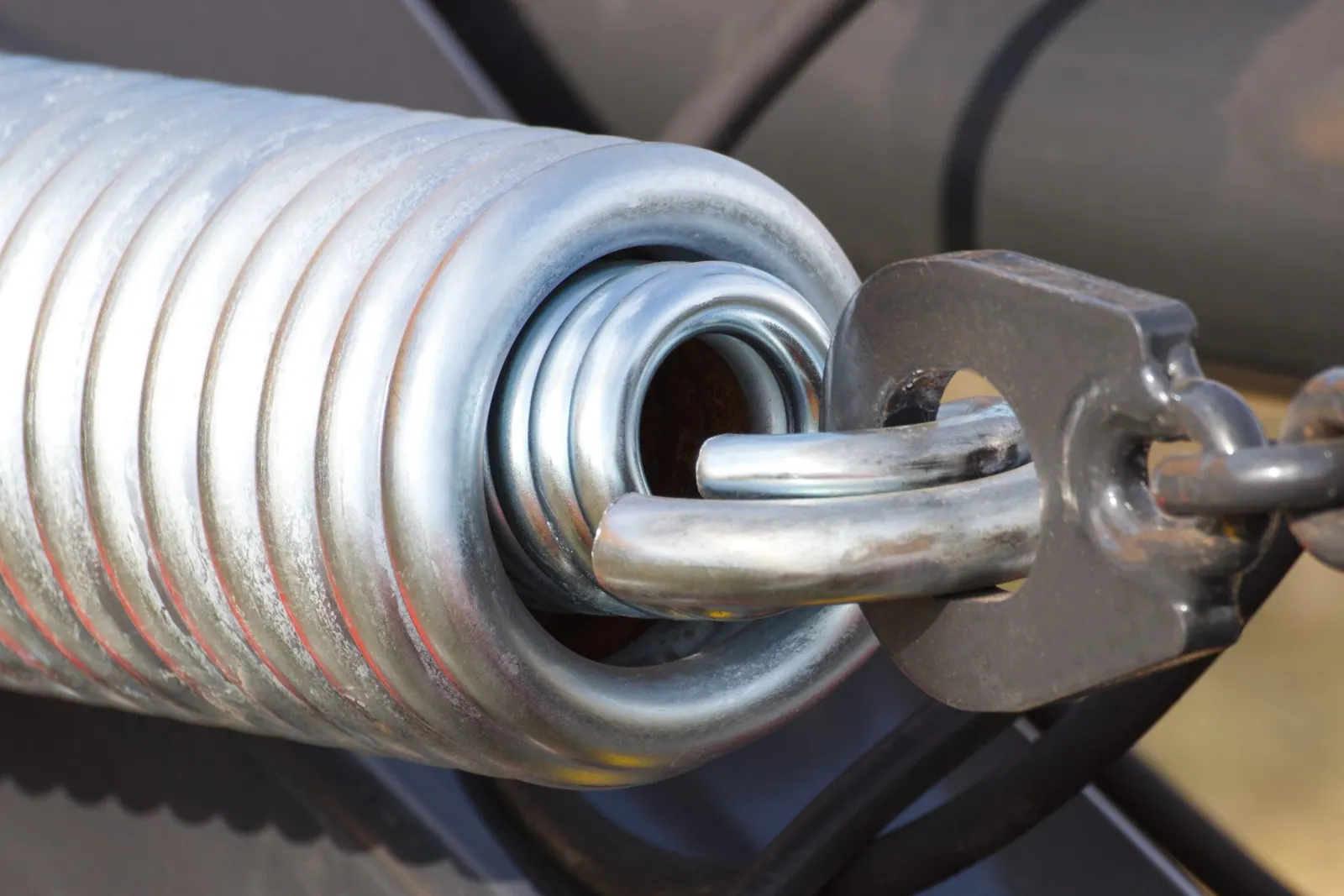
Doors that open dozens of times a day wear through spring cycles far faster than residential doors.

04

Operator faults

Commercial operators, limit switches and control stations fail and need diagnosis by someone familiar with them.

05

Drafts and heat loss

Damaged seals and uninsulated doors can make large openings a significant source of energy loss in winter.

06

Safety device failures

Photo-eyes, edge sensors and other safety devices must work reliably in spaces with employees and equipment.

Before & after

See the difference the right work makes

Drag the handle — or use your arrow keys — to compare.

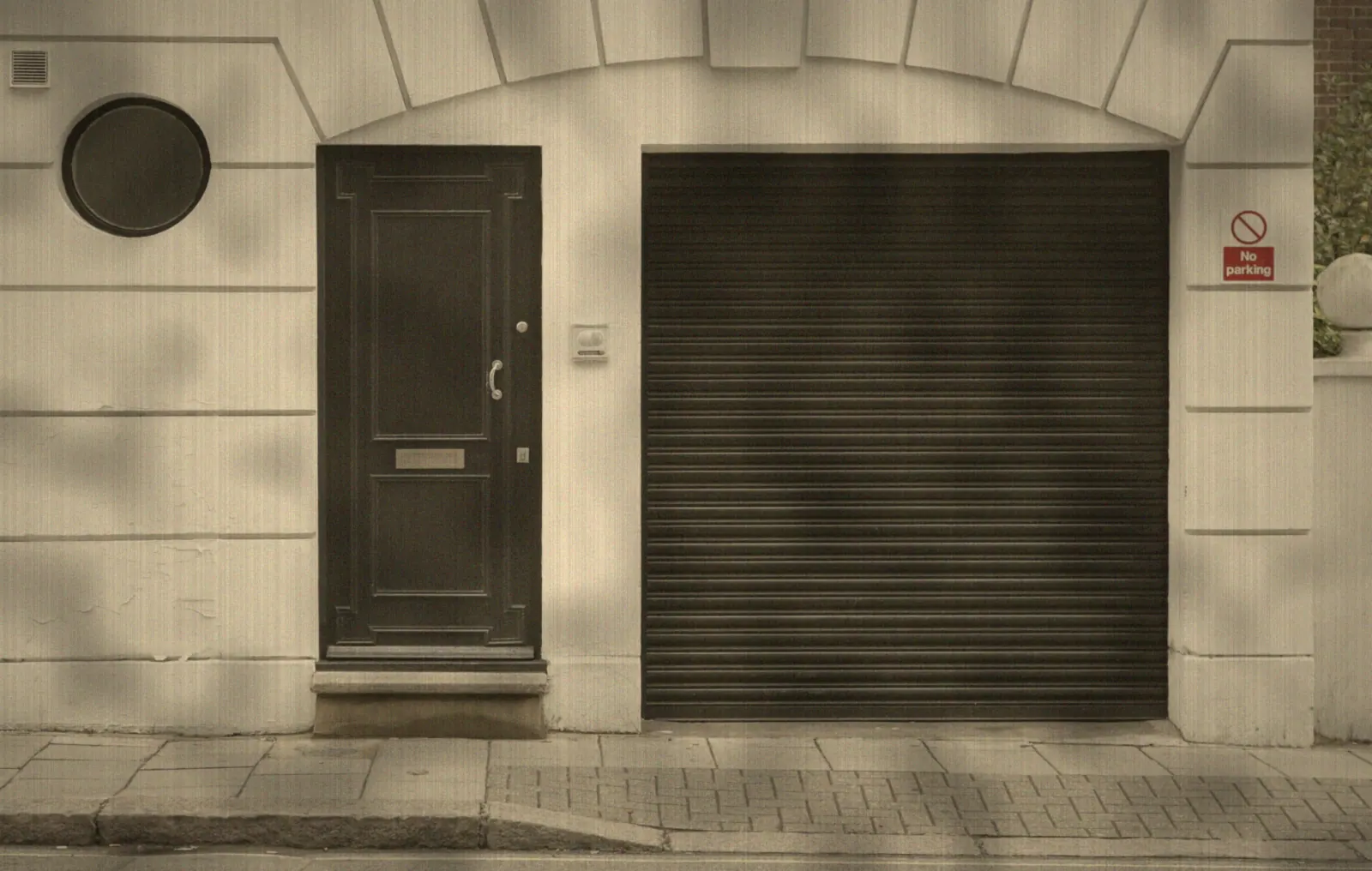
Weathered, grimy rolling steel door on a building facade (simulated condition)
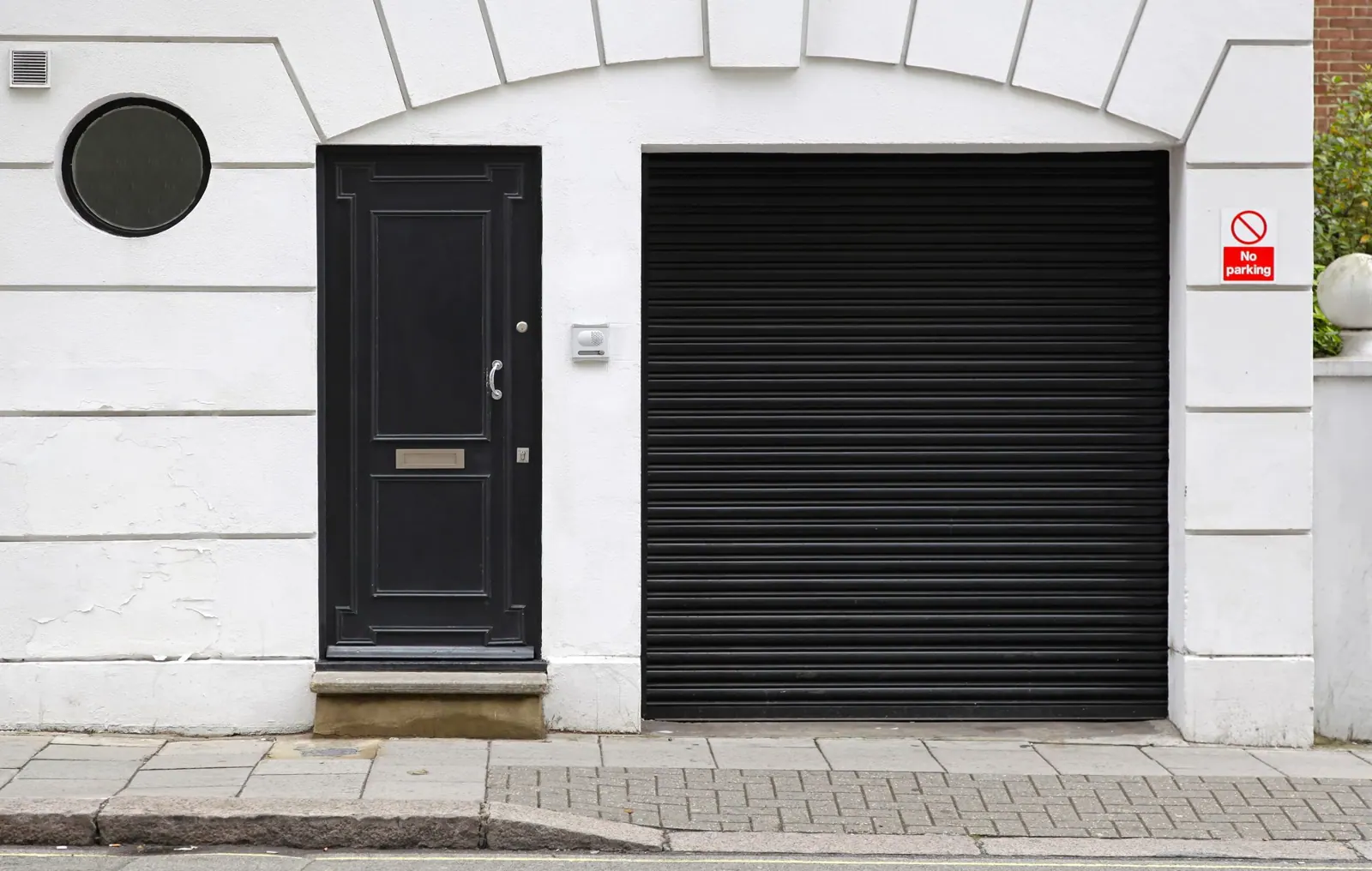
Clean black rolling steel door beside a white entrance
BeforeAfter
IllustrativeA tired, weathered rolling door versus the same opening with a clean, smoothly operating curtain. Illustrative concept: the “before” view is a digitally simulated condition of the same stock photo, not a customer project.

Commercial door operators

Commercial operators are built for heavier doors and higher duty cycles than residential openers. They may be trolley, jackshaft or hoist-type units, and they’re controlled by push-button stations, remotes, keypads, loop detectors or access-control systems. Safety devices — photo-eyes and reversing edges — are especially important in workplaces where employees and equipment move under the door.

When operators fail, the cause may be the motor, brake, limit switches, control board, wiring or the door itself. As with residential openers, a door that is out of balance or binding puts damaging strain on the operator, so we always assess the door first.

Common commercial repairs

  • Spring replacement on high-cycle sectional and rolling doors, including higher-cycle spring options where appropriate.
  • Track and guide repair after impacts.
  • Section and slat replacement for dented or buckled panels.
  • Cable and drum repair.
  • Bottom bar and astragal replacement to restore the seal at the floor.
  • Operator and control repair, including limit settings and safety devices.
  • Weatherseal replacement to reduce drafts at large openings.

Planned maintenance

Planned maintenance is the most effective way to reduce downtime. For high-use doors, a regular schedule catches worn rollers, fatigued springs and loose hardware before they cause a failure during working hours. A typical visit includes inspecting and lubricating moving parts, checking balance and spring condition, tightening hardware, inspecting cables and tracks, testing operators and safety devices, and noting anything that should be planned for.

Winter and commercial doors in Waukesha County

Large commercial openings lose a lot of heat when doors are damaged, poorly sealed or left open longer than necessary. Insulated doors, good perimeter seals and properly adjusted bottom bars help. Cold weather also stiffens hardware and can freeze bottom seals to the slab, especially at doors exposed to drifting snow. Salt and slush tracked in by vehicles corrode bottom sections, guides and track bottoms. Pre-winter maintenance helps keep commercial doors running through the season.

Talk to us about your facility

Every facility is different. When you contact us, let us know the type and size of your doors, how often they’re used, what operators and controls you have, and what’s happening. We’ll talk through what’s involved and how to schedule the work around your operations.

Choosing a commercial door for a new or renovated space

If you’re fitting out a new building or replacing doors during a renovation, a few questions narrow the options quickly. How often will the door cycle in a typical day? Is the space heated, and how much does heat loss matter? Do you need visibility into or out of the building? How much headroom is available above the opening, and what else needs that ceiling space — lights, sprinklers, cranes or racking? And what level of security does the opening require after hours?

High-cycle doors benefit from heavier-gauge sections, high-cycle springs and robust operators. Heated shops and warehouses usually justify insulated sections and good perimeter seals. Showrooms and restaurants often favor full-view aluminum doors. Openings with very limited headroom, or that need to stay compact, often point toward rolling steel. We’ll talk through each of these factors so the door you choose suits the way your building actually works, rather than just the size of the hole in the wall.

Keeping employees safe around overhead doors

Overhead doors in a workplace deserve the same attention as any other piece of moving equipment. A few practical habits help:

  • Keep the area under and around doors clear of pallets, carts and stored materials.
  • Make sure everyone who operates a door knows where the controls and the manual release are.
  • Report damage immediately rather than working around a bent track or dented section.
  • Test photo-eyes and reversing edges regularly, and never disable them to keep a door running.
  • Keep a simple log of service and repairs for each door so patterns are easy to spot.

Fire doors and specialty openings

Some commercial buildings include rolling fire doors or other specialty openings with their own inspection and testing requirements. If your facility has fire-rated doors, mention them when you contact us so we can discuss what’s involved and whether the work falls within the scope of the service you need.

ii. The visit

What to expect, step by step

Every job is different, but the rhythm of a good service call shouldn’t be. Here’s how a commercial garage door services visit typically unfolds.

Start with a request

Understand your operation

Door usage, hours, traffic and security needs shape how we approach service and scheduling.

Inspect and diagnose

Doors, springs, cables, tracks, operators and safety devices are inspected and tested.

Clear recommendations

You receive prioritized findings — what’s urgent, what can be planned, and the options for each.

Repair or install

Work is scheduled to minimize disruption, and damaged components are repaired or replaced.

Test and document

Doors are tested through full cycles, safety devices verified and work documented for your records.

Plan maintenance

For high-use doors, we can recommend a maintenance interval suited to your cycle counts.

iii. FAQ

Commercial Garage Door Services questions

Straight answers to the things Sussex homeowners and business owners ask most about commercial garage door services.

Common commercial door types include sectional overhead doors (steel, insulated and full-view aluminum) and rolling steel doors and grilles. When you contact us, describe the door type, size and operator so we can confirm what’s involved before scheduling.

It depends on use. Doors that cycle many times a day benefit from more frequent inspections than doors opened only occasionally. Many businesses schedule maintenance quarterly or semi-annually for busy doors, and at least annually for others.

Many manual sectional and rolling doors can be motorized with a commercial operator, provided the door is in good condition and properly balanced. The operator is selected based on door size, weight and usage.

Ask about scheduling when you request service. We’ll work with you to plan repairs in a way that minimizes disruption to your operations wherever possible.

Stop using the door, keep people clear of it and secure the area if possible. Impacts can damage springs, cables and tracks under tension. Contact us with photos and a description so we can assess the urgency.

Free estimates

Ready to talk about commercial garage door services?

Tell us what the door is doing — or not doing — and we’ll follow up to talk through options and set up a visit. Estimates are free.