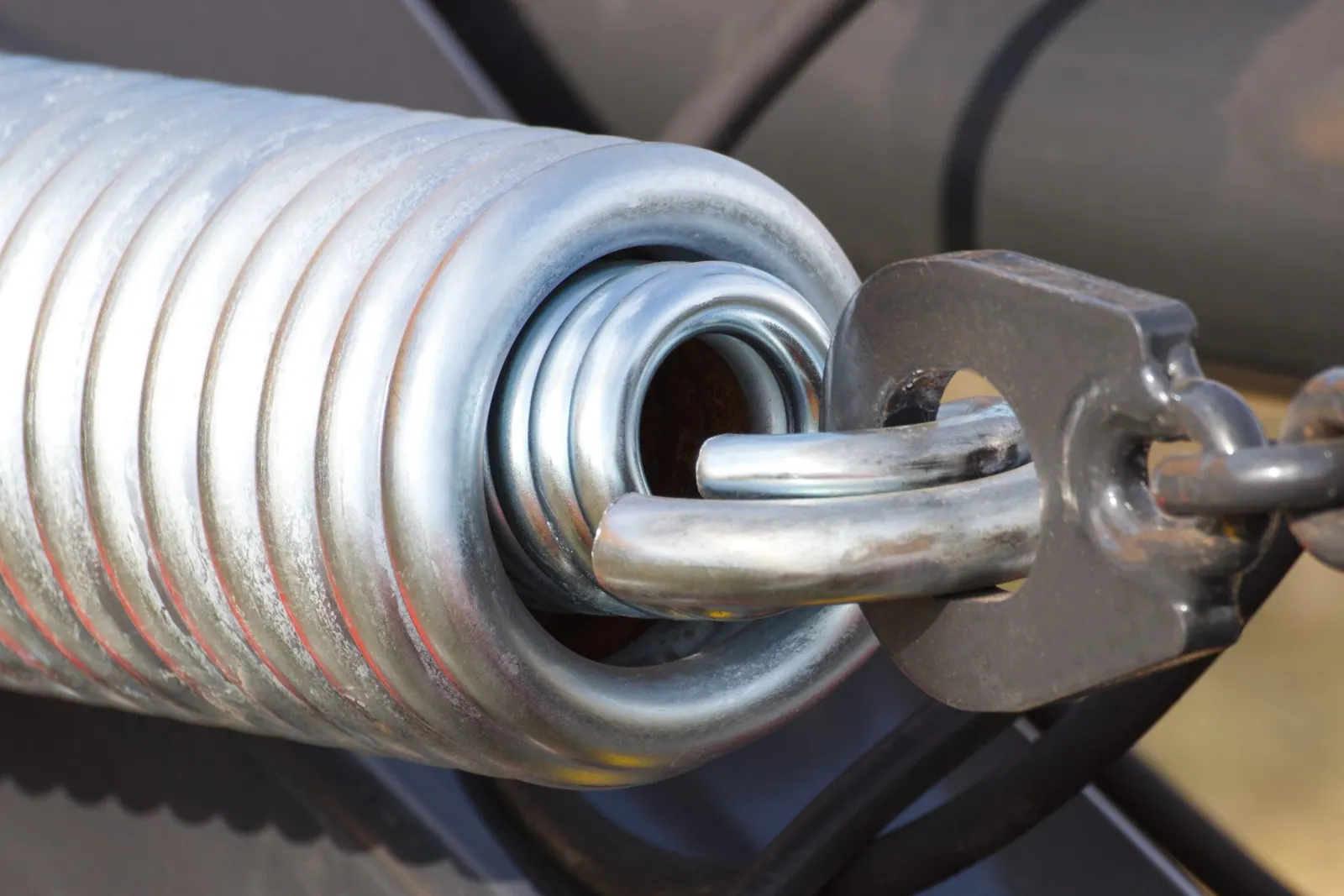
Chain, belt and screw drives
Chain-drive openers are robust and widely used, but they’re the noisiest type. Chains stretch over time and need occasional tension adjustment and lubrication. Belt-drive openers use a reinforced rubber belt and are much quieter — popular when there’s a bedroom above or beside the garage. Screw-drive openers use a threaded rod with few moving parts; they can be sensitive to temperature extremes and benefit from correct lubrication. Many newer openers also include DC motors with soft start and stop, which are gentler on the door.
Repairs we commonly make
- Gear and sprocket replacement — nylon drive gears wear and strip, especially when the opener has fought an unbalanced door.
- Chain and belt adjustment or replacement — removing slack that causes slapping and jerky starts.
- Logic board replacement — for units damaged by surges or failing electronics, when parts are available.
- Capacitor replacement — on AC motors that hum but won’t start.
- Travel limit and force adjustment — correcting doors that stop short, overrun or reverse.
- Rail and mounting repair — tightening or reinforcing the header bracket and ceiling hangers.
- Sensor alignment and wiring — the most common cause of unexplained reversals. See sensors, remotes & keypads.
Cold weather and openers
Openers in unheated Wisconsin garages work harder in winter. Lubricant on the rail and screw drives stiffens, door hardware gets stiffer, and seals may freeze to the floor. Some openers sense the extra resistance and reverse. Others strain until a gear strips. A pre-winter tune-up — lubricating the drive with a cold-appropriate product and confirming the door is balanced — prevents many winter service calls.
Repair or replace the opener?
We’ll recommend repair when the opener is relatively modern, has working safety sensors and needs a reasonably priced part. We’ll talk about replacement when:
- The opener predates photo-eye safety sensors.
- Parts are no longer available.
- Repair costs approach a significant portion of a new unit.
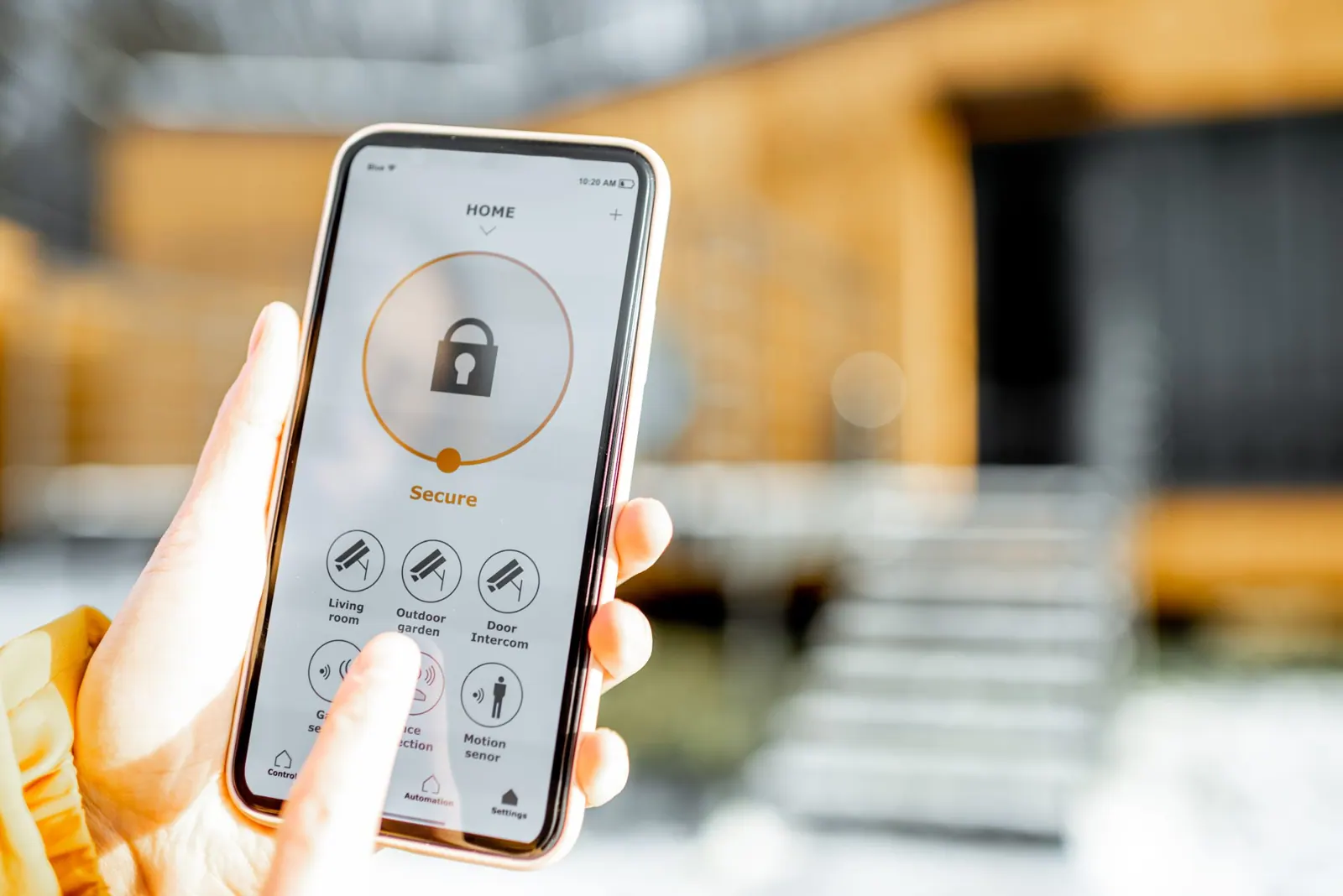
- You want features the old unit lacks — quieter belt drive, battery backup, smart-home control.
If replacement is the better option, our opener installation page covers what’s involved.
Quick checks before you call
- Is the opener plugged in, and is the outlet live? Check breakers and GFCI outlets.
- Has the emergency release been pulled? The trolley may simply need re-engaging.
- Are the photo-eye sensors clean, aligned and showing steady indicator lights?
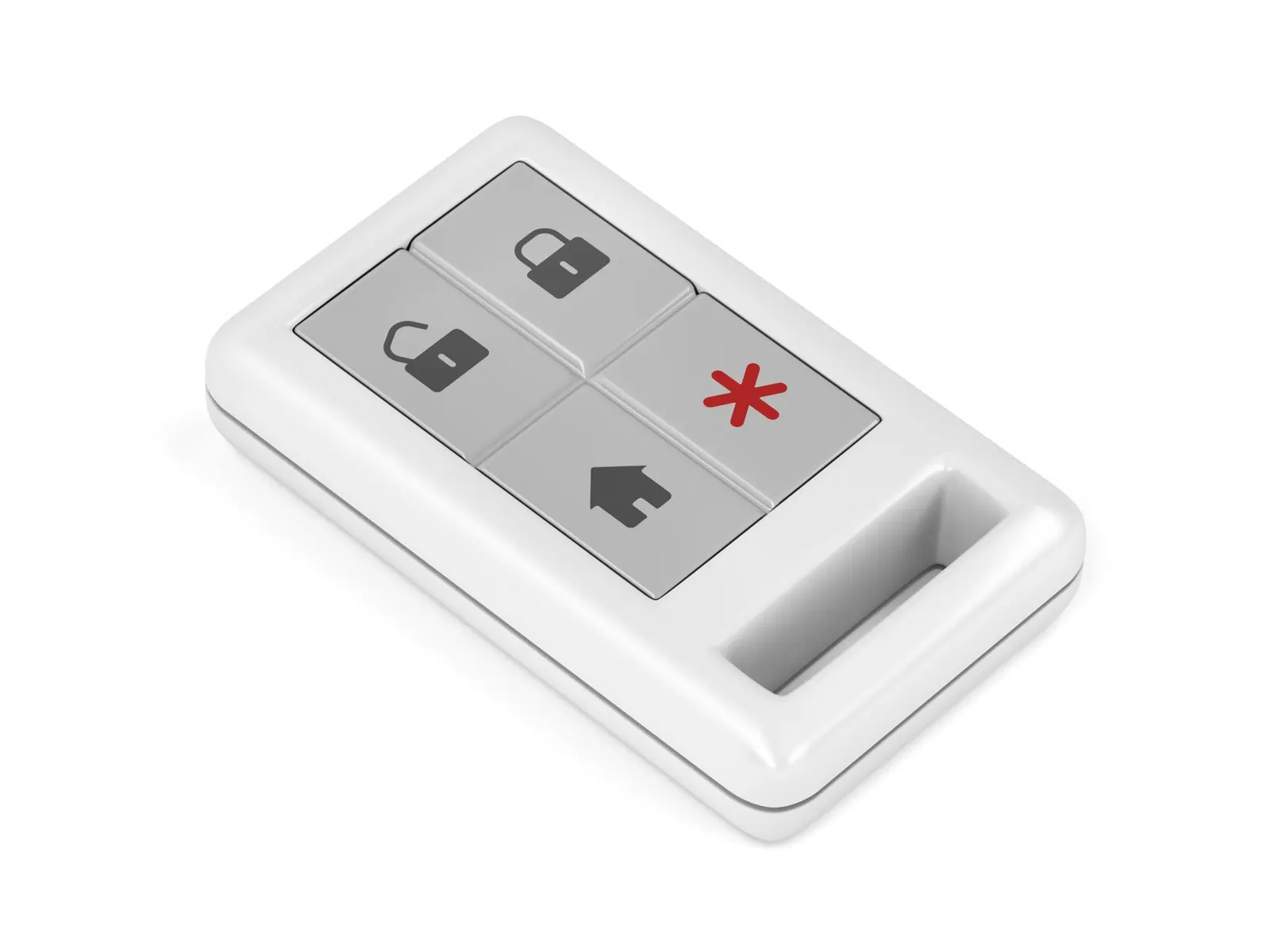
- Does the wall button work when the remote doesn’t? Try a fresh remote battery.
- Is the lock/vacation feature on the wall control turned on?
Know your opener’s safety features
Openers manufactured to current safety standards include a monitored photo-eye system and contact reversal. If your opener lacks photo-eye sensors entirely, or if they have been removed or bypassed, the opener is not providing the protection families expect. That alone is a strong reason to consider replacement rather than repair. During any opener repair, we confirm these features are present and working before the job is considered complete.
Openers and the rest of the door system
An opener can only be as reliable as the door it’s attached to. Worn rollers, a dry track, a cracked hinge or a spring losing tension all increase the effort required to move the door, and the opener feels every bit of it. That’s why an opener repair visit often includes recommendations for the door as well. Addressing those issues reduces strain on the opener’s gears, motor and drive and helps the repair last.
Lights, wall controls and small electrical issues
Some opener complaints are purely electrical. A wall control that works intermittently may have a damaged wire or a loose terminal. Opener lights that flicker or burn out quickly may have the wrong bulb type, or the bulb may be causing radio interference that affects remote range. Light covers can trap heat. These are usually quick fixes, but they’re worth checking during any opener service so the whole system is working as intended.
When an opener is repaired, we finish by running the door through several complete cycles, testing both reversal systems and checking that remotes and the wall control respond reliably. If anything about the door’s balance or hardware looks likely to cause trouble for the opener in the near future, we’ll mention it then, so there are no surprises later in the season.

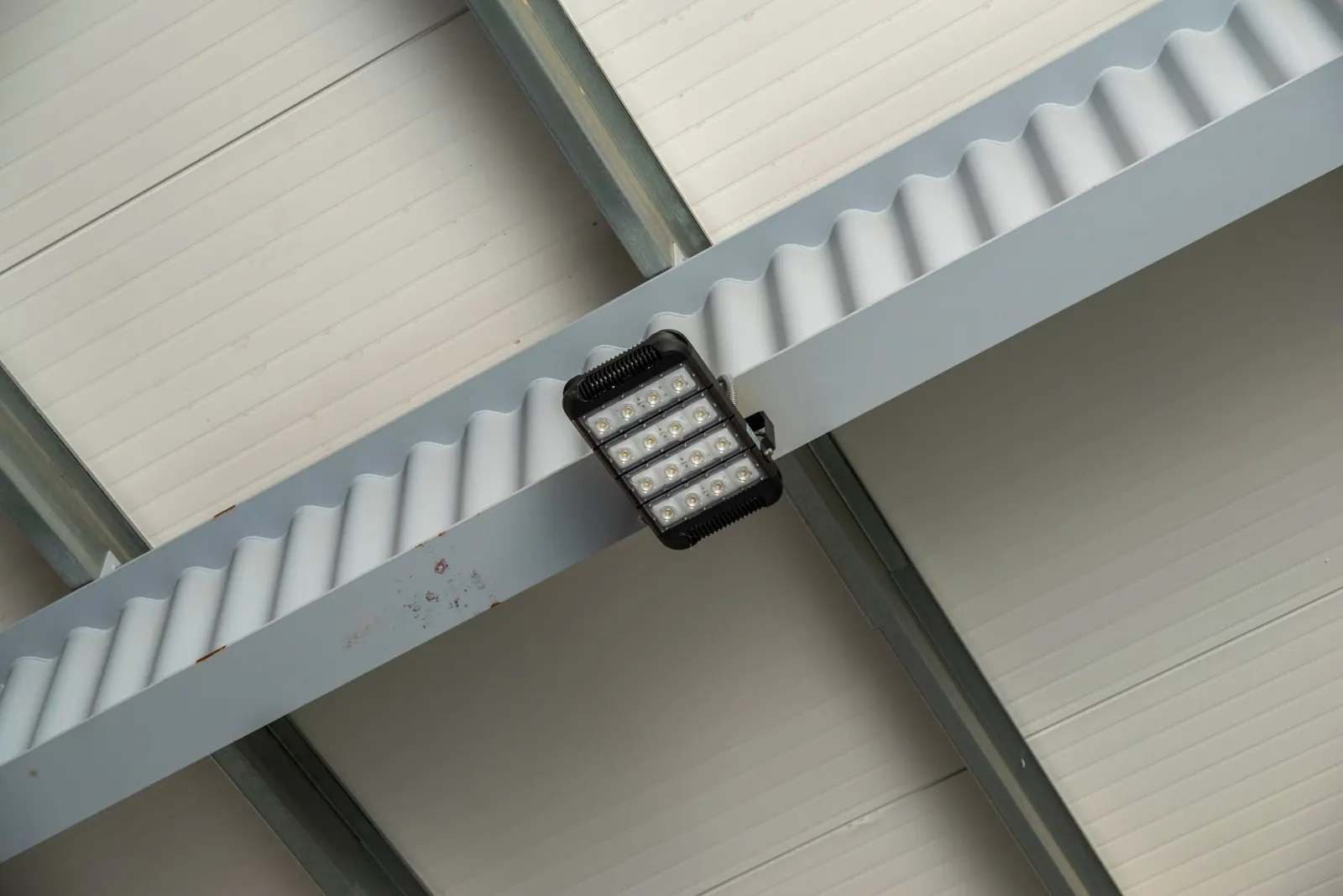 Rail, drive and trolley wear show up as noise, slop and uneven travel.