Smart features worth considering
Many current openers include built-in Wi-Fi or can be connected with an add-on module. Useful features include:
- Remote open and close from your phone, with confirmation that the door is actually closed.
- Alerts when the door opens, closes or has been left open.
- Scheduled closing at a set time each night.
- Guest and delivery access without sharing a code or remote.
- Activity history so you can see when the door was used.
Detached garages may need a Wi-Fi extender for a reliable connection. Smart features don’t replace the essentials — a good wall control, reliable remotes and a working safety system.
Battery backup
Power outages happen, and they often coincide with storms and the worst weather. An opener with battery backup can keep working for a limited number of cycles while the power is out. If your garage is the main entrance to your home, or someone in the household relies on the garage for accessibility, backup power is worth considering.
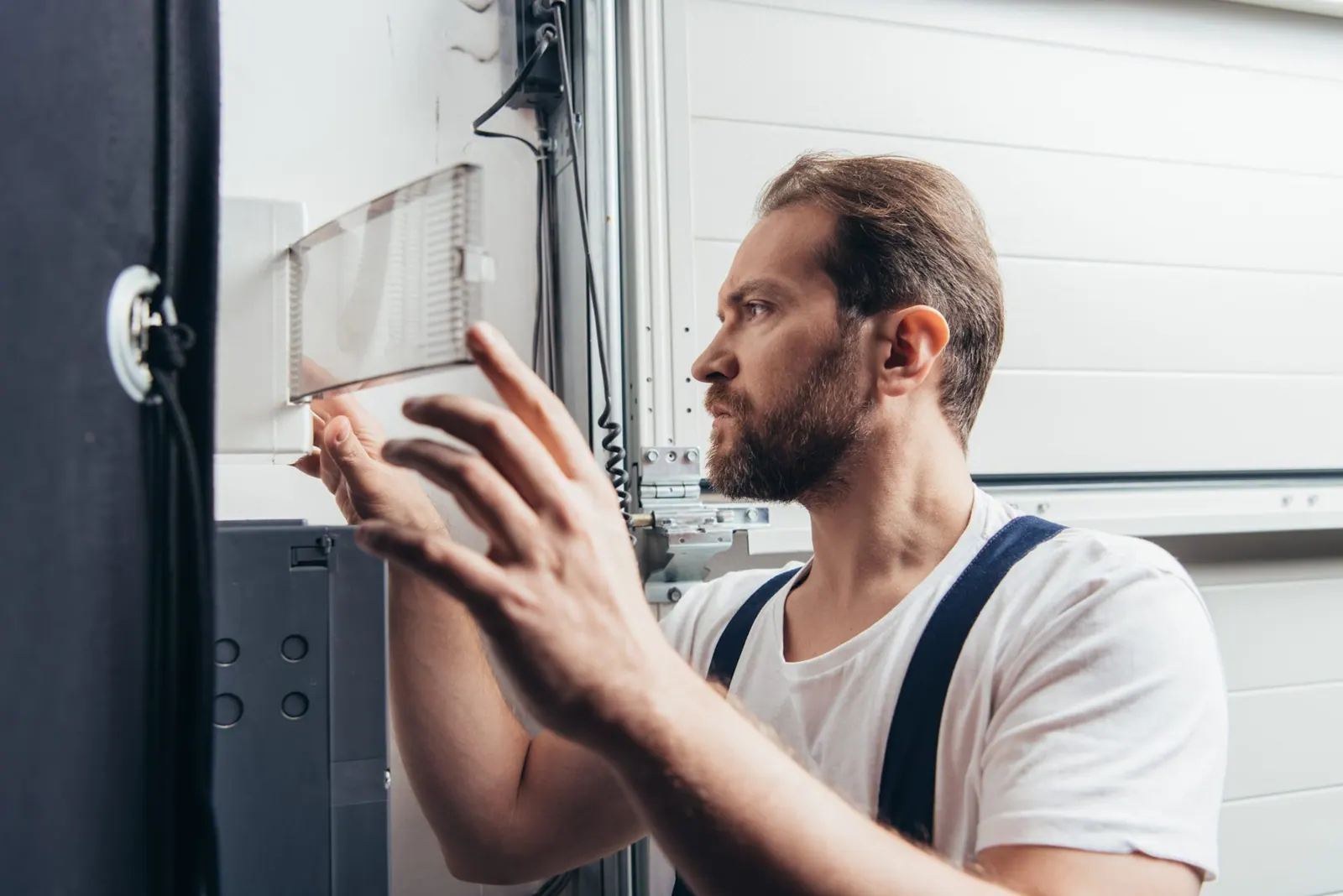
What a professional installation includes
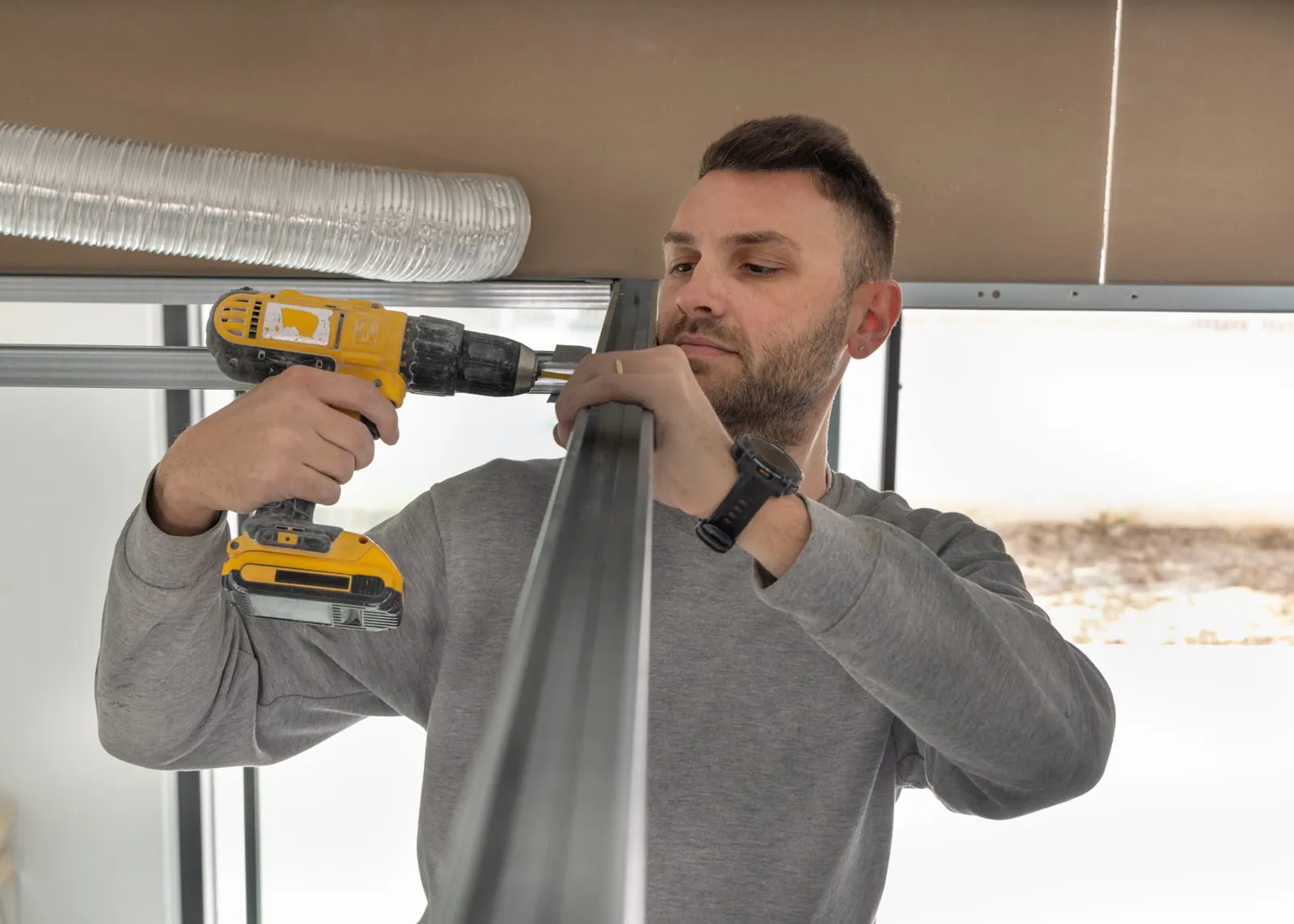
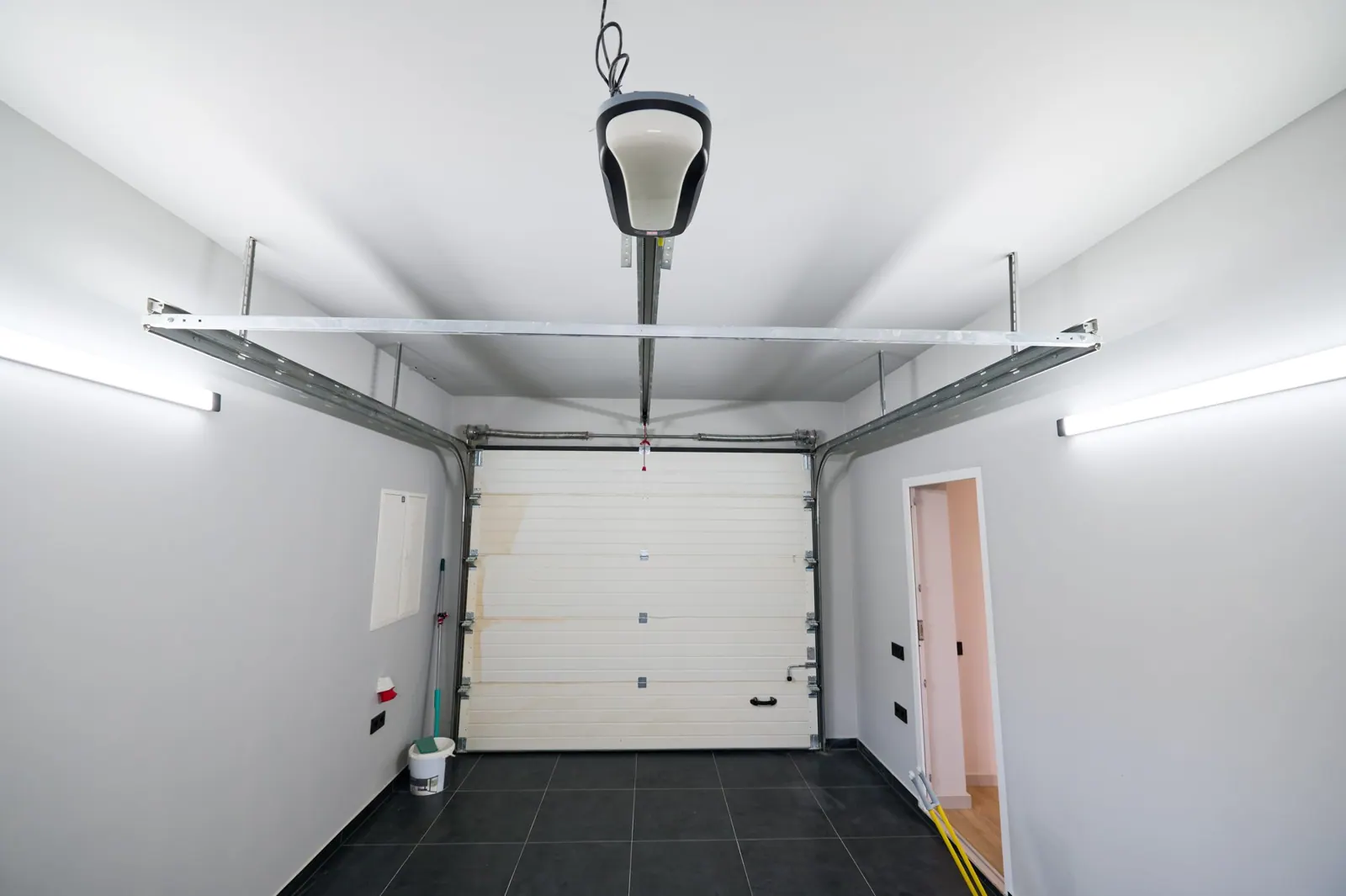
- Solid mounting. The header bracket is fastened to the framing above the door, and ceiling hangers are anchored to joists or blocking, not drywall alone.
- Rail alignment. The rail is centered on the door and set at the correct height so the door arm pulls at the right angle.
- Safety sensors. Photo-eyes are mounted near the floor on each side, aligned and wired cleanly so they won’t be bumped.
- Wall control placement. Mounted out of children’s reach and with a clear view of the door.
- Limits and force. The door opens fully, closes fully onto the seal and reverses on contact with an obstruction.
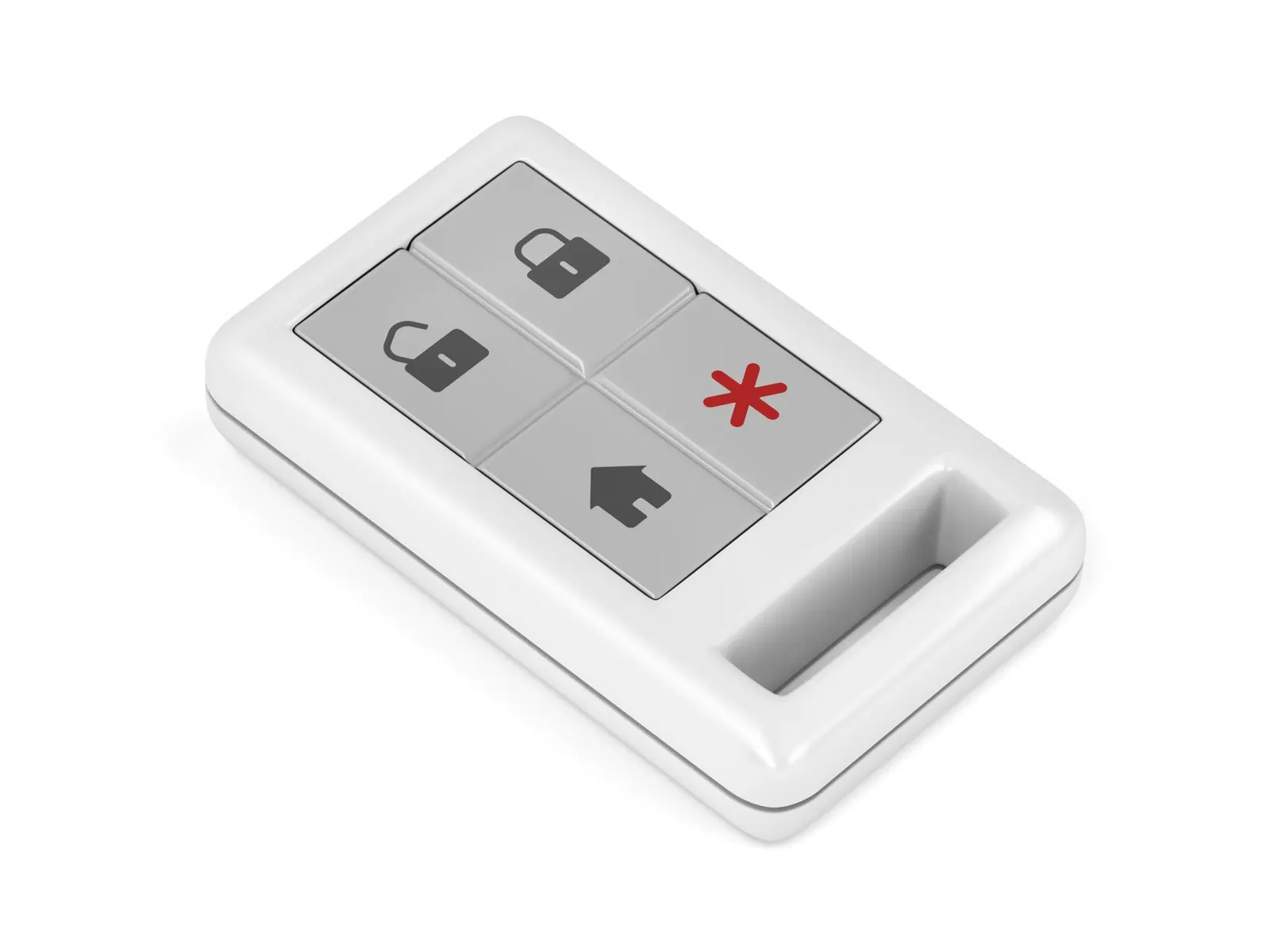
- Remotes and keypads. Programmed and tested, including any existing car-based remote systems where compatible.
- Manual release. We show you how to use it, and when not to.
Cold-weather considerations in Sussex
Openers in unheated Wisconsin garages face stiff lubricants, stiff seals and doors that may be frozen to the floor. DC motor openers with soft start reduce shock on the drive. We set force no higher than necessary so that a frozen-down door causes the opener to reverse rather than strip a gear or bend a section. And we mount sensors where snow kicked off a car is less likely to block them.
Safety first
Every opener we install is tested for photo-eye reversal and contact reversal before we leave. We recommend testing both monthly. If the door ever fails to reverse, stop using the opener until it’s checked — our opener repair page explains common causes.
Matching the opener to the door
A single-car steel door and a wide insulated or wood double door place very different demands on an opener. Heavier doors benefit from a more capable motor and a sturdy drive, while lighter doors run well on standard units. Tall doors need longer rails or a wall-mount unit; doors with high-lift tracks often require a jackshaft opener. Low ceilings may limit rail placement. We take all of this into account rather than installing the same model in every garage.
It’s also worth thinking about who uses the garage and how. Households that come and go many times a day may value a quieter belt drive and a durable motor. Families with teenagers driving might appreciate alerts when the door is left open. If someone in the home relies on the garage for accessible entry, battery backup and a reliable keypad become more than conveniences.
Wall controls and accessories
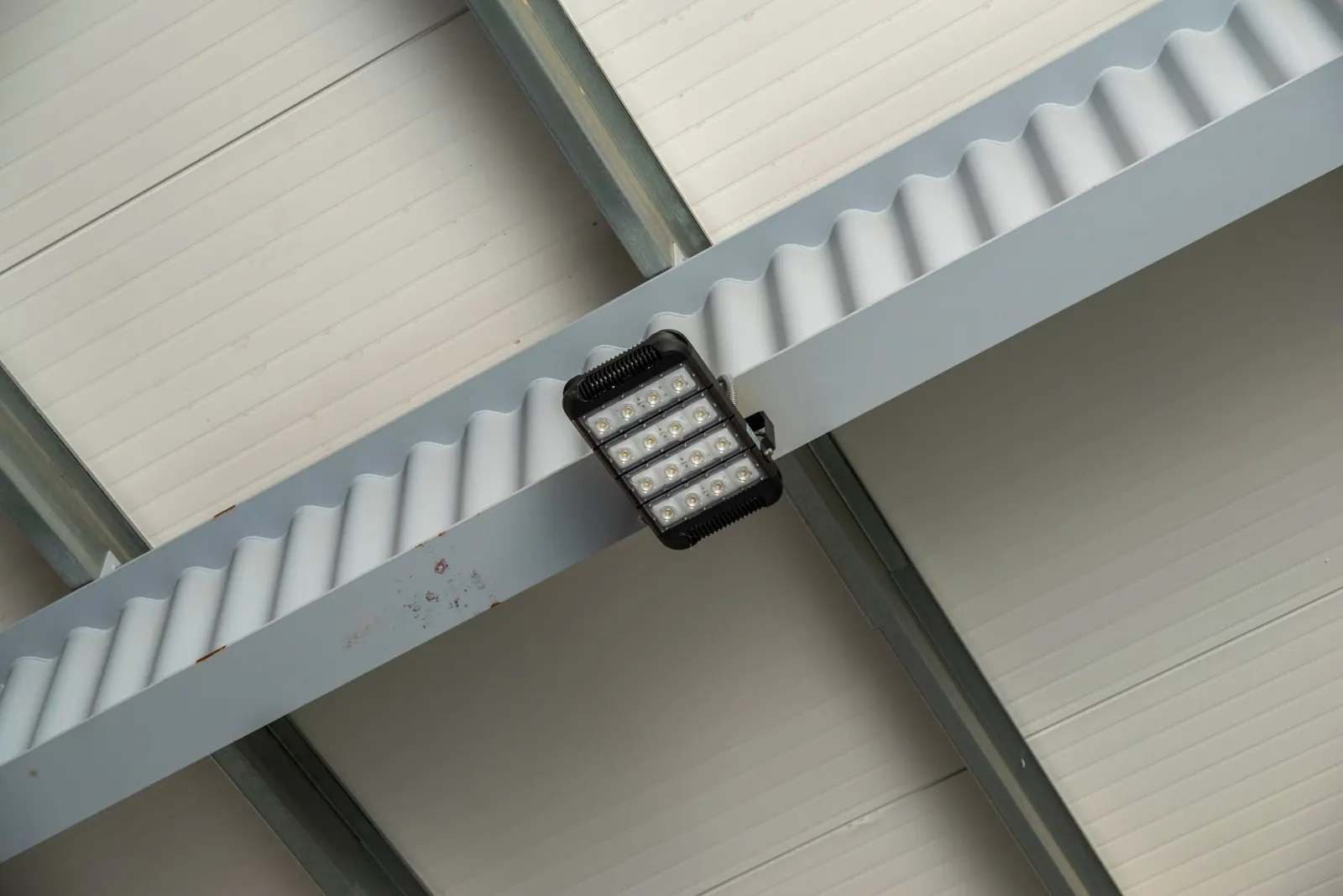
The wall control is the part of the system you’ll use most. Modern wall controls often include a light button, a lock or vacation mode, and in some cases a display or motion-activated lighting. Accessories such as additional remotes, exterior keypads, car-integrated controls and parking aids can be added at installation. We’ll make sure everything is programmed, tested and explained before we leave, so the whole household knows how the system works.
We’ll also take the old opener down carefully and leave the garage tidy, with wiring neatly routed and any ceiling holes from the old mounting points noted.
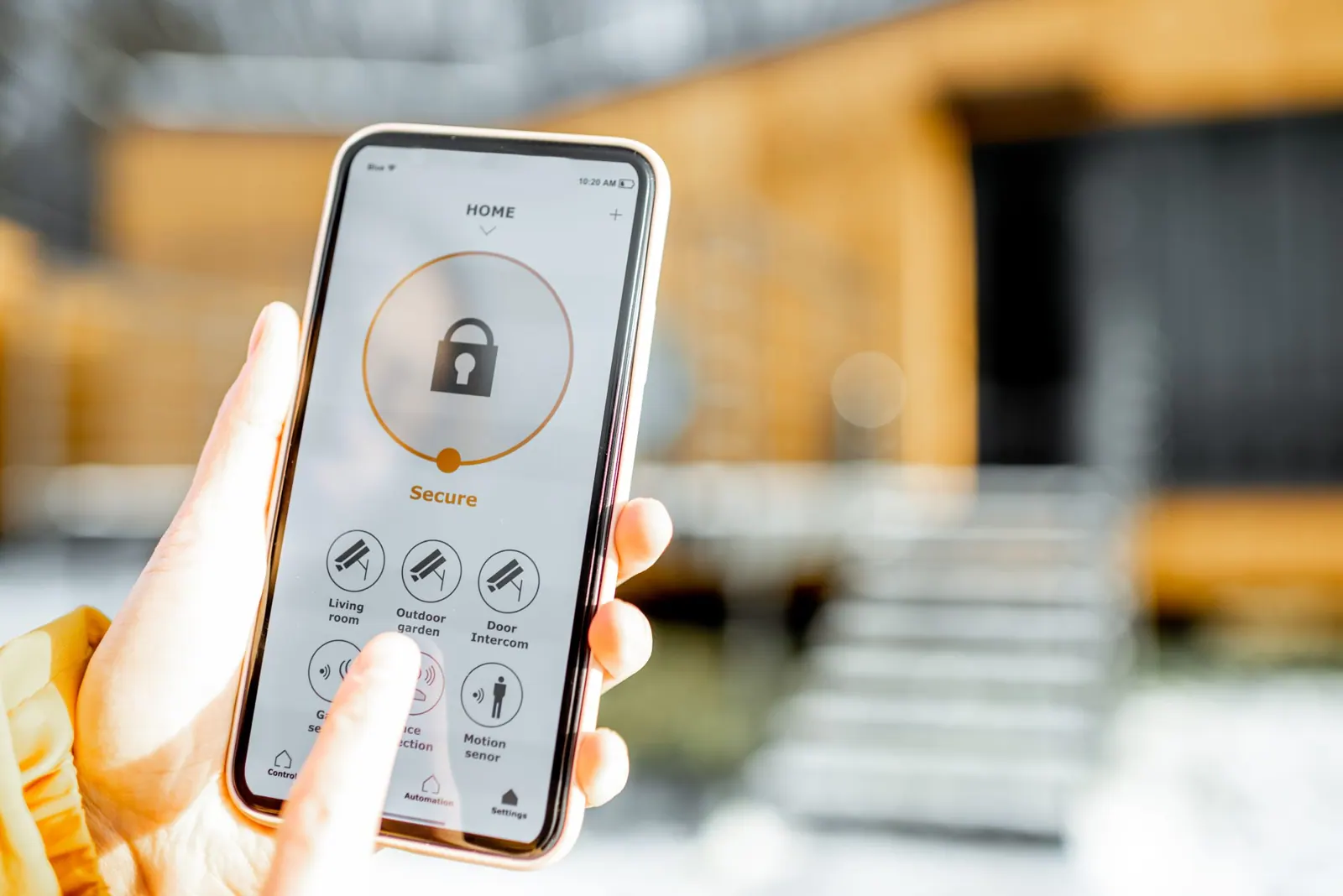 Smart control lets you check and close the door from anywhere and share access without handing out remotes.