Garage Door Installation · Sussex, WI

New garage door installation, measured and fitted with care

A new door changes how your home looks, how your garage feels in January and how quietly everything runs. Getting there takes good choices up front and careful work on install day.

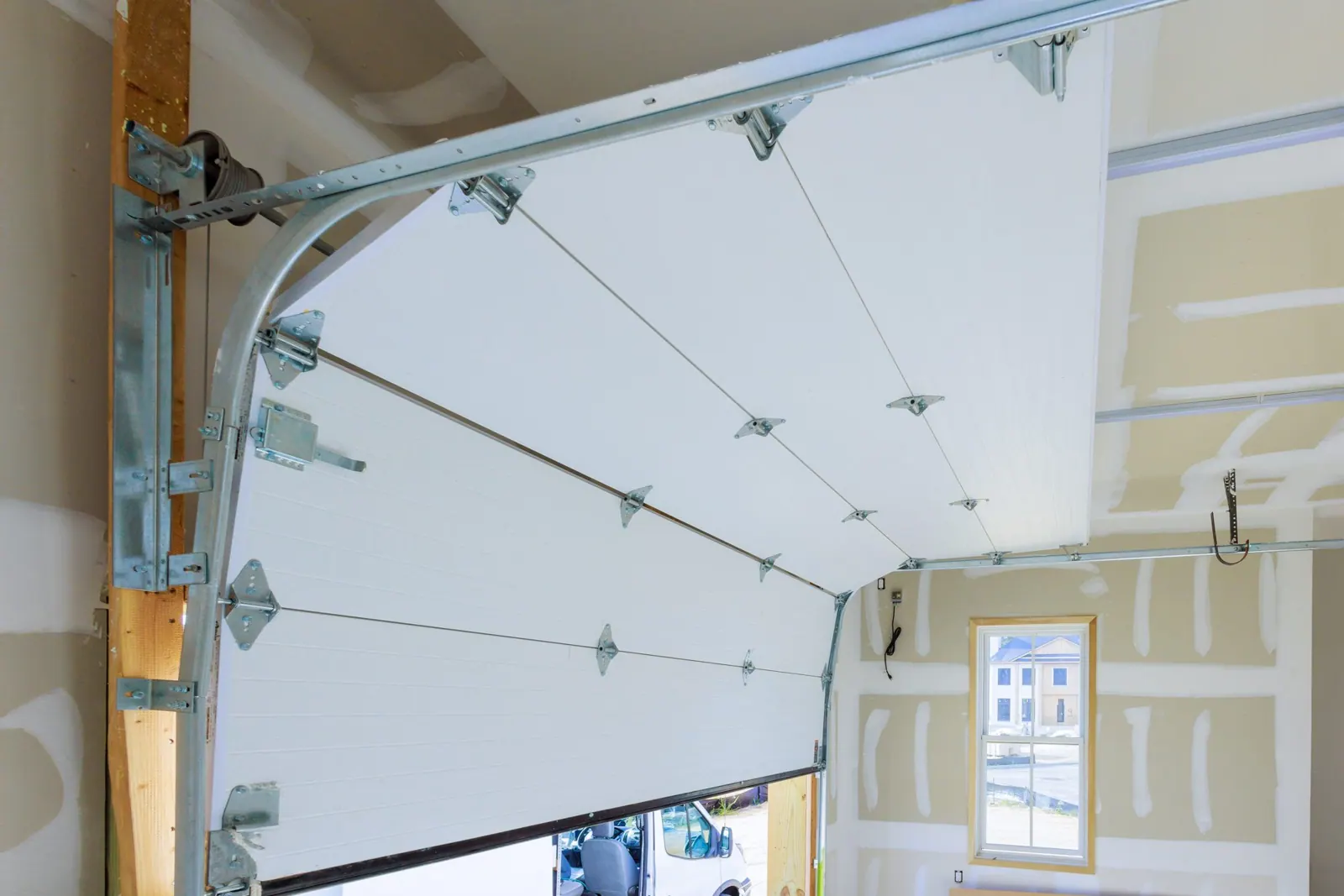
Interior view of a white sectional garage door being installed on new tracks

Start with how you actually use the garage

Before talking about colors and window inserts, it helps to answer a simpler question: what happens in your garage? A garage that only shelters two cars has different needs from one that doubles as a woodshop, a home gym, a kids’ hangout or a place to store a boat over the winter. Those uses shape almost every decision that follows — how much insulation makes sense, whether you want windows for daylight, how quiet the door and opener should be, and whether the opener should have battery backup or smart-home control.

It is also worth thinking about the rooms around the garage. In many Sussex homes, a bonus room or bedroom sits above the garage, and an uninsulated door can make that space noticeably colder in winter and warmer in summer. In others, the garage is the main entry to the house, so the door is used far more than the front door.

Choosing the right door

Materials

Steel is the default for good reason. It is strong, relatively light, holds paint well and comes in single-, double- and triple-layer constructions. Wood is beautiful and authentic, especially on older or craftsman-style homes, but it requires periodic sealing or painting to stand up to Wisconsin moisture. Wood-look steel and composite doors offer the grain and warmth of wood with far less upkeep. Aluminum and glass full-view doors are increasingly popular on modern homes and can bring a lot of light into a garage, though they typically insulate less than a solid insulated steel door.

Construction and insulation

Single-layer doors are simply a steel skin. Two-layer doors add insulation to the back. Three-layer doors sandwich insulation between two steel skins, creating a stiffer, quieter and more thermally efficient door. Insulation is rated by R-value — a higher number indicates more resistance to heat flow — but the overall result also depends on the seals around the door, which is why we pay attention to weatherstripping on every install.
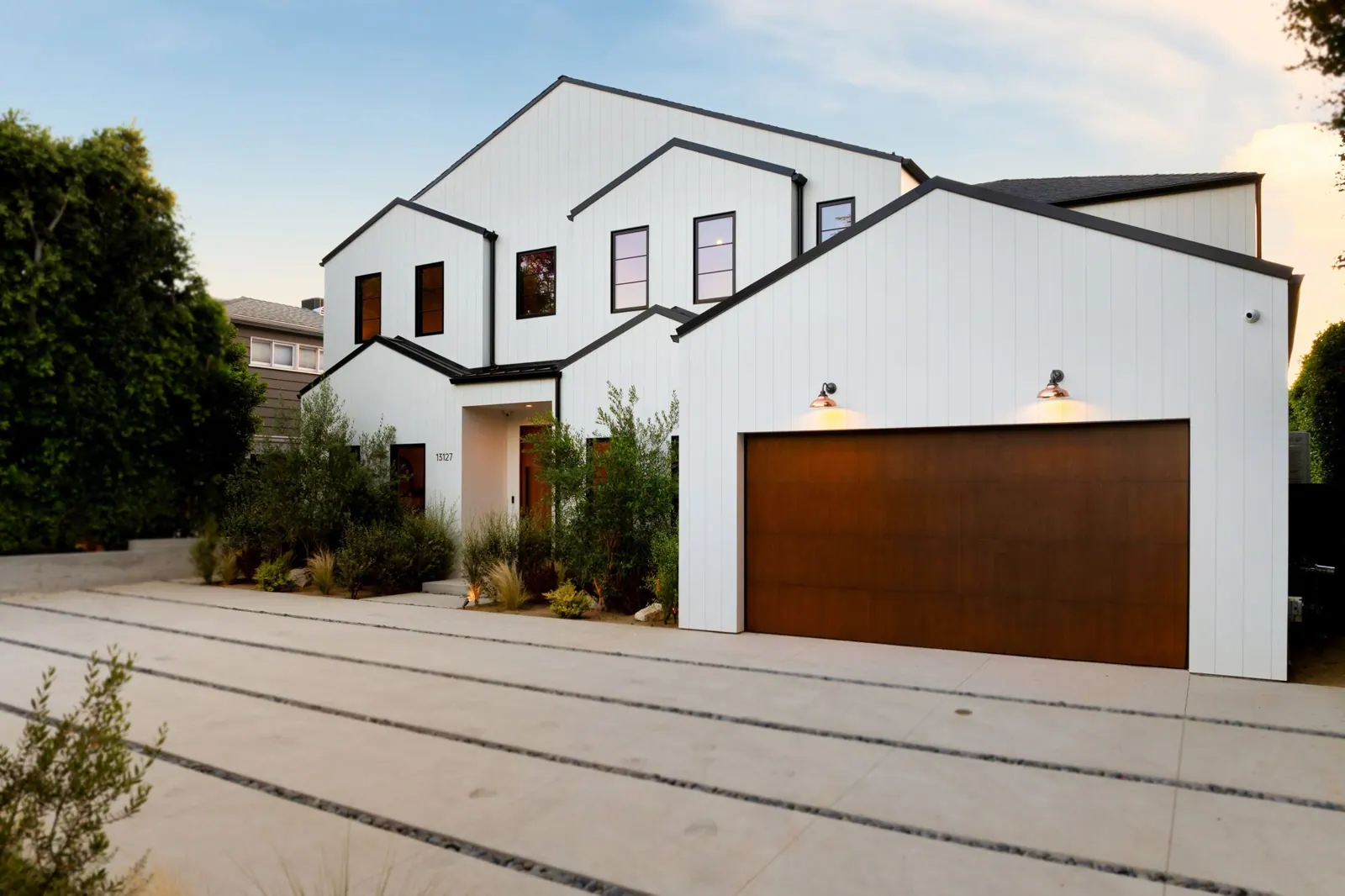
Modern home with a warm wood-tone garage door Material and finish choices change how the whole front of the house reads.

Style

Traditional raised-panel doors suit colonials and ranches. Carriage-house doors bring a handcrafted look with decorative hardware. Flush and long-panel designs fit contemporary homes. Our custom garage door page goes deeper into styles.
i. What to watch for

When a new installation makes sense

New installation isn’t only for new construction. These are the situations where homeowners most often decide it’s time.

01

New construction or an addition

A newly framed opening needs a door, tracks, springs and an opener sized to that specific opening and headroom.

02

Converting a carport or outbuilding

Enclosing a carport or finishing a detached garage often means installing a door where there wasn’t one before.

03

Your current door can’t be economically repaired

When repairs keep stacking up, money is usually better spent on a complete, correctly matched system.

04

The garage has become living space

Workshops, home gyms and heated garages benefit from an insulated door with good seals on all four sides.

05

You want a different look

A door can make up a large share of a home’s front elevation, so a new style changes curb appeal dramatically.

06

Safety features are outdated

Older systems may lack pinch-resistant section joints or a properly matched spring setup. A new install brings everything up to current practice.

Before & after

See the difference the right work makes

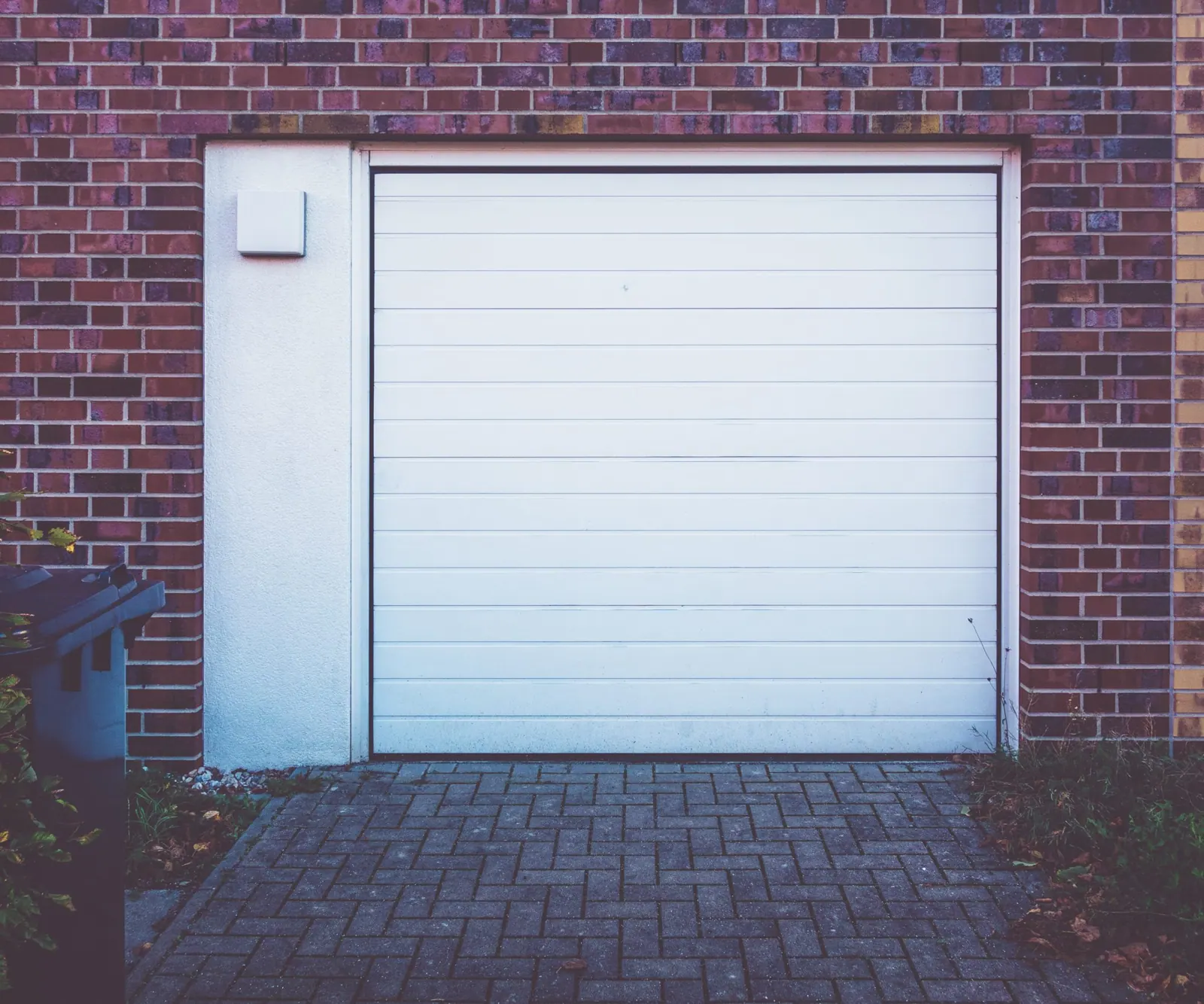
Garage door sections and tracks mid-installation inside a garageBefore
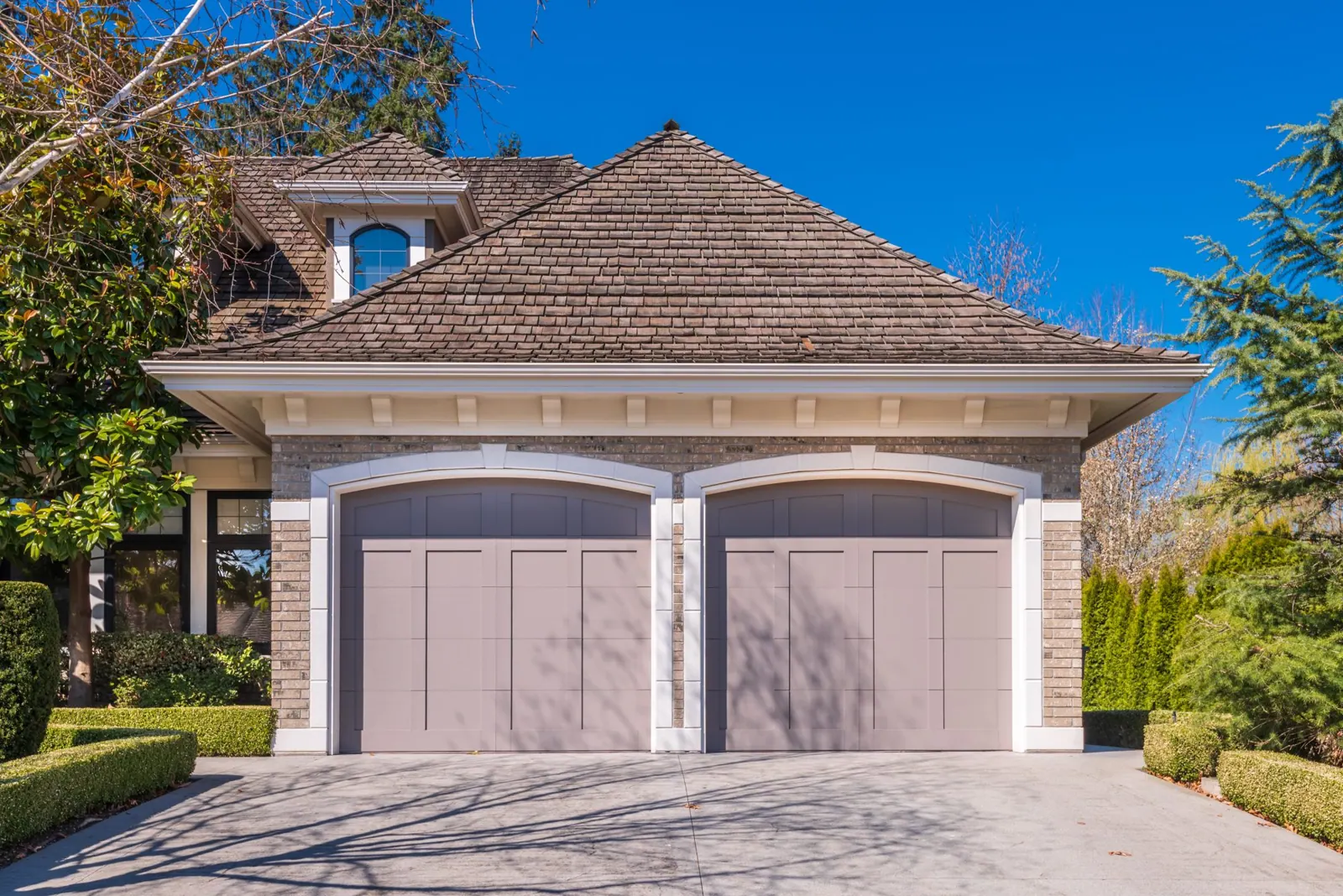
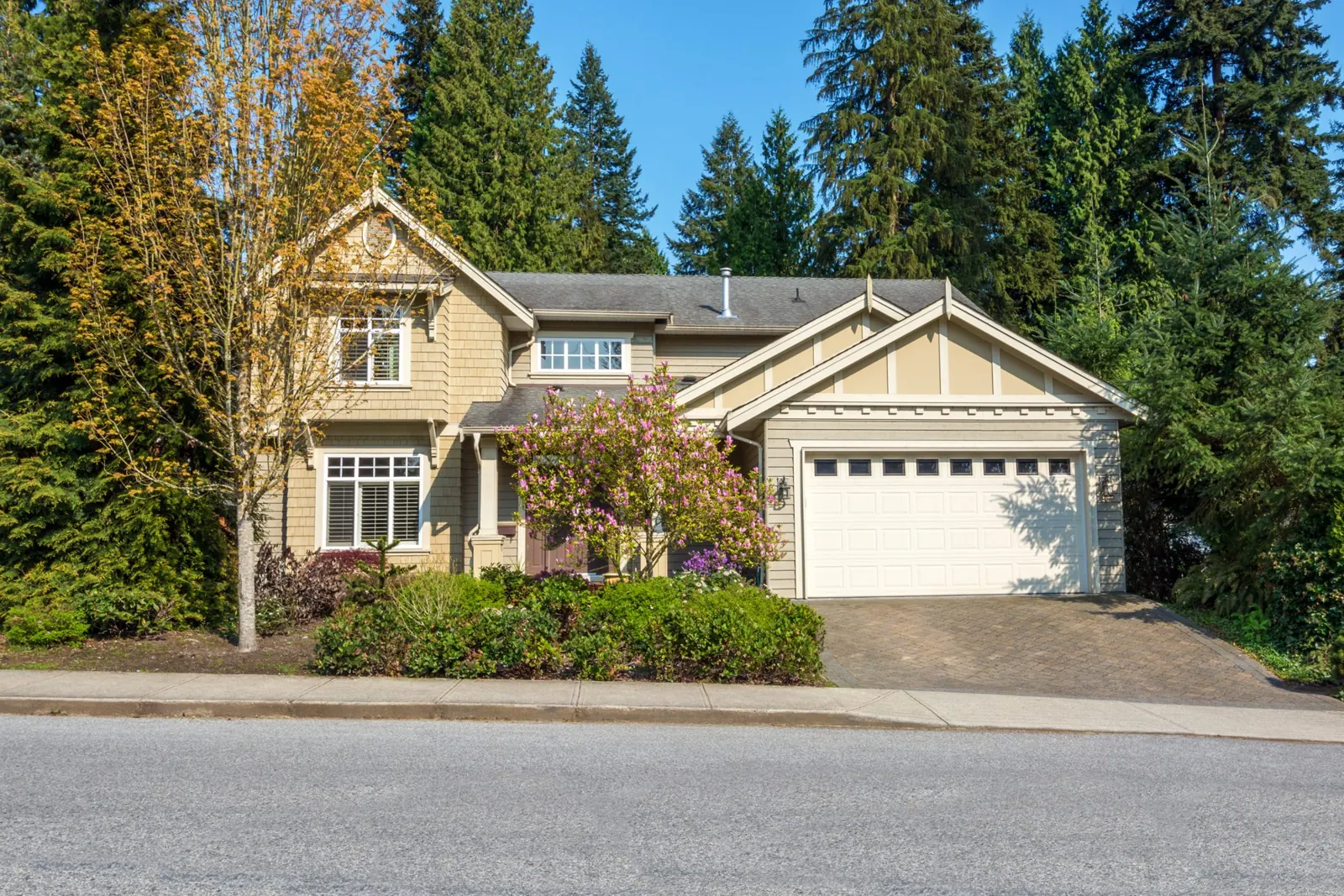
Finished white raised-panel garage door on a suburban home with landscaped yardAfter
IllustrativeFrom bare tracks and sections to a finished, balanced door that suits the home. Illustrative example using stock photography — not a documented Sussex Garage Door Service project.

What a careful installation involves

The door itself is only part of a garage door system. Just as important are the parts you rarely look at once it’s installed.

  • Track configuration — standard, low-headroom and high-lift tracks suit different ceiling heights. Choosing correctly keeps the door clear of lights, beams and storage racks.
  • Springs matched to the door — springs must be sized to the actual weight of the door, including any windows, insulation and decorative hardware. A properly balanced door is easier on the opener and safer to operate by hand.
  • Secure mounting — tracks, brackets and the spring anchor are fastened to solid framing. Where the jambs or header need reinforcement, we’ll point that out before work begins.
  • Seals on every side — a bottom seal that conforms to the floor, perimeter stops along the jambs and header, and tight section joints all keep out drafts, water and pests.
  • Opener integration — the opener is mounted, the rail aligned and the force and travel limits set so the door closes fully without excess pressure.

Installing in a Wisconsin climate

Installation choices that make little difference in a mild climate matter here. Bottom seals need to stay flexible at sub-zero temperatures so they continue sealing against uneven concrete. Hardware benefits from galvanized or coated finishes that resist the road salt tracked in all winter. Dark-colored doors on south- or west-facing garages can absorb a lot of heat in summer, which is worth weighing if you’re considering a deep color on a non-insulated door.

We also check the slab. Concrete floors in older garages often settle or heave, leaving gaps under even a brand-new door. Choosing the right bottom seal profile, and occasionally adding a threshold, solves that.

Installation day, from start to finish

On installation day, the old door (if there is one) is carefully de-tensioned before anything is removed — a step that should never be skipped. The opening is cleaned up and checked for square. The new sections are stacked and hinged, rollers set into the tracks, and the springs and cables installed and tensioned. Once the door is balanced, the opener is connected, and we test operation, reversal and manual release. Before we leave, we walk you through how the system works, how to use the manual release, and what simple upkeep keeps it running smoothly.

After the install

A new door still benefits from a little attention. Plan to look over the system each season, keep tracks clear of debris and test the safety reversal monthly. Annual maintenance and tune-ups keep springs, rollers and the opener in good shape and help the door last for many years.

Questions to ask before you buy

Before committing to a new door, it helps to ask a few questions of any installer: How will the springs be sized for this specific door? Will the tracks be replaced or reused, and why? What bottom seal will be used for my floor? How will the old door be removed and disposed of? What does the opener connection involve, and will it need adjusting or replacing? Clear answers to these questions tell you a lot about how the installation will go.

If you’re building a new home or garage, it helps to involve your door installer early. Opening sizes, headroom, framing for the spring anchor and an outlet location for the opener are all easier to get right before drywall goes up than after.

ii. The visit

What to expect, step by step

1

Consultation

We talk about how you use the garage, the look you want, insulation needs and budget.

2

Site measure

Width, height, headroom, side room and backroom are measured, along with the condition of the framing and jambs.

3

Door selection

You choose material, insulation, panel design, color and windows with a clear understanding of trade-offs.

4

Removal and prep

Any old door and hardware is safely de-tensioned and removed, and the opening is prepared.

5

Install and balance

Sections, tracks, springs and cables are installed, then the door is balanced and sealed.

6

Opener and final test

The opener is connected and adjusted, safety reversal is tested and you get a walkthrough.

iii. FAQ

Garage Door Installation questions

Straight answers to the things Sussex homeowners and business owners ask most about garage door installation.

Common residential sizes include 8 or 9 feet wide for single doors and 16 feet wide for double doors, typically 7 or 8 feet tall. Your exact size is determined by measuring the finished opening, and we also measure headroom and side room because those determine which track and spring setup will fit.

Steel is the most common choice because it balances durability, cost and low maintenance. Wood offers natural warmth but needs regular refinishing. Composite and wood-look steel give a wood appearance with less upkeep. Aluminum and glass doors suit modern homes but generally insulate less. We’ll walk through how each behaves in a Wisconsin climate.

If the garage is attached, heated, used as a workspace, or sits below a bedroom, insulation is usually worth it. It also tends to make doors quieter and more rigid. A detached garage used only for storage may not need it.

Sometimes. If the opener is in good condition and suits the new door’s weight and size, it can be reconnected and adjusted. Older openers without modern safety sensors, or units that are struggling, are usually best replaced at the same time.

A standard residential installation is usually completed in a single day once the door has arrived. Custom doors, structural changes to the opening or unusual headroom situations can add time, and we’ll tell you upfront if that applies.

Free estimates

Ready to talk about garage door installation?

Tell us what the door is doing — or not doing — and we’ll follow up to talk through options and set up a visit. Estimates are free.