Why springs break
Every spring has a finite cycle life. Each time the door opens and closes, the steel flexes, and eventually it fatigues and fractures. Several things speed that process up:
- High usage. A door used as the main entry to the home may cycle several times a day, every day.
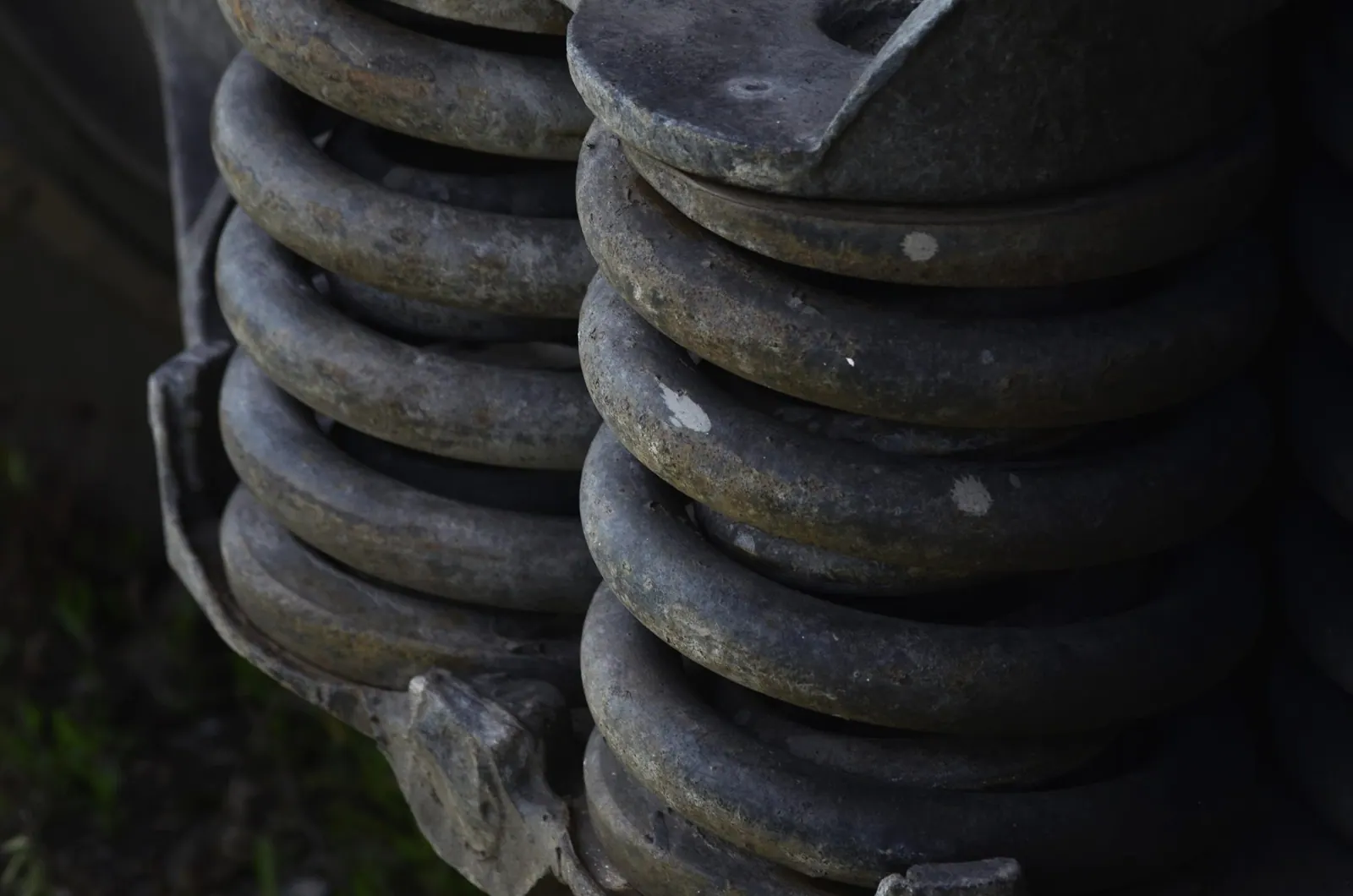
- Rust. Corrosion creates weak points and adds friction between coils. Road salt and humidity accelerate it.
- Cold temperatures. Spring steel becomes more brittle in extreme cold, which is why breaks often happen on frigid mornings.
- Incorrect sizing. Springs that are undersized for the door work harder and fail sooner.
- Poor balance. A door that’s out of balance puts uneven stress on one spring.
Sizing replacement springs correctly
There is no such thing as a universal garage door spring. A correct replacement depends on the door’s weight, height, drum size and track configuration, and on the spring’s wire size, inside diameter, length and wind direction. Getting any of these wrong leads to a door that won’t stay open, slams closed or strains the opener.
We measure the existing springs and the door, then confirm the result by testing balance after installation. A correctly balanced door should stay roughly in place when lifted halfway and released.
Standard vs. high-cycle springs
Standard springs suit most households. If your garage door is your primary entry and you open it many times a day, higher-cycle springs — typically using a longer spring or heavier wire — can extend the time between replacements. We’ll explain the trade-offs in cost and fit.
What we check while we’re there
A spring break puts sudden shock through the system, so we always inspect related parts:
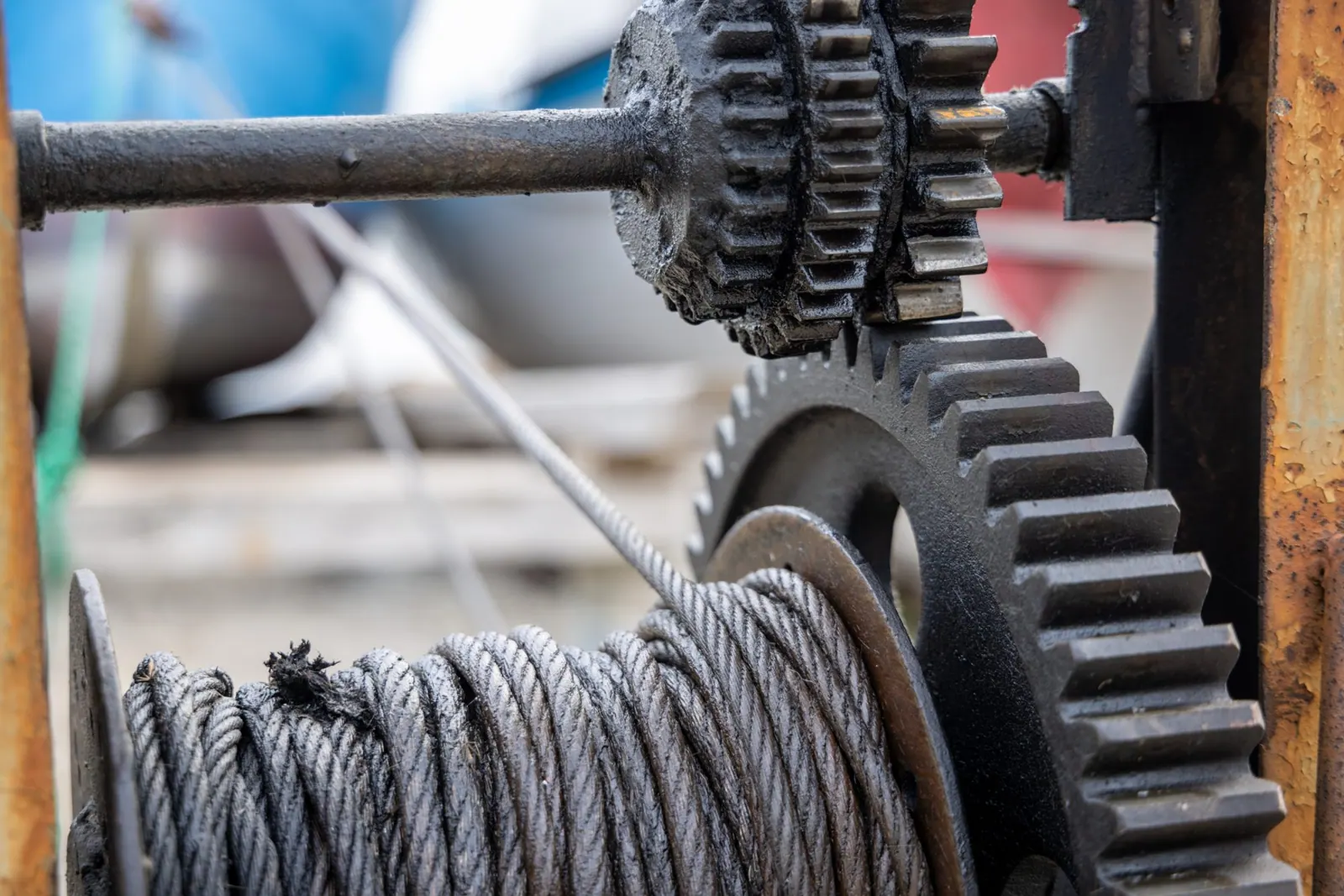
- Cables for fraying or kinks caused when tension released.
- Drums and bearings for damage, wobble or slipping set screws.
- Center and end bearing plates for cracks and secure mounting.
- Opener for gear damage if it tried to lift the unbalanced door.
If cables need replacement, see our cable repair page — they’re often best replaced along with the springs.
If your spring breaks
- Stop using the door and the opener. Unplug the opener if you can to prevent accidental use.
- Keep people and pets clear of the door and the area under it.
- Don’t try to lift the door manually or pull the emergency release while the door is open — it may fall.
- Call for service. If a vehicle is trapped, explain that when you call. See our emergency repair page for more.
Converting extension springs to torsion
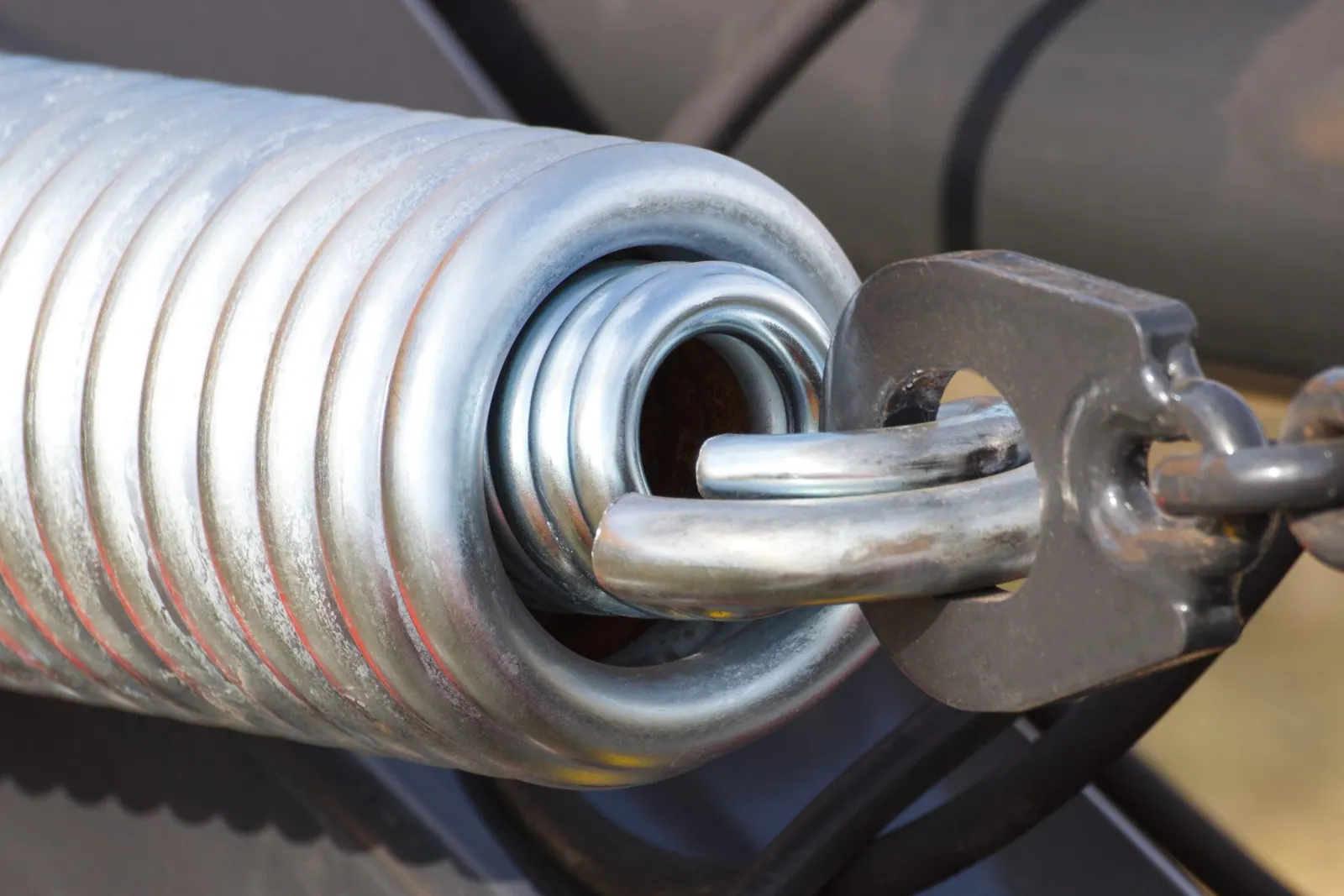
Some older doors with extension springs are good candidates for conversion to a torsion system. Torsion springs generally offer smoother operation, better balance throughout the door’s travel and a more contained failure if a spring breaks. Conversion involves installing a spring shaft, bearing plates, drums and new cables, so it makes the most sense when the door itself is in good shape and has plenty of life left. We’ll tell you honestly whether it’s worthwhile for your door.
What to expect after a spring replacement
After a new spring is installed and the door is balanced, you’ll often notice the door feels lighter and moves more smoothly than it did before the spring broke — because old springs gradually lose tension over their life. The opener may also run more quietly with less strain. Plan to keep an eye on the door over the following weeks, and let us know if anything about its movement changes. Regular lubrication of the new springs helps reduce friction between the coils and protects against rust.
If you’re unsure whether a spring is broken, look up at the shaft above the door from a safe distance. A continuous coil is normal; a clear gap or a coil that looks unwound and loose is not. Don’t climb a ladder to inspect it closely.

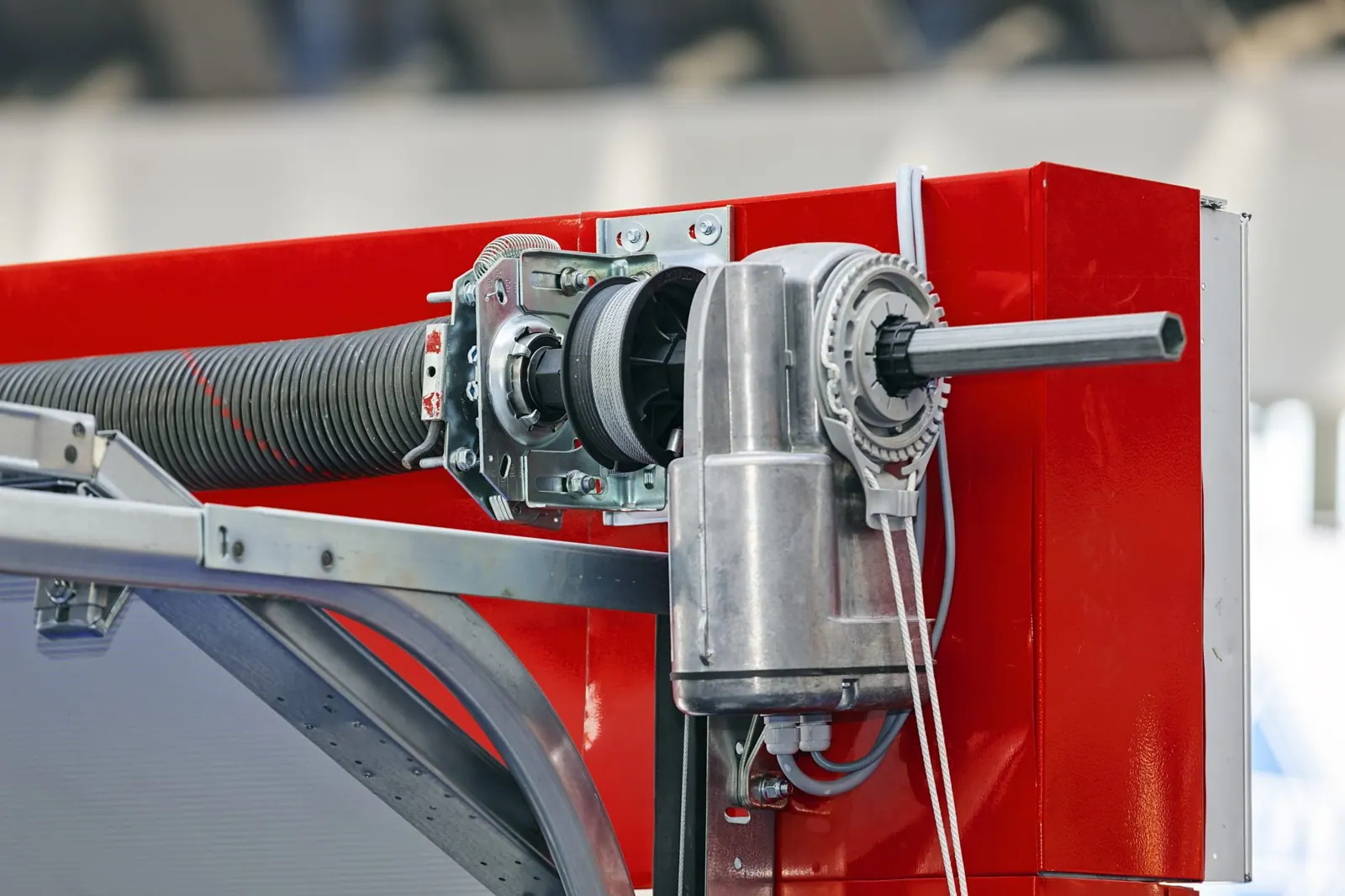
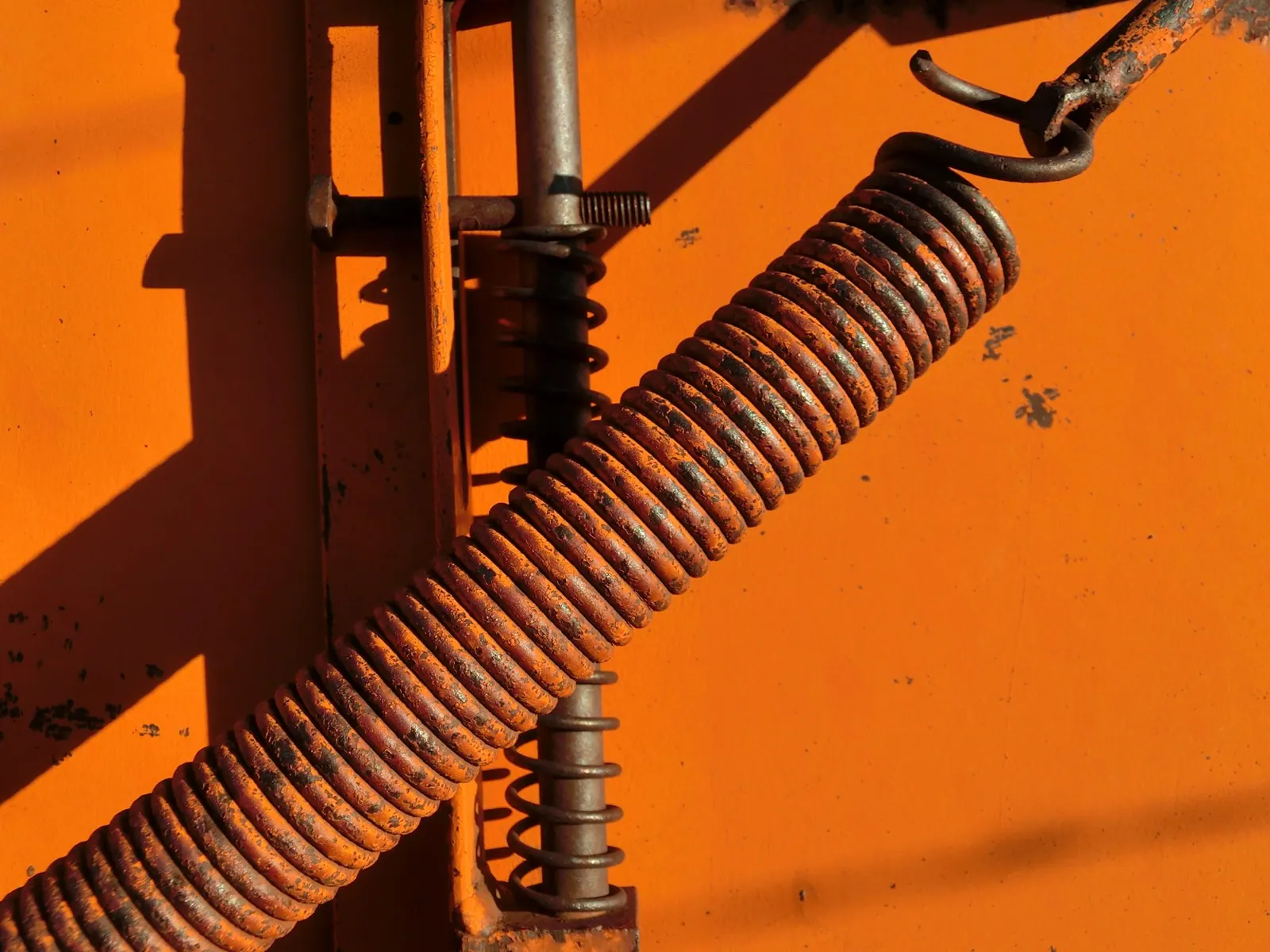 Corrosion weakens spring steel and shortens cycle life — a common sight after salty Wisconsin winters.