How we repair garage door cables
Cable work happens in close proximity to fully tensioned springs, which is why it isn’t a DIY project. Our process:
- Secure the door so it can’t move unexpectedly, typically clamping it in the tracks.
- Find the cause. We inspect the drums, set screws, bottom brackets, pulleys and tracks. A cable that failed because of a damaged drum or bent track will fail again unless that’s fixed.
- Relieve spring tension using proper winding bars, never screwdrivers or improvised tools.
- Replace both cables with the correct diameter and length for your door height and spring system.
- Wind and level. Each cable is wound evenly on its drum with equal tension so the door lifts square.
- Re-tension the springs and check balance.
- Test with and without the opener.
When a cable problem is really a different problem
A surprising number of cable failures are symptoms rather than causes. A few we see often:
- A broken spring lets cables go slack and unwind. See spring repair.
- An off-track door can pull a cable off its drum as it twists. See track and roller repair.
- A loose drum can slip on the shaft, leaving one side lower than the other.
- An obstruction — a bike, a storage bin, a snow pile — can stop one side of the door while the other keeps moving.
Bottom brackets deserve respect
The bottom brackets that anchor the cables are under full spring tension whenever the door is closed. Removing or loosening them without first releasing the springs is extremely dangerous. If you notice rust or damage on a bottom bracket, don’t try to tighten or replace it yourself — mention it when you request service.
Keeping cables healthy
- Look at both cables a few times a year, especially near the bottom brackets.
- Keep the floor area at the base of the door clear of standing water and salty slush where you can.
- Have the door balanced during annual maintenance; balanced doors put even load on both cables.
- If you notice any fraying, stop using the door until it’s inspected.
Cable sizes, lengths and why they’re not interchangeable
Garage door cables come in different diameters and lengths. Heavier doors need thicker cable, and the length depends on the door’s height and the type of track and drum. Using cable that’s too light risks premature failure; using the wrong length leaves too few wraps on the drum or too much slack when the door is open. Replacement cables are matched to the door, the drum and the spring system — not chosen from a one-size-fits-all kit.
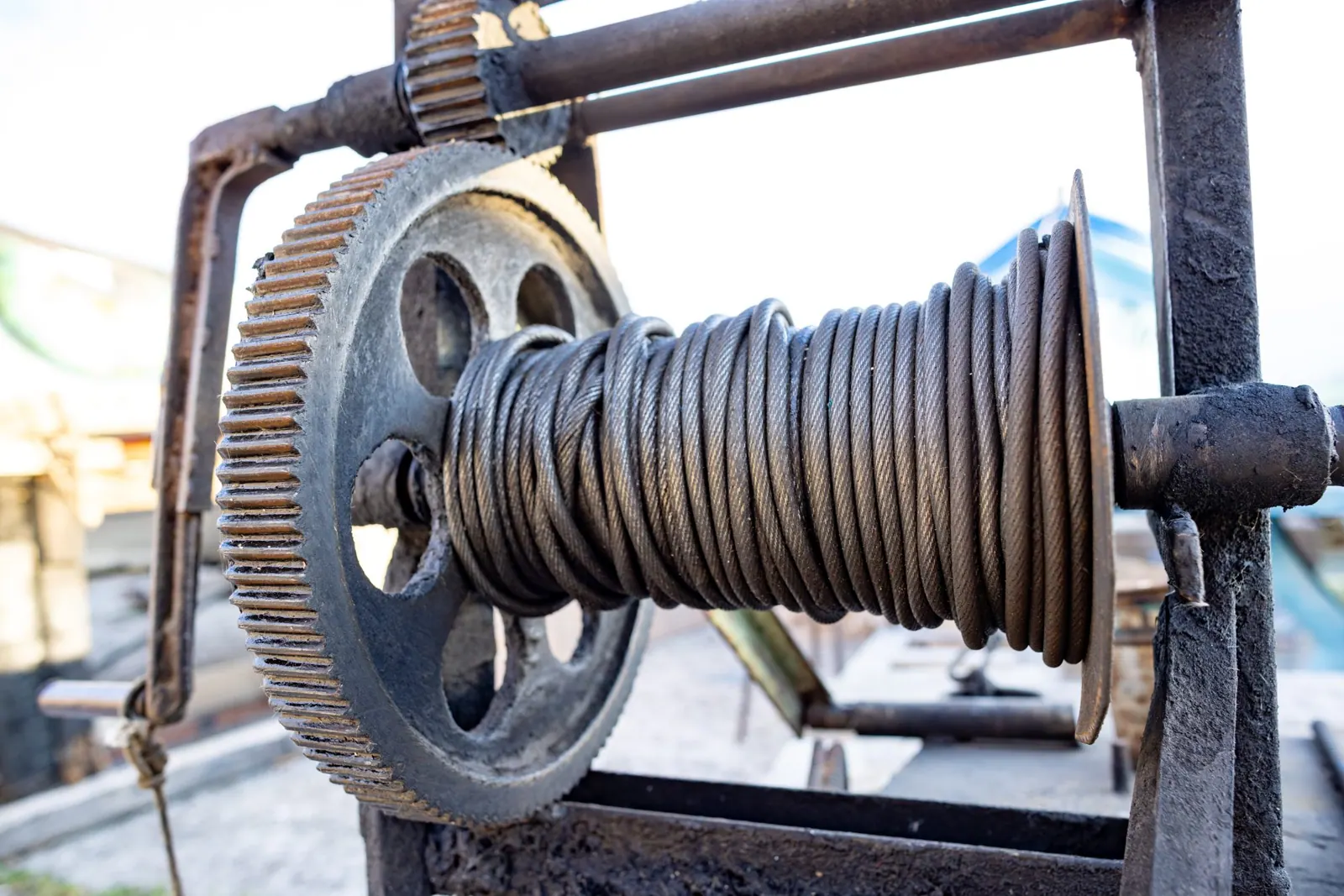
Drums matter too. Standard-lift, high-lift and vertical-lift doors use different drum profiles, and a cable wound onto the wrong drum, or wound unevenly, won’t lift the door consistently. During a cable repair we confirm the drums suit the door’s track configuration and that the set screws holding them to the shaft are secure.
Doors with extension springs
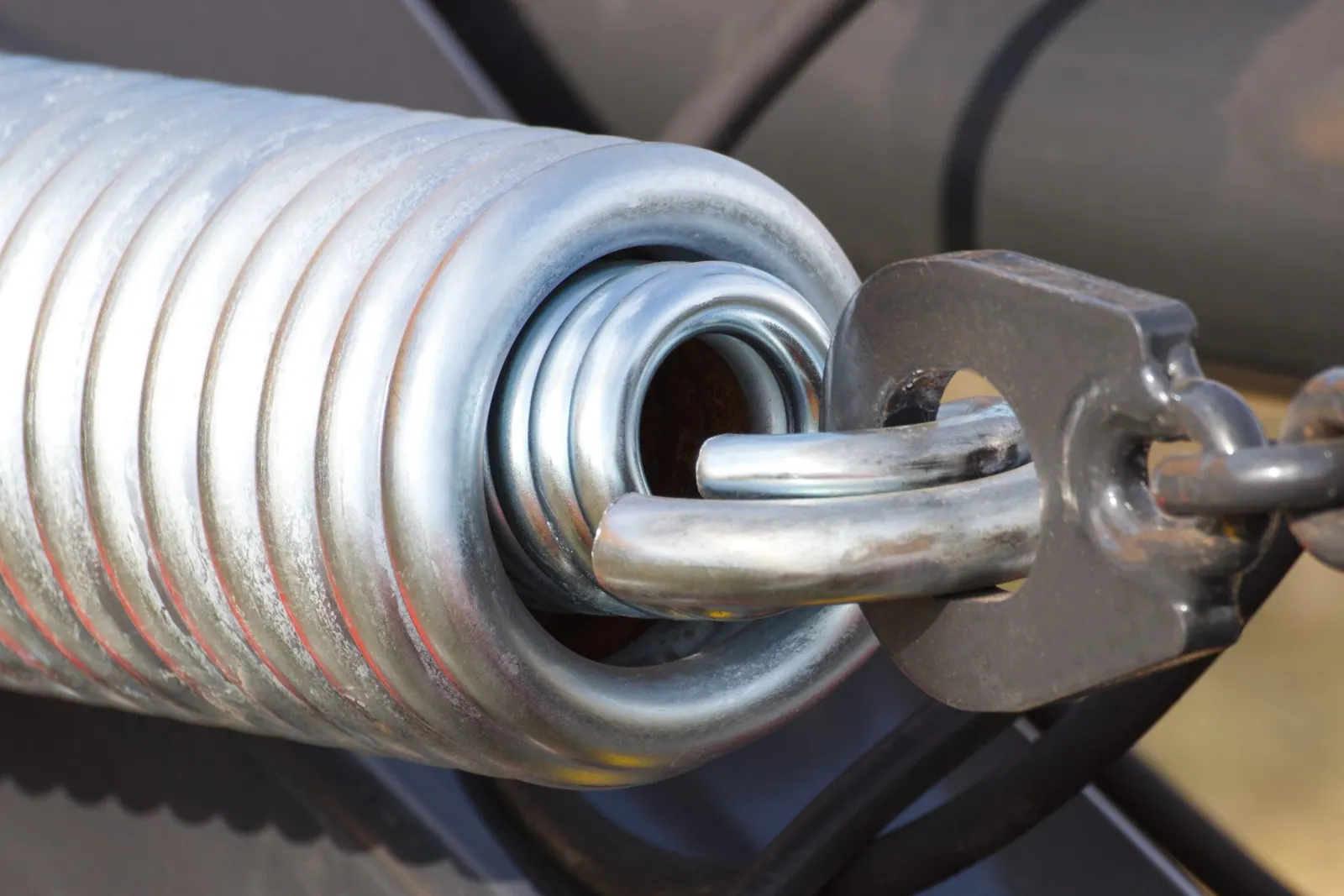
On extension-spring systems, cables run from the bottom bracket up to a pulley attached to the spring and back to an anchor on the track hanger. The pulleys themselves wear, and a worn pulley can fray a new cable quickly. When we replace cables on these doors, we inspect pulleys, check that safety containment cables are present inside each spring, and replace any worn pulleys at the same time so the new cables have a smooth path.
A crooked door is a warning sign
If you notice the bottom of your garage door is no longer level with the floor — even slightly — take it seriously. It often means one cable is carrying more load than the other, and that’s usually the beginning of a cable failure. Catching it early is safer and simpler than dealing with a door that has jammed or dropped.
Cables and cold weather
Steel cables don’t mind cold on their own, but winter conditions affect the parts around them. Ice can lock the bottom of the door to the floor, so when the opener starts, the springs and cables try to lift a door that isn’t moving. That can unwind a cable from its drum or strain it at the bracket. If the door is frozen down, free it gently before opening.

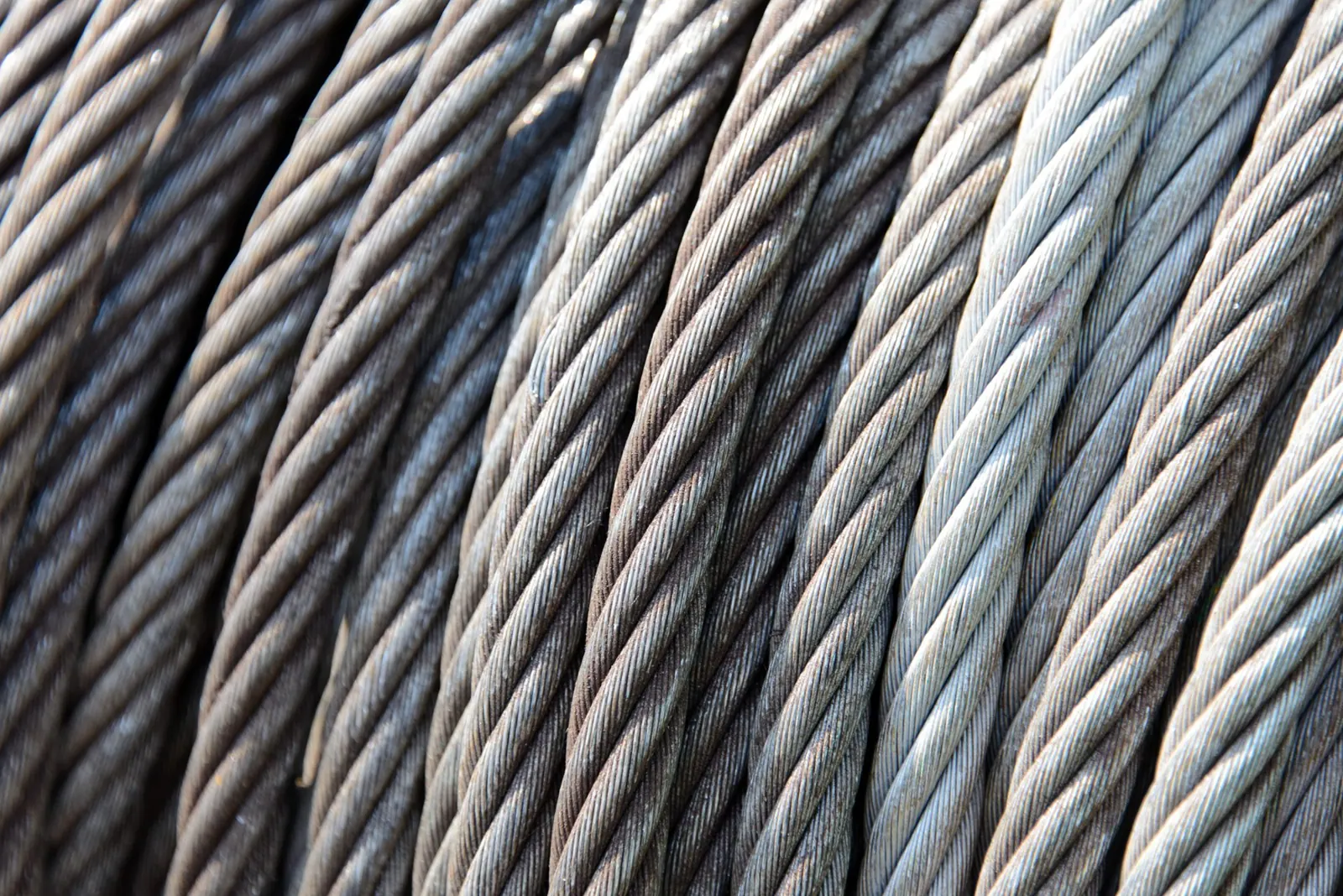
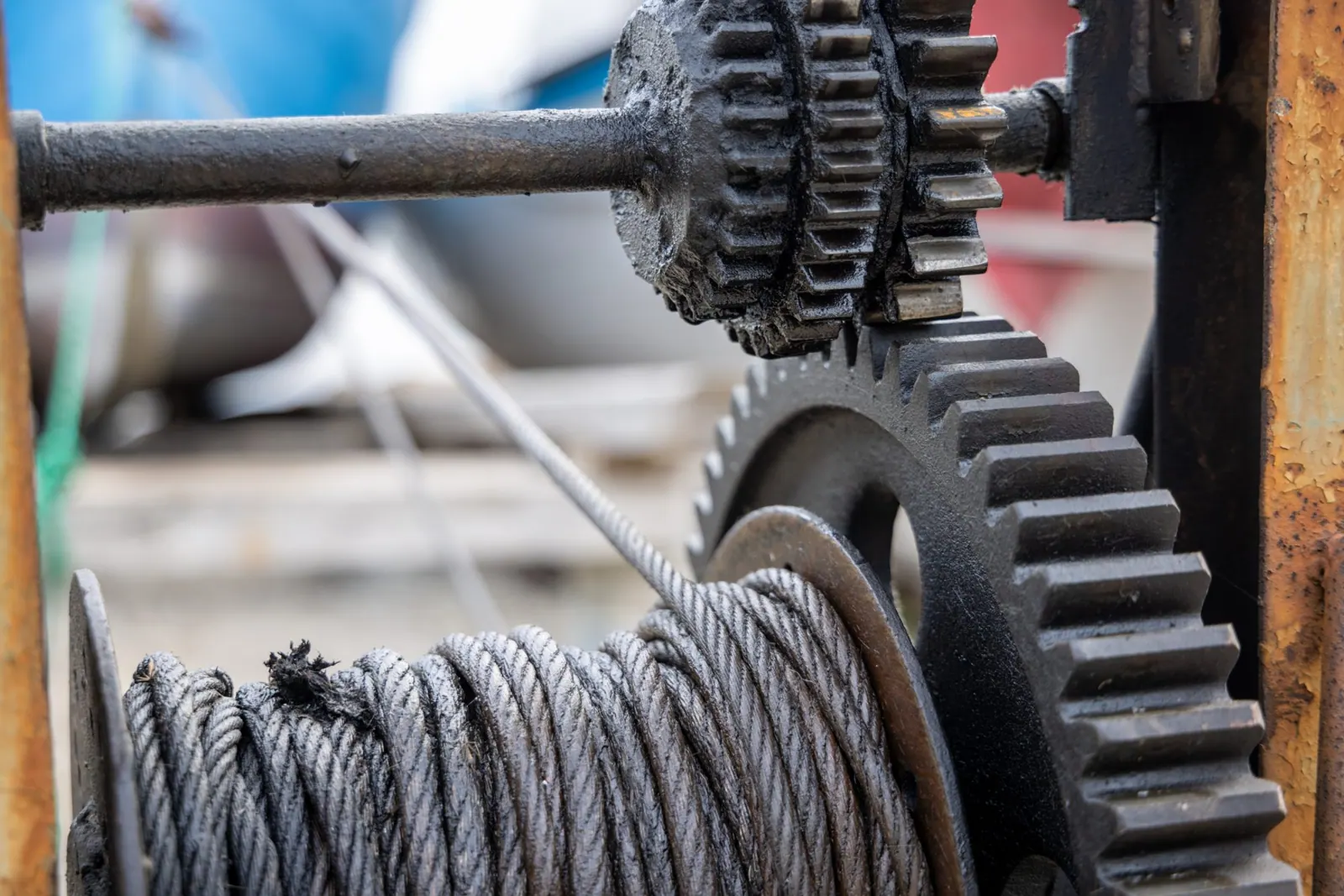 Cables must wind evenly in the drum grooves; uneven winding is a warning sign.