
Insulated Garage Doors · Sussex, WI

Insulated garage doors for real Wisconsin winters

When the wind chill drops below zero, the garage door is the largest uninsulated wall in many homes. An insulated door with tight seals makes the garage — and the rooms around it — noticeably more comfortable.

Snow-dusted chalet-style home with wood carriage garage doors in winter

Why insulation matters more here than in most places

Sussex sits in a part of Wisconsin where winter is not a short inconvenience; it is a season. Weeks of sub-freezing temperatures, wind off open fields and the occasional deep cold snap put every part of a home’s envelope to the test. Walls and attics usually get plenty of attention. Garage doors often don’t — even though a standard two-car door is a large opening that, in many homes, leads straight into the house.

An uninsulated single-layer steel door is essentially a sheet of metal between your garage and the outdoors. It conducts cold readily, and if its seals are worn, it lets outside air flow straight in. That cold air doesn’t stay in the garage. It chills the shared wall with the house, the floor of any room above, and the door into the kitchen or mudroom.

How insulated garage doors are built

Single-layer

A single steel skin, sometimes with a decorative pattern. Light and economical, but offers minimal insulation and tends to be noisy.

Two-layer

A steel skin with a layer of insulation on the back, often polystyrene with a vinyl or paper backing. A meaningful step up in comfort and stiffness at a moderate cost.

Three-layer

Insulation sandwiched between two steel skins. This construction is the stiffest, quietest and best-insulated of the common residential options, and it gives the garage a finished interior face. Polyurethane-filled three-layer doors are a popular choice for attached and heated garages.

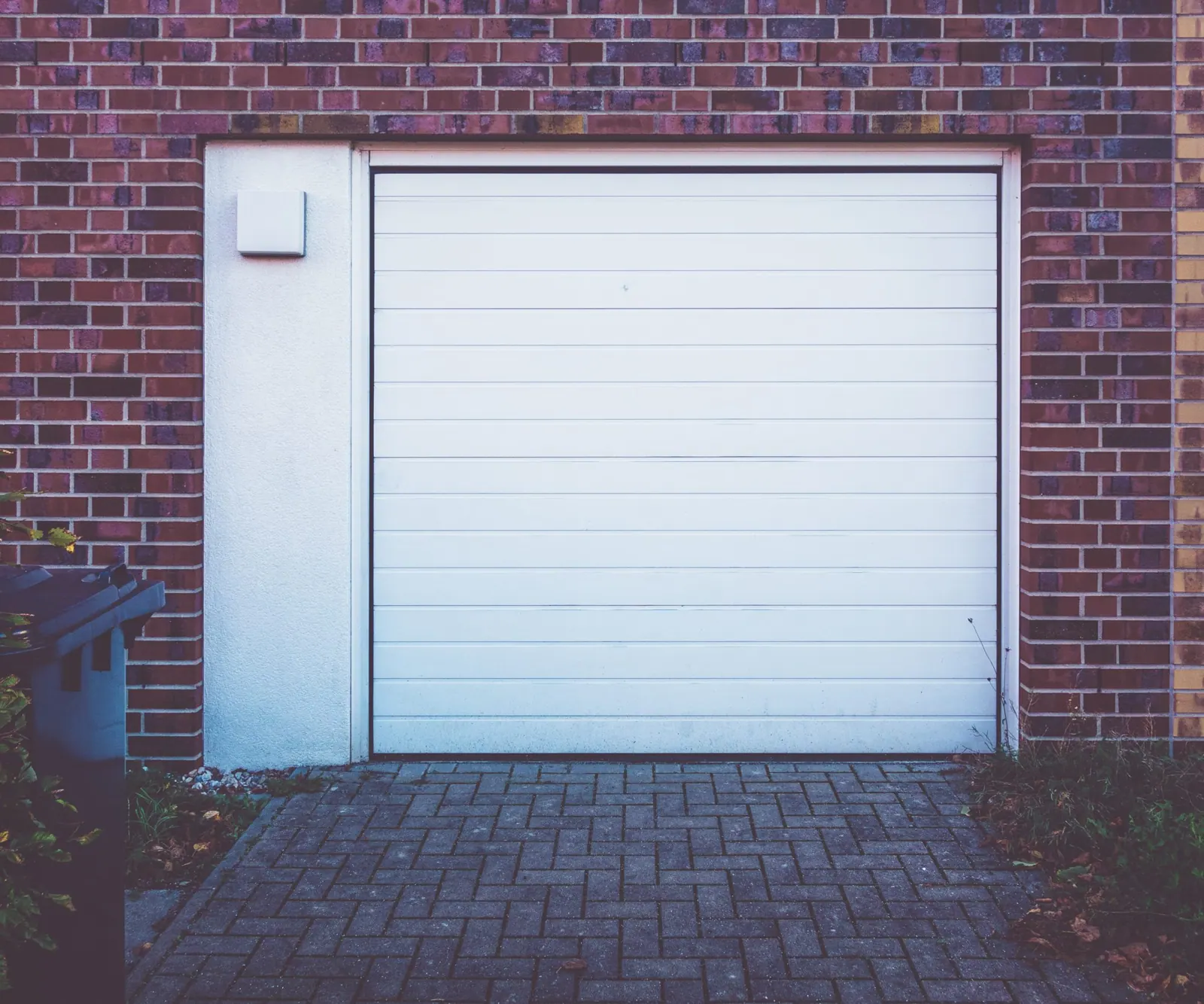
Modern flush insulated steel garage door Three-layer construction adds stiffness and quiet as well as insulation.

R-value, explained plainly

R-value measures resistance to heat flow — the higher the number, the better the insulation. When comparing doors, it helps to know that R-values can be calculated differently, so compare like with like. More importantly, remember that a door is only as good as its seals. A high-R-value door that leaves a half-inch gap along an uneven floor will still feel drafty. That’s why we treat insulation and sealing as one project.

i. What to watch for

Is your garage losing the battle with the cold?

These signs suggest your current door isn’t doing much to hold back winter.

01

The garage feels like outdoors

If the temperature inside the garage tracks the outdoor temperature closely, the door is letting most of the heat escape.

02

Cold floors in the room above

Bedrooms and bonus rooms over a garage often feel colder in winter when the garage below is poorly insulated.

03

Frost on the inside of the door

Frost or condensation on the interior face points to a thin, single-layer door with no thermal break.

04

Daylight around the edges

Gaps at the sides, top or bottom mean seals have failed — insulation alone can’t fix air leaks.

05

A loud, rattling door

Single-layer steel doors flex and drum when they move; insulated sections are stiffer and quieter.

06

You use the garage as a workspace

Workshops, home gyms and hobby spaces are far more pleasant — and cheaper to heat — with an insulated door.

Before & after

See the difference the right work makes

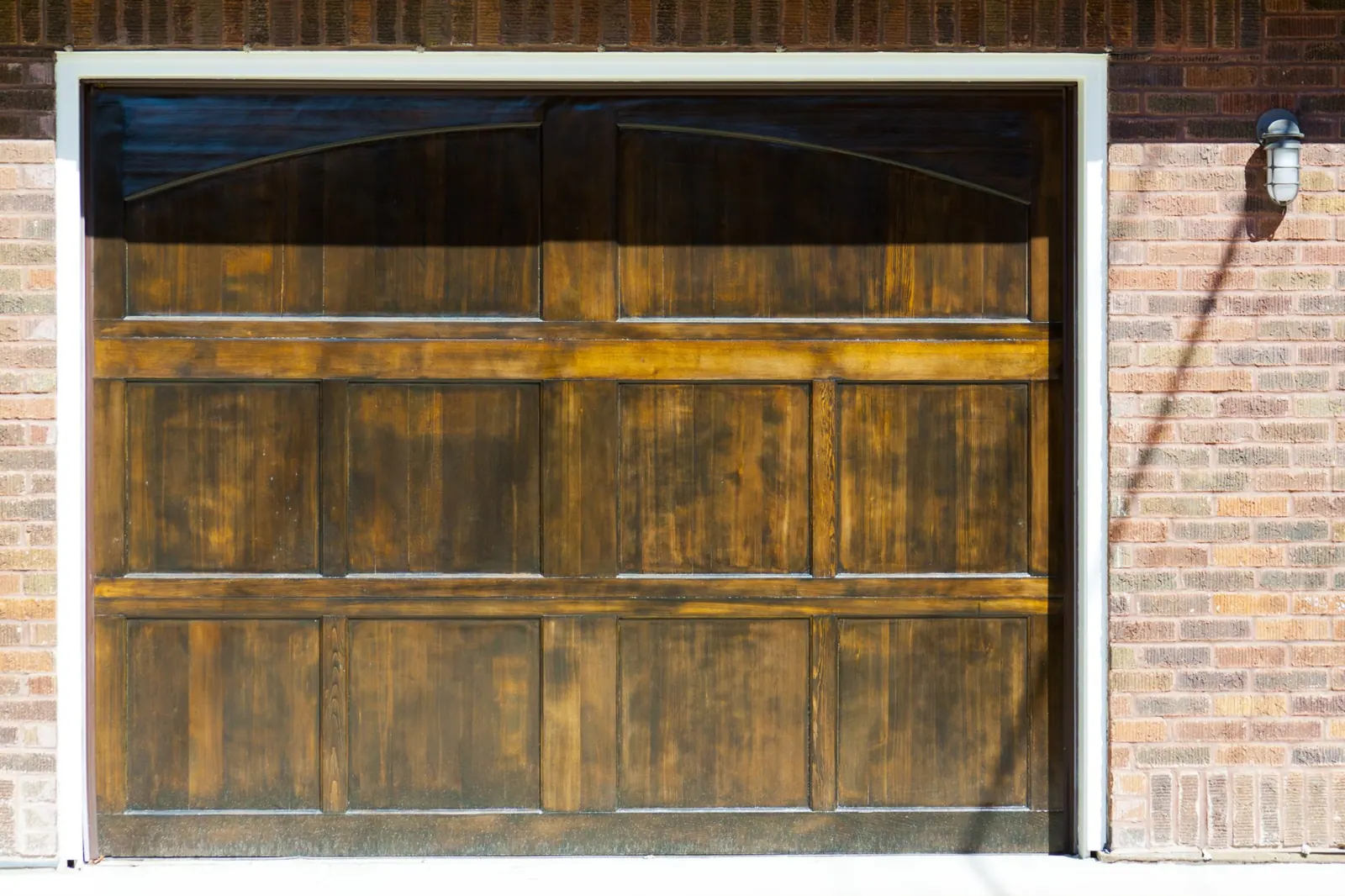
Weathered older wood garage door with visible gaps and worn finishBefore
Modern insulated flush steel garage door in a clean white facadeAfter
IllustrativeAn aging, drafty door compared with a modern insulated steel door with continuous seals. Illustrative example using stock photography — not a documented Sussex Garage Door Service project.

The seals that make insulation work

Every insulated door we install gets attention in four places:

  • The bottom seal. A flexible vinyl or rubber seal in a retainer along the bottom section conforms to the floor. Profiles vary; uneven or sloped floors may need a taller bulb seal.
  • Perimeter stops. Weatherstripping along the jambs and header presses against the door face when closed, blocking air at the sides and top.
  • Section joints. Well-designed insulated doors have tongue-and-groove or overlapping joints that resist air infiltration between sections.
  • Thresholds. Where a slab has heaved or settled, a threshold can help close the remaining gap.

See our weather seal replacement page if your door is in good shape but simply leaks air.

Living with an insulated door

Insulated doors weigh more than single-layer doors, sometimes considerably more. That means springs must be calculated for the new door — not carried over from the old one — and the opener must be suited to the weight. Done correctly, the door will still lift easily by hand and run smoothly. Done poorly, the opener strains and parts wear quickly.

In return, you get a garage that holds temperature better, a door that is quieter and more resistant to dents, and a smoother ride. Many homeowners are surprised by how much less noise reaches the house when the door opens early in the morning.

Who benefits most from an insulated door

  • Homes with attached garages, especially where the garage door opens toward prevailing winter winds.
  • Homes with living space above the garage.
  • Anyone who uses the garage as a workshop, gym or hobby space.
  • Homes where the garage is the main daily entry and the door is opened many times a day.
  • Owners of electric vehicles, since batteries tend to perform better in a less frigid garage.

Choosing the right level of insulation

If your garage is detached and used purely for storage, a two-layer door may be all you need. If it is attached, heated or connected to living space, a three-layer polyurethane door with good seals is usually worth the upgrade. We’ll talk through both options honestly and help you weigh comfort, cost and appearance — because insulated doors come in the same wide range of styles as any other, from traditional raised-panel to carriage-house and contemporary.

Insulated doors and the rest of the garage

An insulated door works best as part of a reasonably sealed garage. If the walls and ceiling are unfinished, or if there’s a large gap around a side entry door, the garage will still lose heat through those paths. That doesn’t mean an insulated door isn’t worthwhile — it reduces one of the largest single sources of heat loss — but it’s worth keeping expectations realistic and thinking about the garage as a whole if comfort is the main goal.

Condensation and moisture

When warm, humid air inside the garage meets the cold inner face of an uninsulated steel door, condensation forms. In winter, that moisture can freeze on the inside of the door, then drip and pool on the floor as it melts. An insulated door with an inner steel skin keeps the interior surface warmer, which reduces condensation. Good ventilation and keeping snow-covered vehicles from melting directly against the door also help.

Insulated doors and noise from outside

Comfort isn’t only about temperature. A well-sealed insulated door also reduces the amount of outdoor noise that reaches the garage and the rooms beside it — traffic, snowplows, lawn equipment and neighbors’ activity. For homes with a bedroom or office above or beside the garage, that quieter environment can be one of the most appreciated benefits of the upgrade.

ii. The visit

What to expect, step by step

1

Understand the space

Attached or detached, heated or not, and what sits above or beside the garage all shape the right choice.

2

Compare constructions

We explain two-layer and three-layer doors, insulation types and the trade-offs in cost and performance.

3

Plan the seals

Bottom seal profile, perimeter stops and section joints are chosen for your floor and opening.

4

Install and balance

Insulated doors are heavier, so springs are sized to the new weight and the door is carefully balanced.

5

Verify the seal

We check for light gaps around the closed door and adjust until it seals evenly.

iii. FAQ

Insulated Garage Doors questions

Straight answers to the things Sussex homeowners and business owners ask most about insulated garage doors.

There is no single correct number, but for attached or heated garages in a cold climate many homeowners choose a three-layer door with polyurethane insulation for its higher R-value. For detached storage garages, a lower R-value or two-layer door may be sufficient. R-values are best compared between doors measured the same way, and seals matter as much as the number.

Polystyrene comes as rigid panels fitted into the door sections. Polyurethane is foamed in place, filling the cavity and bonding to the steel skins, which generally produces a higher R-value per inch and a stiffer, quieter door.

It can reduce heat loss through the garage, especially if the garage is attached, heated or sits beneath living space. The size of any savings depends on how you heat the home, how well the rest of the garage is insulated and how airtight the door seals are.

Insulation kits exist for some doors, but they add weight, which upsets spring balance, and they don’t address air leaks around the door. Results are usually modest compared to a factory-insulated door with proper seals.

Generally yes. Insulated sections, especially three-layer polyurethane-filled sections, are more rigid and resist the drumming and rattling of a single steel skin.

Free estimates

Ready to talk about insulated garage doors?

Tell us what the door is doing — or not doing — and we’ll follow up to talk through options and set up a visit. Estimates are free.