Quick troubleshooting you can safely try
Some urgent-seeming problems have simple causes. These checks are safe to try:
- Door won’t close, light blinks: Look at the safety sensors near the floor. Clear anything in the beam, wipe the lenses and check that both indicator lights are steady.
- Remote doesn’t work: Try the wall button. If that works, replace the remote battery.
- Nothing responds: Check that the opener is plugged in and the outlet has power. Reset any tripped breaker or GFCI outlet.
- Wall control is locked: Many wall controls have a lock or vacation mode that disables remotes.
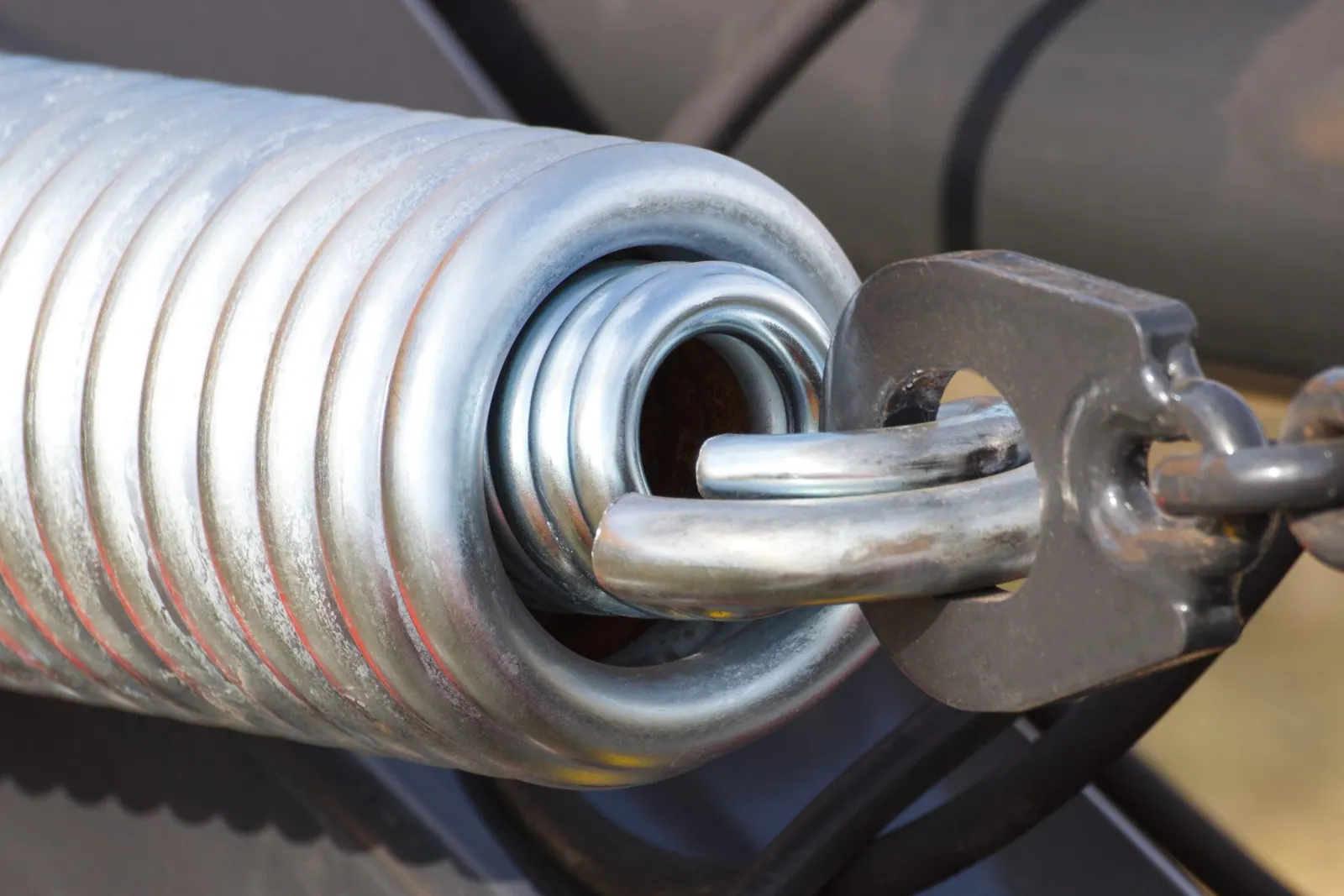
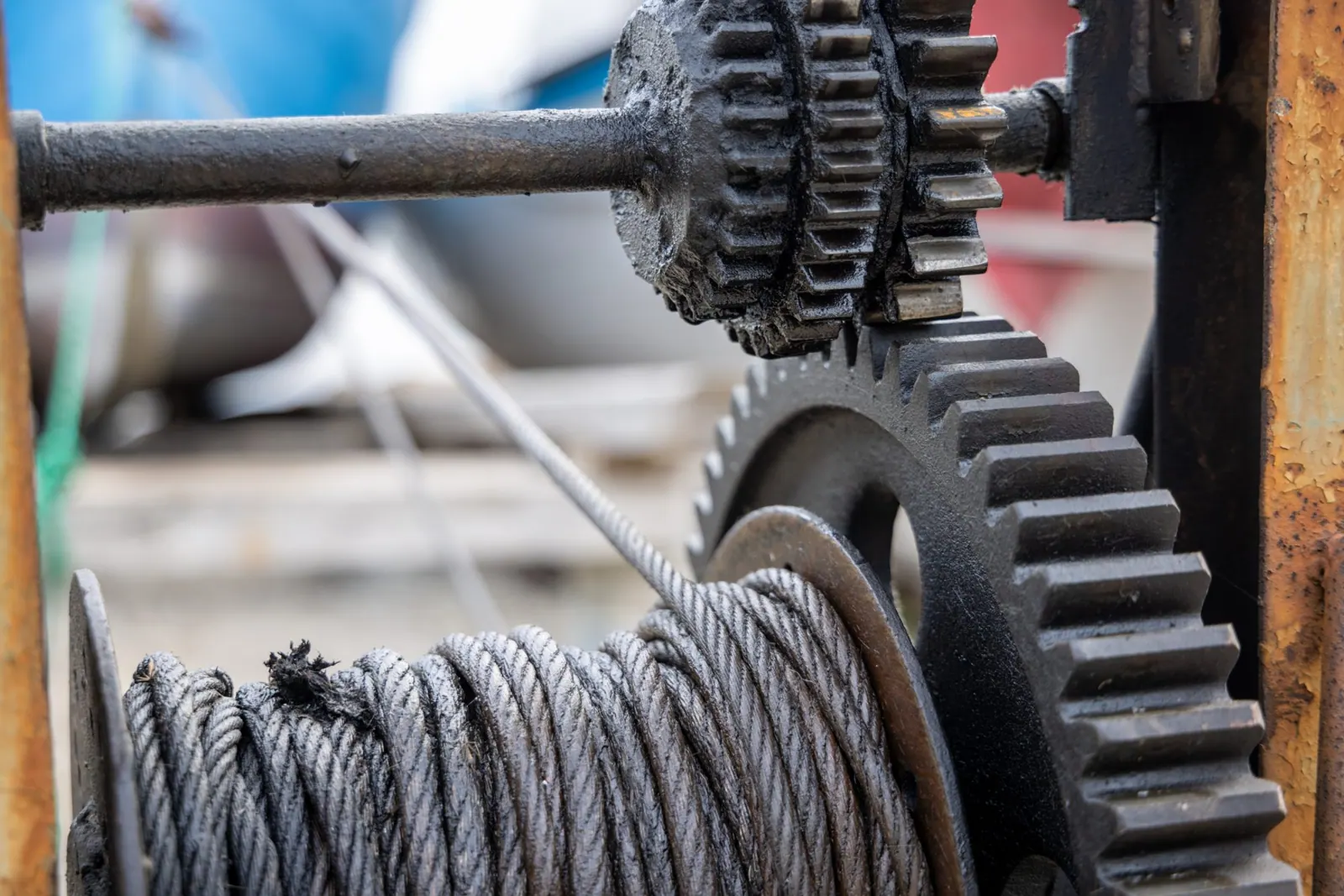
If these don’t solve it — or if you see a broken spring, frayed cable, bent track or crooked door — stop and call for help.
When a vehicle is trapped
If your car is stuck behind a door with a broken spring, it’s tempting to lift the door yourself. Please don’t. Without the springs, the door’s full weight is in play, and it can fall unexpectedly. Even with several people lifting, there’s a real risk of injury and of damaging the door. Let us know a vehicle is trapped when you contact us so we can plan around it.
Winter emergencies in Sussex
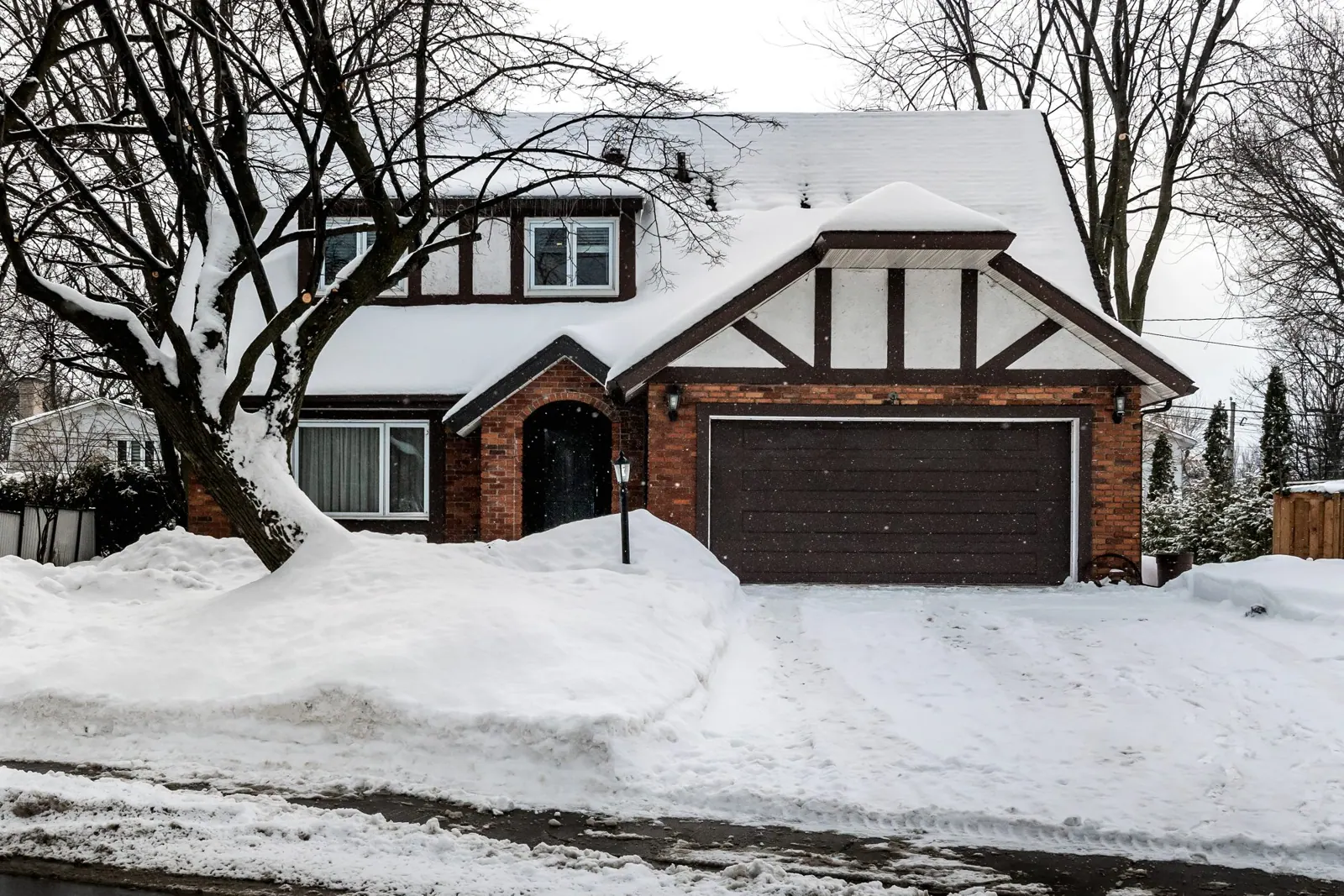
Garage door problems tend to cluster during cold snaps. Springs near the end of their life are more likely to break when temperatures plunge, bottom seals freeze to the slab, and openers strain against stiff hardware. If your door is frozen to the floor, don’t keep running the opener — gently free the seal first. Snow piled against the door can also stop it from closing fully, making it look broken when it’s simply blocked.
What happens when we arrive
Our first goal on an urgent call is to make the door safe and the garage secure. That may mean securing an off-track door, releasing dangerous tension or closing an open door. Then we diagnose what failed and why, check for related damage, and explain the options. Many urgent repairs — springs, cables, sensors — can be completed in a single visit. If a specific part needs to be ordered, we’ll make sure the door is secure in the meantime.
Please confirm availability
Emergency and after-hours availability should be confirmed with our office when you call. We’d rather give you an accurate answer than make a promise we can’t keep.
How to reduce the chance of an emergency
Most garage door emergencies are the final stage of a problem that has been developing for a while. A few habits make sudden failures less likely:
- Pay attention to new noises. Grinding, popping and banging are early warnings, not background noise.
- Watch how the door moves. Jerky travel, a crooked bottom edge or a door that drifts when stopped halfway all point to wear.
- Look at the springs and cables a few times a year. Rust, gaps and frayed strands are visible from the floor.
- Test the safety reversal monthly. A door that won’t reverse is an emergency waiting to happen.
- Schedule a pre-winter tune-up. Fall is the best time to catch a tired spring before the first deep freeze.
None of this guarantees a door will never fail, but it does mean you’re far more likely to plan a repair on your own schedule rather than deal with a stuck door at the worst possible moment. Our maintenance page covers what a full tune-up includes.
Temporary measures while you wait
If the door is stuck open and can’t be safely closed, focus on the rest of the house. Lock the interior door from the garage, move valuables out of sight, and keep vehicles locked. If the door is closed but won’t open, leave it closed — a closed door is the safest position for a broken door. Avoid propping, wedging or tying the door in any position, because shifting weight can make it move without warning.
When you describe the situation to us, mention anything unusual you noticed just before the failure, such as noises, slowing down or the door looking uneven. Those details often point straight to the cause and help us bring the right parts the first time.
 Cold snaps are when worn springs most often give out.