Sensors · Remotes · Keypads · Sussex, WI

Safety sensors, remotes and keypads that work every time

Most daily garage door frustrations come from the small parts — a sensor knocked out of alignment, a remote that lost its programming, a keypad that stopped responding. They’re usually quick to fix.

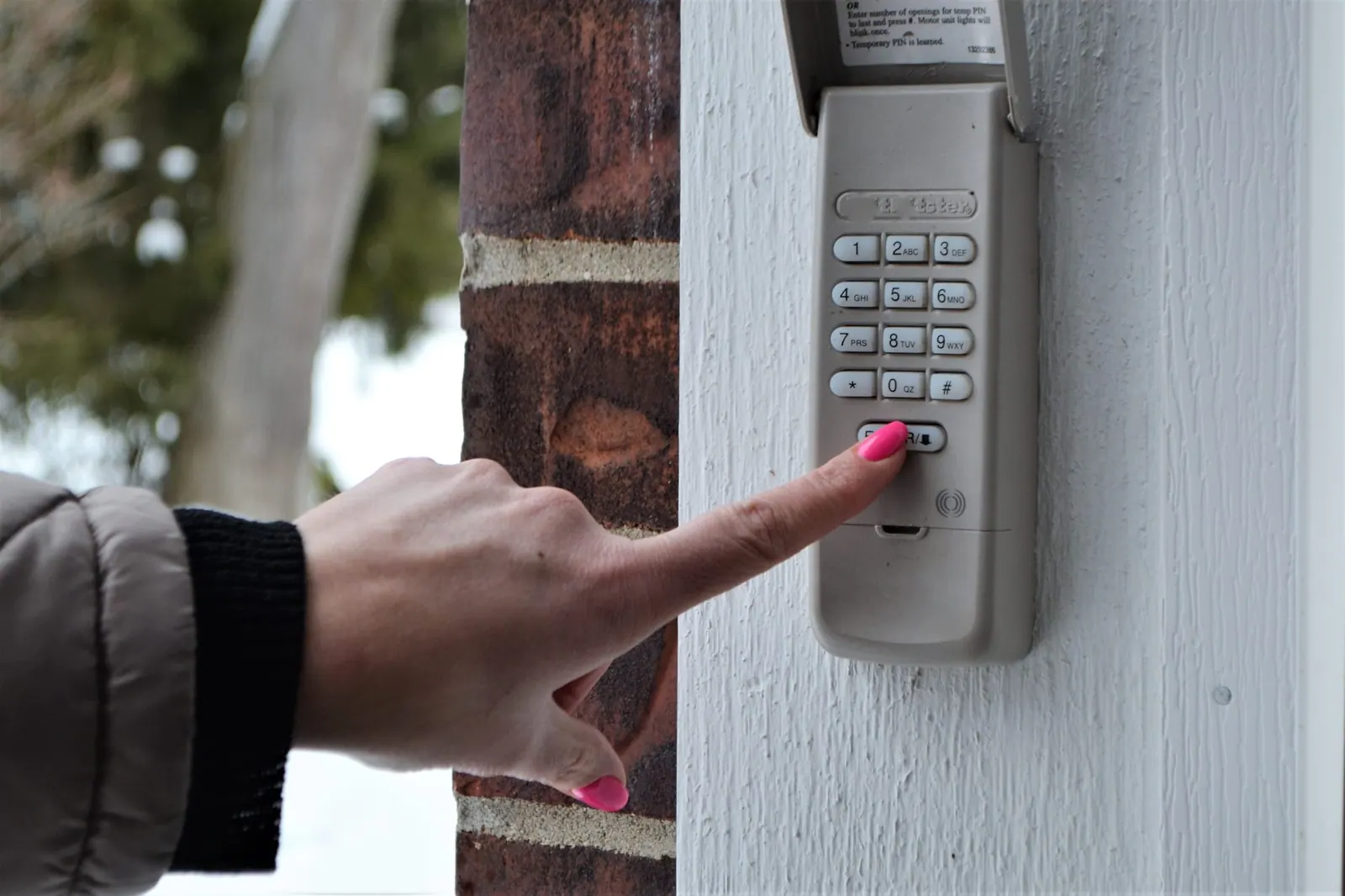
Person entering a code on an exterior garage door keypadOpeners & Accessories

The safety sensors on your garage door

Near the bottom of each side of your garage door opening sits a small sensor, usually a few inches above the floor. One sends an invisible infrared beam; the other receives it. If anything interrupts that beam while the door is closing, the opener stops and reverses. These photo-eye sensors are a crucial safety feature, designed to prevent the door from coming down on children, pets, bikes or a car that’s not fully inside.

Because they’re mounted low, near where people walk and park, sensors get bumped, kicked, covered in dust and sprayed with slush. Their wiring runs along the wall and is easily damaged by a staple, a shovel or a rodent. When sensors aren’t working properly, most openers refuse to close the door normally, or close it only while the wall button is held down.

Common sensor faults

  • Misalignment — a sensor bumped even slightly may no longer see the beam.
  • Dirty lenses — dust, cobwebs and road spray block the beam.
  • Loose or damaged wiring — a nicked wire or corroded connection causes intermittent faults.
  • Sun interference — low winter sun can shine directly into a receiving sensor.
  • Failed sensor — moisture or age can kill a sensor outright, requiring replacement.

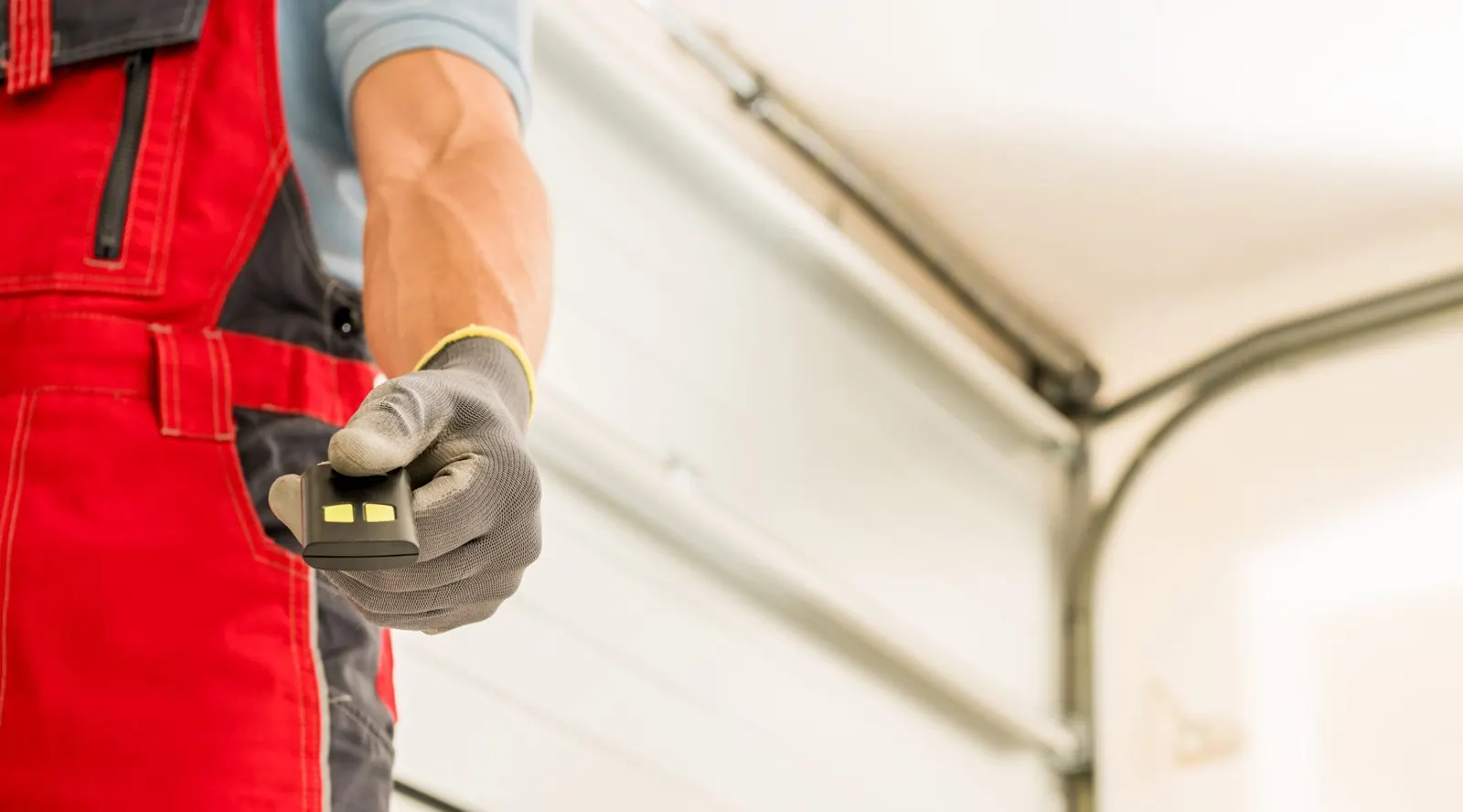
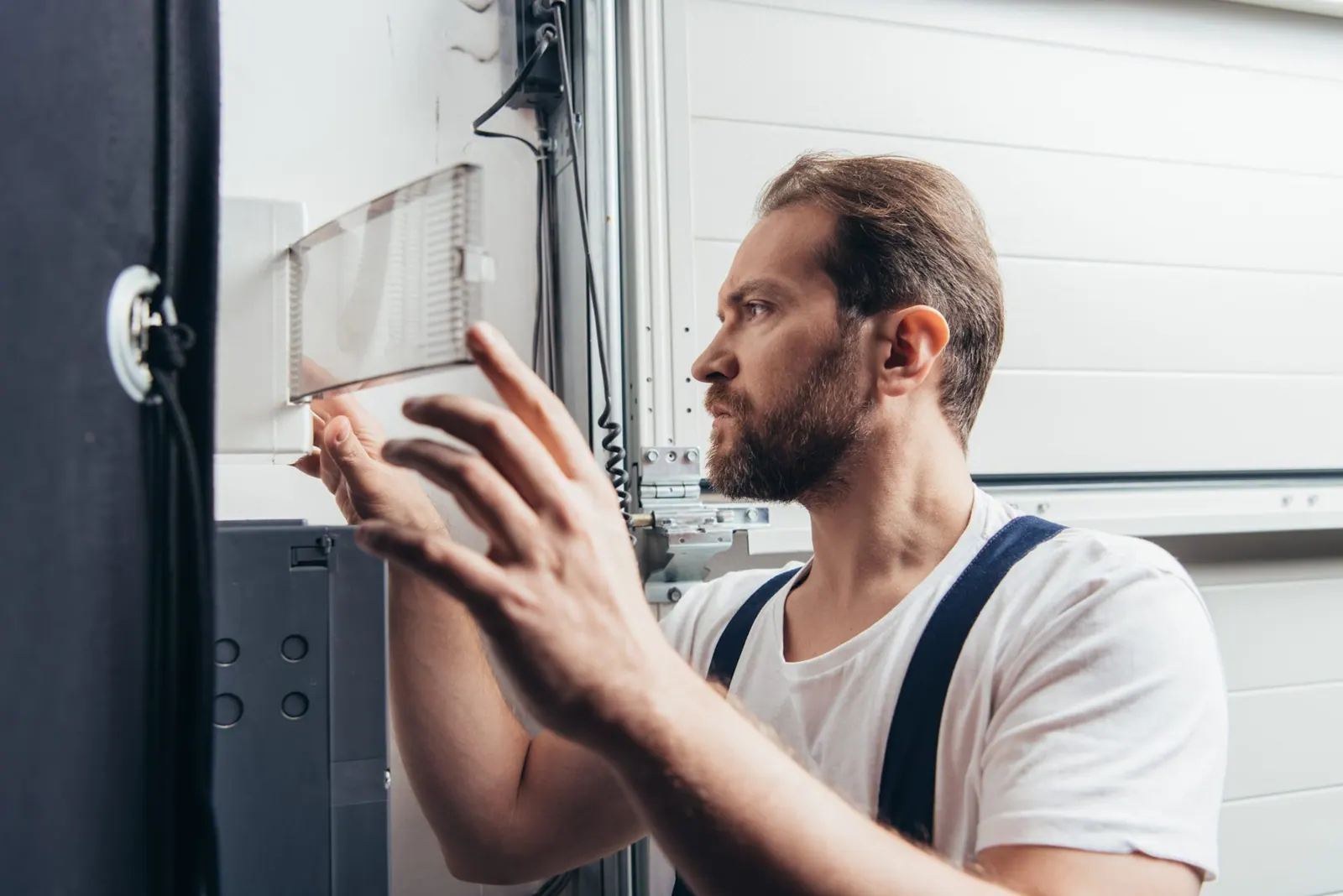
Garage door technician holding an opener remote Most control issues can be diagnosed in minutes with a systematic approach.

i. What to watch for

Small parts, familiar problems

If any of these sound familiar, the opener motor and door may be fine — the issue is in the controls or safety system.

01

Door reverses for no visible reason

A misaligned photo-eye, dirty lens, loose wire or direct sun shining into a sensor can all trigger false reversals.

02

Door only closes if you hold the button

Many openers allow a held wall button to override failed sensors — a sign the sensors need attention.

03

Blinking opener light

Many openers flash the light to signal a sensor fault. The pattern often points to the specific issue.

04

Remote works only up close

Weak batteries, a damaged antenna wire on the opener or interference from nearby electronics reduce range.

05

Keypad doesn’t respond

Dead batteries, a forgotten or reset code, moisture damage or lost pairing with the opener.

06

You moved in and don’t have remotes

Previous owners’ remotes and codes should be cleared, and new ones programmed for security.

Before & after

See the difference the right work makes

Drag the handle — or use your arrow keys — to compare.

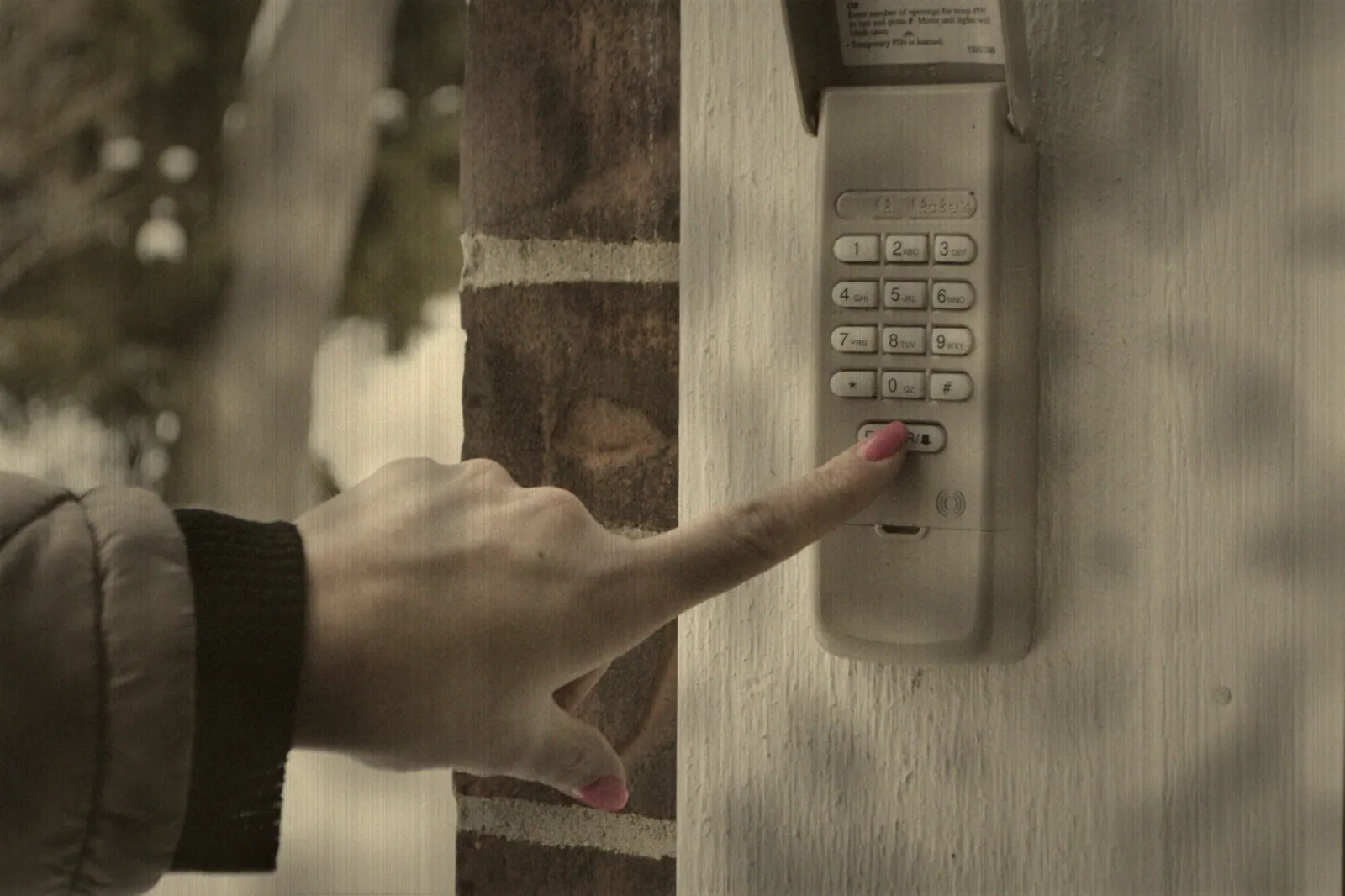
Grimy, faded exterior garage door keypad (simulated weathered condition)
Clean, working exterior garage door keypad being used
BeforeAfter
IllustrativeA weathered, unresponsive keypad versus a clean, freshly paired one. Illustrative concept: the “before” view is a digitally simulated condition of the same stock photo, not a customer project.

Remote controls

Garage door remotes communicate with the opener using radio signals, and modern openers use rolling-code technology that changes the code with each use for security. When remotes stop working, the cause is usually simple:

  • Battery. The most common culprit. Range drops before the remote stops entirely.
  • Lost programming. Power surges or a cleared memory can unpair remotes.
  • Lock mode. Many wall controls have a lock or vacation setting that disables remotes.
  • Antenna. The wire antenna hanging from the opener should be straight and undamaged.
  • Interference. Certain LED bulbs, chargers and other electronics in the garage can reduce range.

We can program new remotes, clear old ones for security (important after moving into a new home or losing a remote), and help set up car-integrated systems where compatible with your opener.

Keypads

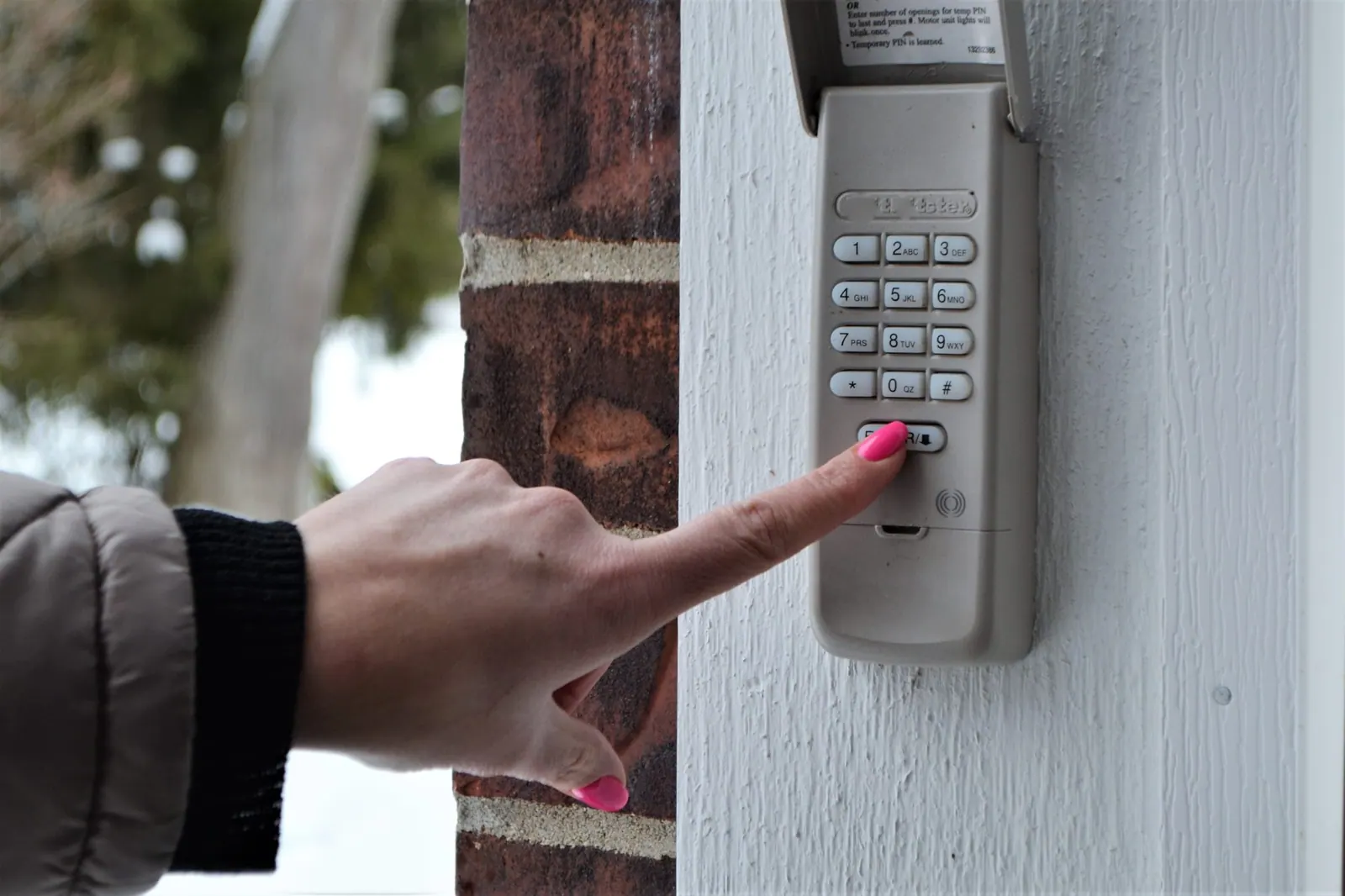
An exterior keypad lets family members, dog walkers or contractors open the garage without a remote or key. Keypads are battery-powered and paired to the opener like a remote. They live outdoors in all weather, so they eventually wear out, and their batteries tend to weaken in cold weather.

When installing or replacing a keypad, we mount it at a convenient height, out of the door’s path and within sight of the door, and pair it with your opener. We’ll also show you how to change the PIN and recommend changing it periodically.

Cold weather and controls

Wisconsin winters are hard on batteries and electronics. Remote and keypad batteries lose capacity in the cold, so a remote that works fine in October may get unreliable in January. Snow kicked up from tires can pack around sensors and block the beam. And condensation can form inside keypads during temperature swings. Fresh batteries before winter, clean sensor lenses and a well-sealed keypad go a long way.

Testing your safety system monthly

  1. Photo-eye test. Start closing the door and pass an object through the beam. The door should stop and reverse.
  2. Contact reversal test. Lay a piece of 2x4 flat on the floor in the door’s path. When the door touches it, it should reverse.
  3. Manual release check. With the door closed, pull the release and lift the door by hand to confirm it moves freely and stays balanced. Re-engage it afterward.

If any test fails, stop using the opener until it’s inspected. Our opener repair team can help.

When it’s time for a new opener

If your opener uses an older radio system that doesn’t support current remotes and keypads, or if its sensors are obsolete, upgrading may be the better path. A new opener brings rolling-code security, modern sensors, and options like smart control and battery backup. See opener installation for details.

Security tips for remotes and keypads

  • Don’t leave a remote clipped to the visor of a car parked outside; it’s an easy target in a break-in.
  • Choose a keypad PIN that isn’t your house number, birthday or a simple pattern, and change it occasionally.
  • Clear and reprogram all remotes and keypads when you move into a home or lose a remote.
  • Use the lock or vacation feature on your wall control when you’ll be away for an extended period.
  • If your opener supports smart alerts, turn on notifications for when the door opens or is left open.

Car-integrated and smartphone control

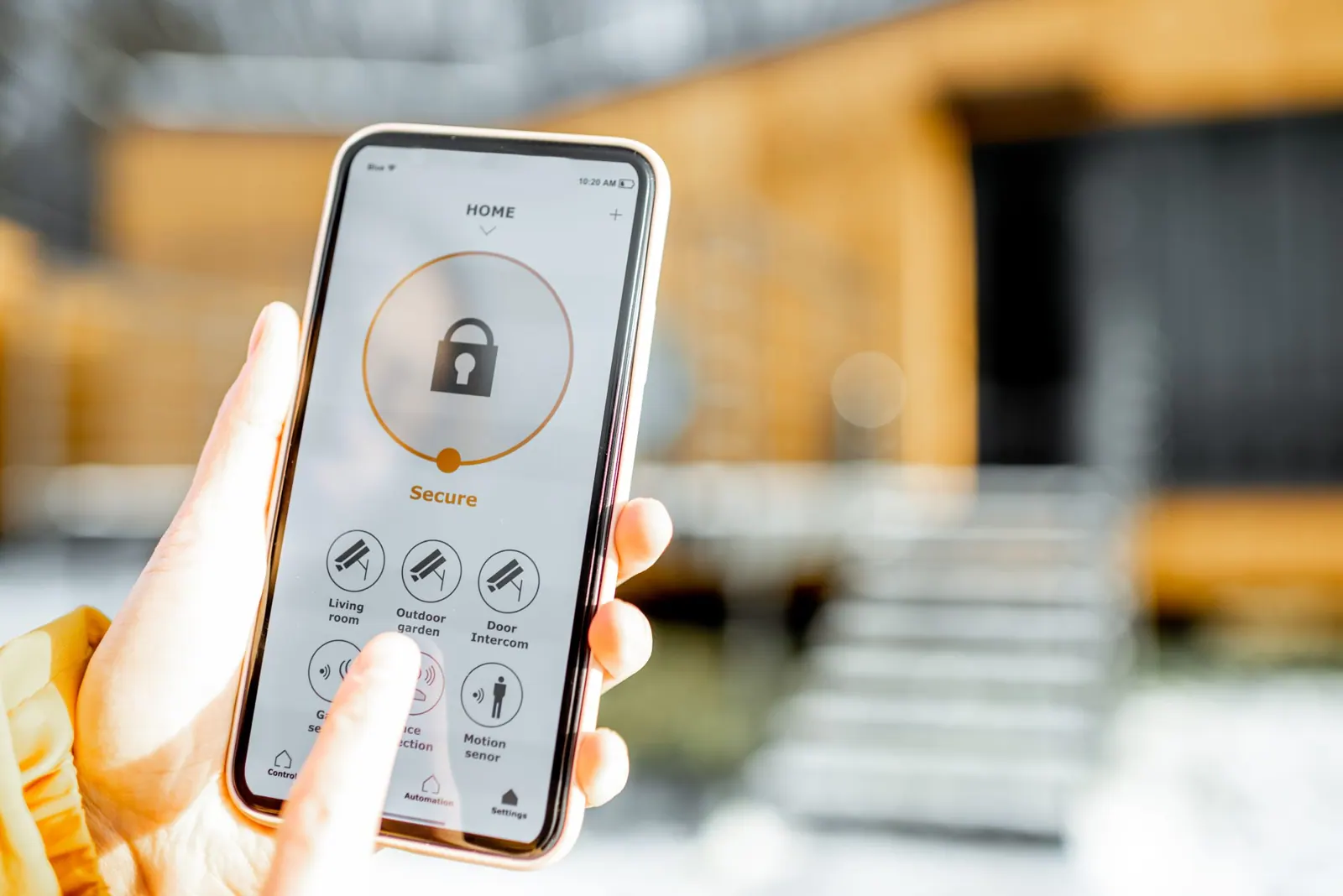
Many vehicles include built-in buttons that can be programmed to operate a garage door opener, and many newer openers support smartphone apps. Compatibility depends on the opener’s radio system and the vehicle or app. When you contact us, mention the opener brand and approximate age, and any car or smart-home system you’d like to use, and we’ll let you know what’s possible.

Replacing sensors

If a sensor has failed outright — no indicator light even with good wiring, or a lens that’s cracked or cloudy — replacement is usually straightforward. Sensors must be compatible with the opener, since many openers monitor their specific sensors and won’t operate with mismatched units. We mount replacement sensors securely at the correct height, route the wiring neatly out of harm’s way and confirm alignment before testing the door.

Wiring that lasts

Sensor and wall-control wiring is low voltage, but it still needs to be installed carefully. Wires that are stapled too tightly, run across the floor or left dangling near the tracks get damaged. Corroded connections at the opener terminals cause intermittent faults that come and go with humidity. During a service visit, we trace the wiring from each sensor and the wall control back to the opener, secure loose runs, repair damaged sections and make clean, tight connections so the system stays reliable season after season.

ii. The visit

What to expect, step by step

Every job is different, but the rhythm of a good service call shouldn’t be. Here’s how a sensors, remotes & keypads visit typically unfolds.

Start with a request

Diagnose the control path

We test the wall control, remotes, keypad and sensors to pinpoint where the fault is.

Clean and align sensors

Lenses are cleaned, brackets straightened and sensors aligned until indicators are steady.

Check wiring

Sensor and wall-control wiring is inspected for staples, breaks and corrosion and repaired.

Program devices

Remotes, keypads and car-integrated systems are paired, and old codes are cleared if wanted.

Test safety reversal

Photo-eye and contact reversal are verified with the opener in normal operation.

iii. FAQ

Sensors, Remotes & Keypads questions

Straight answers to the things Sussex homeowners and business owners ask most about sensors, remotes & keypads.

Most sensors have an indicator light on each unit. Loosen the wing nut or bracket, gently adjust the sensor until both lights are steady (check your manual for the specific pattern), and retighten. Make sure the lenses are clean and nothing blocks the beam. If they won’t stay aligned, the brackets or wiring may need repair.

Yes. On some installations, low-angle sunlight shining directly into the receiving sensor at certain times of day can interfere with the beam. Repositioning or shading the sensor usually solves it.

Most openers have a learn button that, when held for a period of time, clears all programmed remotes and keypads. The exact procedure depends on the model. After clearing, reprogram the remotes you want to keep.

Often, if the opener uses a compatible radio system. Some older openers use technology that newer keypads don’t support; in that case, an add-on receiver or opener replacement may be needed.

No. Photo-eye sensors are a key safety feature designed to prevent the door from closing on people, pets or objects. If sensors are causing problems, they should be repaired, not bypassed.

Free estimates

Ready to talk about sensors, remotes & keypads?

Tell us what the door is doing — or not doing — and we’ll follow up to talk through options and set up a visit. Estimates are free.